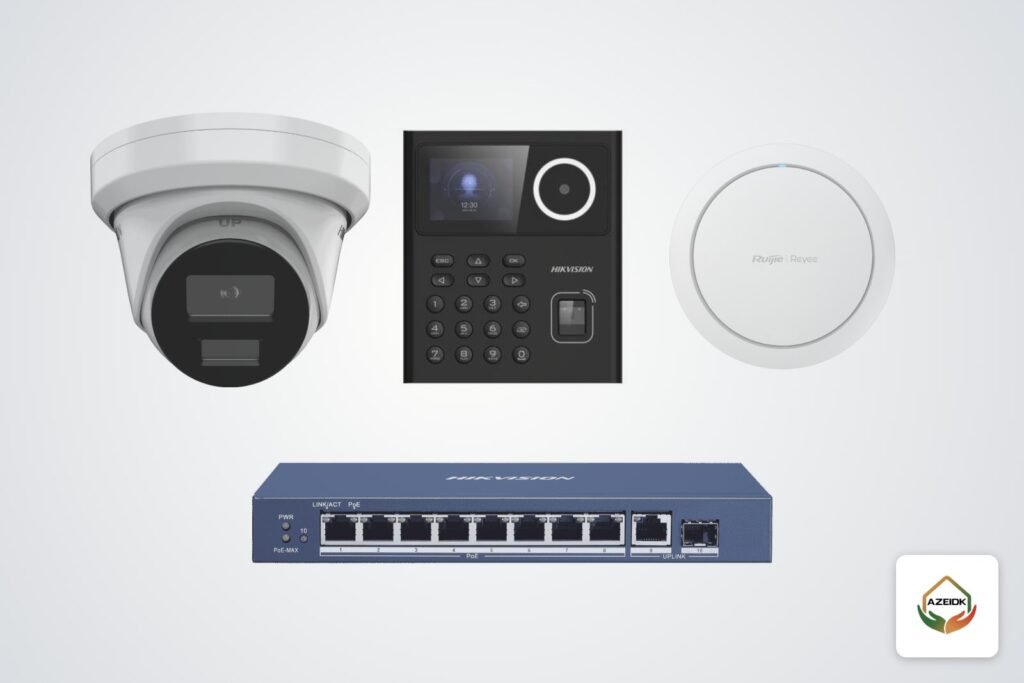
On new buildings, owners and contractors often ask for the low current systems cost as one figure for the building, but it is a set of systems, each priced on different factors: CCTV, access control, networks and Wi-Fi, intercom, public address and the telephone system, plus the fire alarm system they connect to. This guide explains what drives the total cost, how the BOQ is built and how to compare contractor offers, with links to the cost guide for each system.
Key points
- The cost is a sum of systems, each with its own points, devices and cabling.
- Shared infrastructure (conduits, trays, telecom rooms and risers) is a large item many people overlook.
- Timing matters: cabling during construction costs less than changes after finishing.
- Integration between systems needs programming and coordination and should be its own line item.
- Compare offers on the same list of systems, the same point counts and the same brands or equivalents.
Which systems make up the cost?
| System | What sets its cost | Cost guide |
|---|---|---|
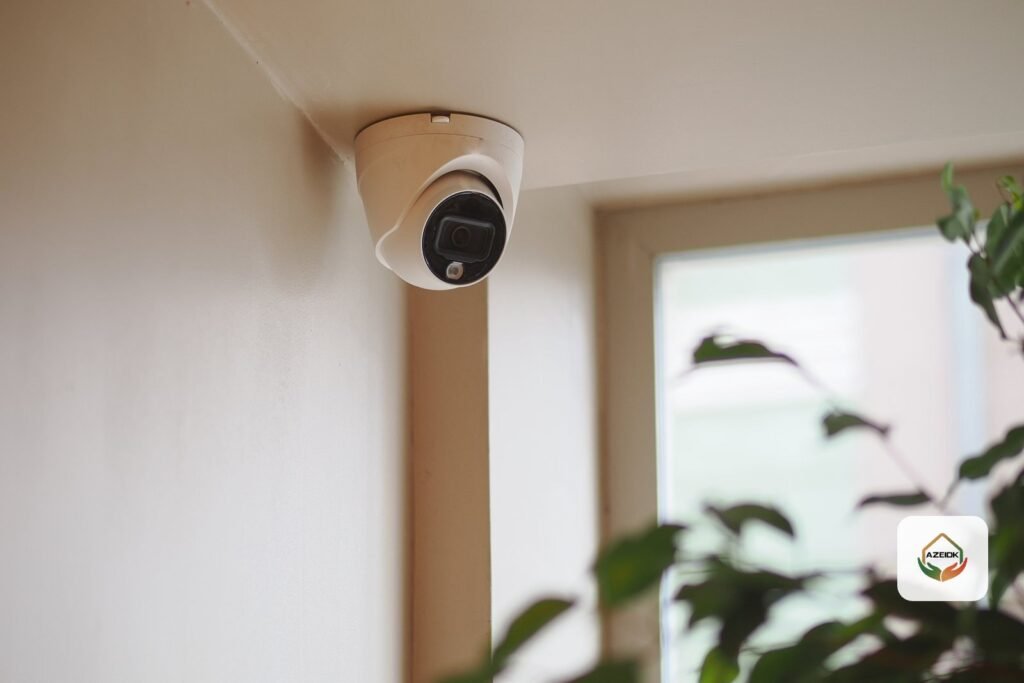
| CCTV | Camera count, resolution and types, recording period and control room | CCTV cost |
| Access control | Number of doors, reader and lock type, software | Access control cost |
| Network and structured cabling | Point count, cable category, risers, racks and testing | Network cabling cost |
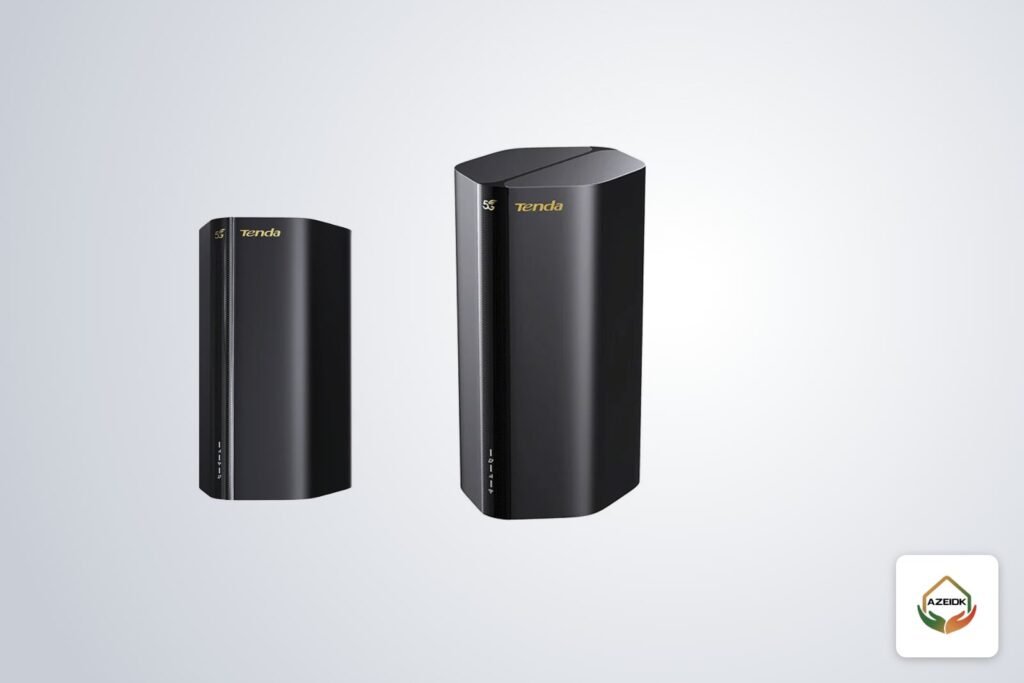
| Wi-Fi | Access point count and generation, switches and licences | Wi-Fi network cost |
| Intercom | Number of flats and monitors, system type | Intercom cost |
| Public address | Speakers, zones, amplifier and fire alarm link | PA system price |
| Telephone system | Lines, handsets and licences | IP PBX price |
| Fire alarm | Conventional or addressable, point count, cabling and programming | Fire alarm system price |
Shared factors that set the total cost
- Building type and use: an office tower, residential compound, school or warehouse each has a different point density.
- Infrastructure: conduits, cable trays, main and floor telecom rooms and risers between floors. See MDF and IDF telecom rooms in new buildings.
- Brand tier: brands approved in the project specification or consultant list set the price band.
- Integration: linking access control to the fire alarm to release doors, linking PA to the fire alarm, and connecting systems to the building management system. See low current integration in smart buildings.
- Phasing: first-fix cabling during construction, then devices after finishing; a late start means breaking and redoing work.
- Documentation and handover: shop drawings, as-built drawings, tests and training.
How the BOQ is built
The BOQ works best when split by system, then by item: devices, cabling, infrastructure, installation, programming and testing, with a separate section for shared work such as racks, telecom rooms and UPS units. This lets you compare each system on its own, and drop or defer a system without repricing everything.
How to compare low current quotations
- Make sure all offers cover the same list of systems and the same point count in each.
- Check infrastructure: are conduits, trays and risers included or left to the main contractor?
- Compare brands and classes, and ask for equivalence if the contractor proposes an alternative.
- Ask about integration, programming and joint testing with the fire alarm system.
- Ask about warranty, support period and the maintenance contract after handover.
For existing buildings, work usually starts with an assessment of what is installed; see existing low current systems assessment.
How AZEIDK helps
AZEIDK delivers low current systems from design and shop drawings and coordination to installation, programming and integration and low current maintenance contracts. For a general introduction see the low current systems guide.
Frequently asked questions
How much do low current systems cost for a residential building?
There is no fixed figure. Cost depends on the systems required, points per system, infrastructure, brands and integration. Send the drawings and the list of systems to receive a detailed quotation per system.
When should I request a low current quotation on a project?
Before slab casting and finishing, so conduits and boxes go in the right place. A late start raises costs through breaking and refinishing.
Should I use one contractor or several?
One contractor for connected systems simplifies coordination and integration and makes responsibility clear, but ask for each system to be priced separately so you can compare clearly.
What documents should I send?
Architectural and electrical drawings if available, the list of required systems, approved brands, the city and the planned start date. See what to send with a quote request.
Summary
The cost of low current systems for a new building is a sum of systems, infrastructure and integration. Fix the systems and point counts early, ask for a BOQ split by system, then send your drawings through the AZEIDK quote request form.
Related guides
- ISO 45001 Certification: Occupational Health and Safety Guide
- Alarm Verification on Fire Alarm Panels: When to Enable It and Its Limits
- Auto Spare Parts Shop Requirements in Saudi Arabia: Aisles, Shelves, Extinguishers and Cameras
- Deluge Sprinkler System: How the Deluge Valve, Detection and Open Nozzles Work