Assessing existing low current systems saves an owner or tenant from wrong decisions: keep the current cameras or replace them, reuse the old network cabling or not, and do the doors really release on fire alarm? When a building is leased, bought or renovated, its systems usually come from several contractors over different years, with no clear file. This article sets out what to check first and what decides whether an item is kept, upgraded or replaced.
AZEIDK provides assessment of existing systems and scope definition, then delivers low current systems work to the agreed scope.
Key points
- Start with documents and passwords: without them, every change becomes a reset and reprogramming job.
- Infrastructure (cabling, trays, cabinets) outlives devices and can often be reused after testing.
- Devices whose firmware is no longer supported are the first to replace, for security reasons.
- Door release on fire alarm is tested, not assumed.
- The result is a report with three lists: keep, repair, replace, each item with a priority.
When you need an assessment first
- Before leasing or buying a building, to know the fit-out cost before signing.
- Before renovating a floor or changing its use, as new walls and ceilings move cameras, readers and data points.
- When taking over maintenance from a previous contractor who did not hand over settings.
- When faults repeat without a clear cause, such as specific cameras dropping or a slow network.
Fire systems have a similar process, covered in existing building fire systems assessment. Doing both together helps, because door release and PA link the two.
What is checked in each system
| System | Checks | Signs that call for replacement |
|---|---|---|
| CCTV and recording | Working cameras, actual retention days, disk health, night image, remote viewing | Low-resolution analog cameras, a recorder that takes no updates, disks with repeated errors |
| Network | Cable type and length, test results for a sample of points, switches and PoE budget, cabinet order | Damaged or undocumented cabling, unsupported switches, unventilated cabinets |
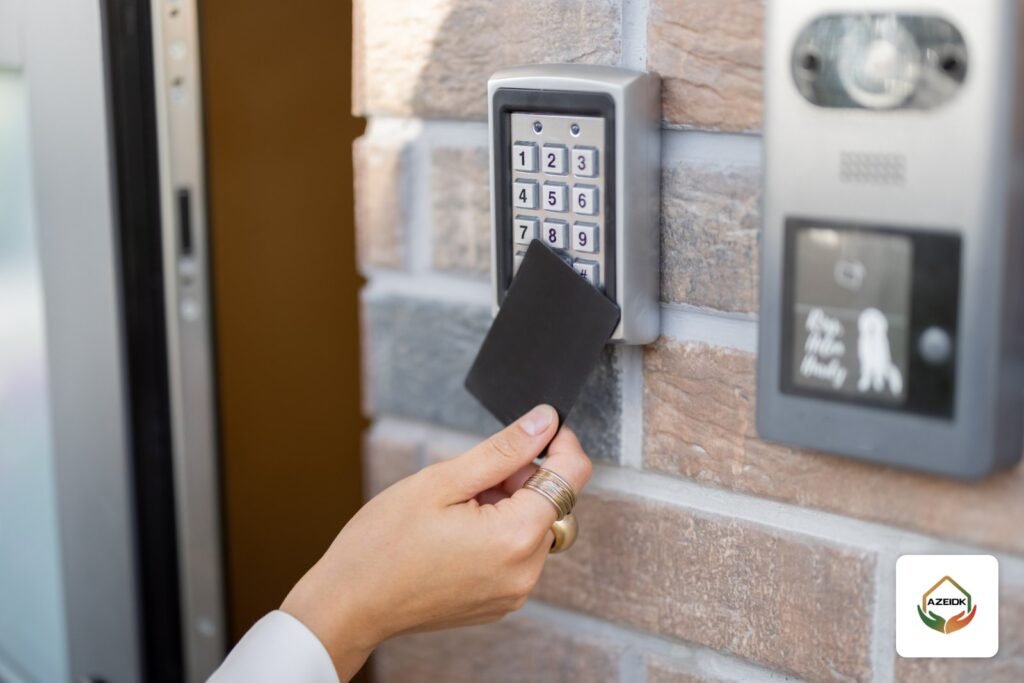
| Access control | Readers, card type, locks, exit buttons, user database, release on fire alarm | Easily copied cards, a panel with no management software, doors that stay locked on alarm |
| Intercom and PA | Outdoor and indoor units, PA zones and speech clarity | Old systems with no spare parts |
Infrastructure first
Cabling, trays and telecom rooms are the costliest part to replace because they sit in ceilings and walls. The assessment therefore starts there: is the cable category enough for modern devices, as explained in network cable types? Are runs within the 100 m copper channel limit? Are cabinets organised and labelled? Sound infrastructure can usually carry new devices, and may even allow analog cameras to be upgraded over the same cable, as covered in upgrading an old CCTV system.
Cybersecurity of old devices
Devices that no longer receive firmware updates stay exposed to published vulnerabilities, as seen in the security advisories manufacturers issue for recorders and cameras. The assessment records the firmware version of each device against the latest available and checks that default passwords were changed. See CCTV hacking protection.
The final report
A useful report does more than describe condition. It sorts items into keep, repair and replace, each with a reason and a priority: urgent for safety or security, planned with the renovation, or optional. A device schedule with locations is attached, so it can serve as the basis for the quotation and later for the maintenance contract.
FAQ
Can old cameras stay with a new recorder?
Sometimes, if the new recorder supports them and the signal type matches. The models decide, not the appearance.
What if nobody knows the recorder password?
Follow the manufacturer’s official recovery method, which may need proof of ownership; otherwise the device is reset and its settings are lost.
Is the fire alarm included?
This assessment covers low current systems and checks only their links to fire, such as door release and PA muting. The fire system has its own assessment.
Leasing or renovating a building? AZEIDK can assess cameras, network and access control and define the scope before pricing. Contact AZEIDK
For a site survey or quotation, see CCTV supply and installation.
Related guides
- Fire Protection Valves in Saudi Projects: Types and Applications
- ISO Certificates for Companies and Contractors in Saudi Arabia: ISO 9001, 14001 and 45001 in Tenders
- Fire Alarm Companies in Riyadh: How to Choose a Supply and Installation Company
- Fire Alarm Commissioning and Acceptance Testing Before Handover