A fire system preventive maintenance plan (PPM: Planned Preventive Maintenance) is an annual schedule that turns the inspection frequencies required for each system into visits fixed by month, each with a work order listing what is inspected and tested. The plan starts with an inventory of systems and components, applies the frequencies of NFPA 25, NFPA 72, NFPA 10 and the manufacturer’s instructions, then groups the tasks into monthly, quarterly and annual visits without duplication or omission.
For what any contract should cover before you sign, see our fire system maintenance contract guide for Saudi Arabia.
This guide explains how to build the plan step by step, how the number of visits per year is set, what goes into each work order, and how to measure compliance with the plan. It is how AZEIDK runs its preventive and periodic maintenance contracts.
Key takeaways
- The plan rests on three inputs: an inventory of systems, standard frequencies and manufacturer instructions, and how the facility operates.
- The number of visits per year is set by the shortest frequency among the systems covered, not by floor area.
- A quarterly visit includes the monthly tasks and the annual visit includes the quarterly ones, so tasks are combined, not repeated.
- Weekly tasks, such as valve checks and diesel pump runs, need a clear contract statement of who performs them.
- Plan compliance (completed against planned) is the first measure of a maintenance company’s performance.
In this article
- What is a fire system preventive maintenance plan?
- Step one: inventory systems and components
- Step two: inspection frequencies for each system
- Step three: group tasks into visits
- How many preventive maintenance visits per year?
- What goes into the work order for each visit?
- Measuring compliance with the preventive maintenance plan
- Preventive maintenance plans for multi-building or multi-branch facilities
- Common mistakes in preventive maintenance plans
- How AZEIDK builds a preventive maintenance plan
- Frequently asked questions
- Conclusion
What is a fire system preventive maintenance plan?
Preventive maintenance is done before a fault appears, on a fixed schedule; corrective maintenance fixes a fault after it appears. We explain the difference in preventive vs corrective fire system maintenance. The plan is the tool that makes preventive maintenance deliverable and auditable: a 12-month calendar with one or more visits each month and a task list for each visit.
Without a written plan, maintenance becomes a series of similar visits where whatever is easy gets checked, and annual and five-year tasks drop out because they need preparation and shutdowns.
Step one: inventory systems and components
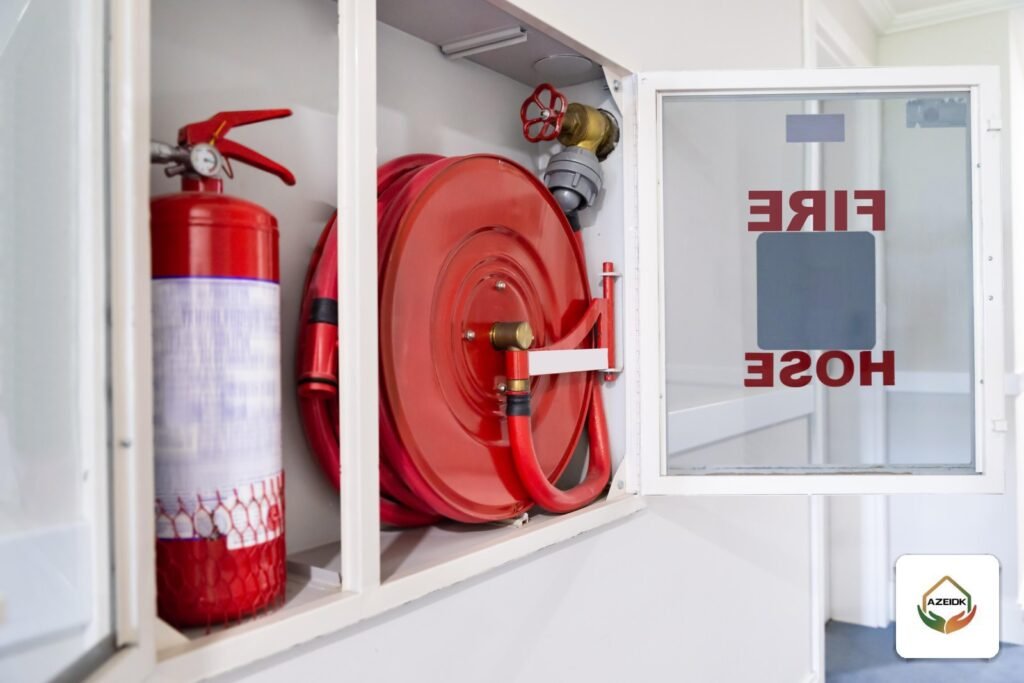
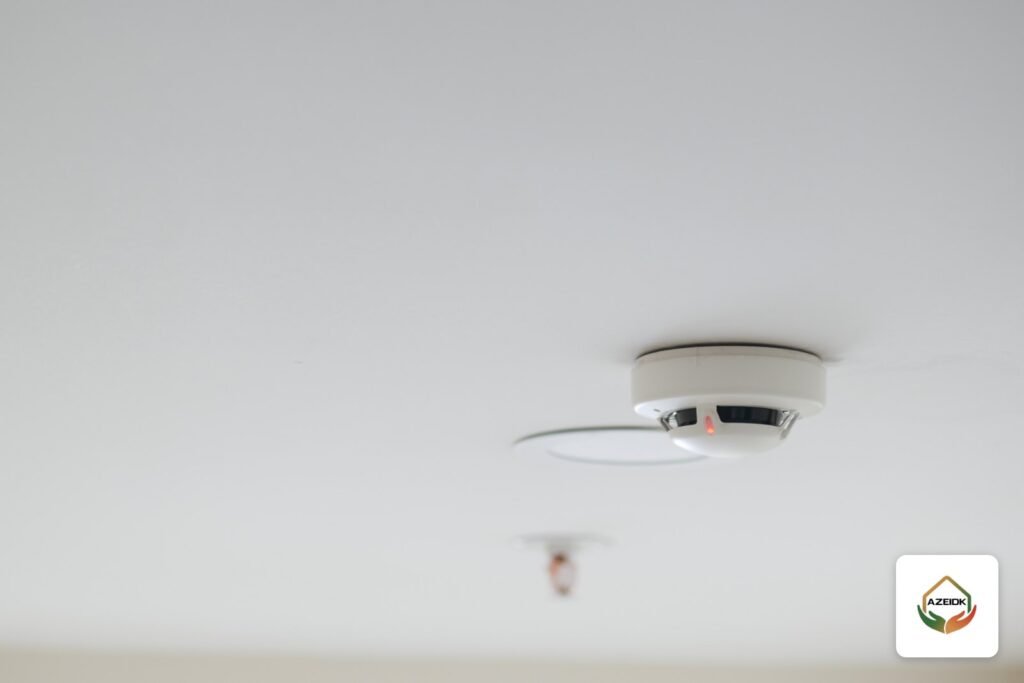
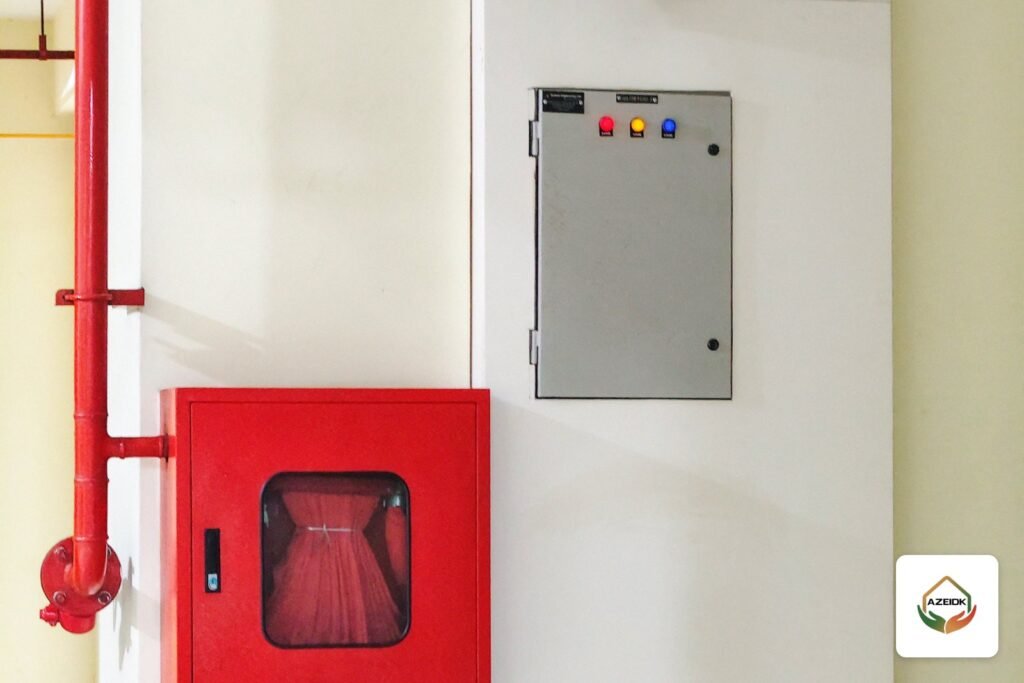
What is not counted cannot be scheduled. The inventory sets the quantity and location of each system’s components: alarm panels, detectors and call points; sprinkler risers and alarm valve stations; fire pumps and their types; hose cabinets; extinguishers by type; special suppression and kitchen systems. An accurate inventory is also what makes maintenance quotations comparable, because every company prices the same number of components.
Step two: inspection frequencies for each system
The table below gathers reference frequencies from NFPA standards as summarised by the sources listed at the end (for gauges and control valves: NFPA 25, 2020 edition onward). They are reference values, not binding text: in Saudi Arabia the binding requirements are the Saudi Fire Protection Code SBC 801 and Civil Defense requirements, and the contract or consultant sets the adopted edition of each standard, so each contract should check the table against that edition and the manufacturer’s instructions:
| System | Example tasks and frequencies |
|---|---|
| Wet sprinkler system (NFPA 25) | Water pressure gauges quarterly; control valves weekly to quarterly depending on how they are secured; water motor gong quarterly; flow and pressure switches semiannually; sprinklers, pipe and main drain annually; gauges and internal piping every 5 years |
| Fire pumps (NFPA 25) | Diesel pump no-flow run weekly for at least 30 minutes; electric pump monthly for at least 10 minutes, with cases requiring weekly; annual flow test |
| Fire alarm (NFPA 72) | Initiating devices such as detectors and call points tested annually; waterflow and supervisory switches semiannually; visual inspection semiannually; sealed lead-acid batteries charger and voltage tests semiannually |
| Fire extinguishers (NFPA 10) | Monthly inspection, annual maintenance, and periodic tests by extinguisher type |
| Hose cabinets | Visual checks during periodic visits and annual maintenance of hose, reel and valve per the adopted standard and manufacturer instructions |
| Special suppression and kitchen systems | Usually semiannual inspection per the standard and manufacturer |
System details are in our fire protection maintenance checklist, electric fire pump maintenance and fire alarm maintenance articles.
Step three: group tasks into visits
The simple rule: the longer-interval visit includes the shorter-interval tasks. A quarterly visit performs monthly and quarterly tasks together, a semiannual visit adds the semiannual tasks, and the annual visit performs everything plus the annual tasks. The calendar then looks like this:
| Month | Visit type |
|---|---|
| 1, 2, 4, 5, 7, 8, 10, 11 | Monthly |
| 3, 9 | Quarterly |
| 6 | Semiannual |
| 12 | Annual |
This is an illustration for a facility with monthly tasks. Months are chosen to suit the facility: the annual visit, which needs pump runs, flow tests and alarm activations, is best placed at a quiet time, such as school holidays, nights in malls or shutdown windows in factories.
How many preventive maintenance visits per year?
The number of visits is set by the shortest frequency among the systems in the contract, not by floor area. A facility with extinguishers needing monthly inspection will need at least 12 visits a year for those tasks, or the facility team can take on the simple monthly checks while the company attends the longer visits. Weekly tasks, such as checking sealed valves and running the diesel pump, are rarely covered by external visits; the contract must state clearly who performs and records them.
That decision directly affects cost; price drivers are covered in fire system maintenance contract cost.
What goes into the work order for each visit?
- Visit number, type, and planned and actual dates.
- The tasks due in this visit, taken from the plan, with the location of each component.
- What needs advance coordination: notifying the alarm monitor, a shutdown, or access to restricted areas.
- A result field for each task, and test readings.
- Findings classified as noncritical, critical or impairment per NFPA 25.
- Signatures of the technician and the facility representative.
Measuring compliance with the preventive maintenance plan
The simplest and most honest measure is plan compliance: tasks completed on time divided by tasks planned for the same period. Track alongside it:
- Number and age of open findings, especially critical ones.
- Postponed visits and the reason.
- Annual and five-year tasks: were they actually done, or carried forward every year?
Review these measures monthly with the facility manager, and write their targets into the service level agreement where one exists.
Preventive maintenance plans for multi-building or multi-branch facilities
For compounds and branch chains, a plan is built for each site and then merged into one calendar. Nearby branches can be visited in the same week, and annual visits do not all fall in one month and overload the team. Each site should keep its own log so it can be shown at that site’s inspection or licence renewal without separating reports later.
Common mistakes in preventive maintenance plans
- Copying another facility’s plan without inventorying the actual systems.
- Scheduling every task in one annual visit.
- Forgetting five-year tasks because they do not appear in the contract’s first year.
- Combining fire systems, CCTV and low current in one plan and contract; the clearer practice is fire, safety and alarm systems in one contract, and low current and CCTV in a separate one.
- Not updating the plan after a new floor, a new system or a fit-out.
How AZEIDK builds a preventive maintenance plan
AZEIDK works to an agreed periodic visit schedule, monthly, quarterly or semiannual depending on the system and scope, following manufacturer instructions, Civil Defense requirements and the relevant NFPA standards, including NFPA 72 for alarm systems and NFPA 25 for water-based suppression and fire pumps. After each visit a report of results, findings and recommended corrective actions is issued, with an updated maintenance log that can be presented at inspection or licence renewal.
Frequently asked questions
How many preventive maintenance visits do fire systems need per year?
The shortest frequency among the systems covered decides. If there are monthly tasks, the minimum is 12 visits, unless the facility team handles simple monthly checks under the contract.
What does PPM mean in maintenance?
Planned Preventive Maintenance: inspection and testing tasks on a fixed schedule before a fault occurs.
Can the annual visit replace the monthly ones?
No. Monthly and quarterly tasks catch a closed valve, abnormal pressure or an empty extinguisher, and cannot wait for an annual visit.
Who prepares the preventive maintenance plan?
The maintenance company prepares it from the system inventory and adopted standards; the owner or consultant reviews and approves it before the contract starts.
When should the plan be updated?
Whenever systems are added or altered, when the facility’s use changes, and in an annual review at contract renewal.
Conclusion
A fire system preventive maintenance plan starts with an accurate inventory, applies standard frequencies to every component, and groups tasks into clear visits across the year. When every visit has a work order and every task a result, compliance becomes measurable and annual tasks no longer get lost among routine visits.
Need a written preventive maintenance plan for your facility? Send us your list of systems and any drawings, and we will propose an annual visit calendar and the scope of each visit. Talk to the AZEIDK team
Related guides
- CCTV Cameras for Malls and Shopping Centres: Corridors, Car Parks, Control Room and People Counting
- Burglar Alarm System Price in Saudi Arabia: What Drives the Cost
- Safety Companies in Saudi Arabia: Types and How to Verify an Approved Safety Establishment
- Warehouse Mezzanine Fire Protection: Sprinklers Below the Deck, Detectors and Exits