A fire system asset register is a documented list of every component in a facility’s fire systems: type, quantity, location, model, condition and date of last inspection. That list sets the scope of the maintenance contract, the number of visits, the contract cost and what is inspected at each visit. Without it, every contractor prices a different building, and the contract says “maintenance of the building’s fire systems” with nobody knowing what that actually covers.
For what any contract should cover before you sign, see our fire system maintenance contract guide for Saudi Arabia.
This guide explains what is counted in each system, the data needed for each asset, where it comes from, and how the register becomes a contract scope and visit schedule. It is the first step before any contract under AZEIDK’s preventive and periodic maintenance service.
Key takeaways
- The register comes before the contract: without it, maintenance quotations cannot be compared and the contract’s coverage is unclear.
- Each asset has an ID, location, type, model, installation date, condition and date of last inspection.
- Sources: as-built drawings, O&M manuals, and a site walk that checks paper against reality.
- Fire, safety and alarm systems are registered for one contract; low current and CCTV for a separate one.
- The register is a living document, updated after every addition, alteration or replacement.
In this article
- Why does a maintenance contract start with a fire system asset register?
- What is counted in each system?
- What data is needed for each asset?
- A simple asset register layout
- Where does fire system asset register data come from?
- How does the register become a contract scope?
- What does the register reveal before signing?
- Updating the register and linking it to records
- Common fire system asset register mistakes
- Frequently asked questions
- Conclusion
Why does a maintenance contract start with a fire system asset register?
A good contract answers two questions: what will be maintained, and how often? The register answers the first; standard frequencies for each asset type answer the second. Three things follow directly from the register:
- Scope: the components covered by the contract, and what is outside it.
- Cost: the quantity and type of components is the main price driver, as explained in fire system maintenance contract cost.
- Visit schedule: the shortest frequency among the registered assets sets the number of visits per year.
When the maintenance company changes, the register becomes the basis of handover between the two companies, as detailed in fire maintenance contract takeover.
What is counted in each system?
| System | Assets to register |
|---|---|
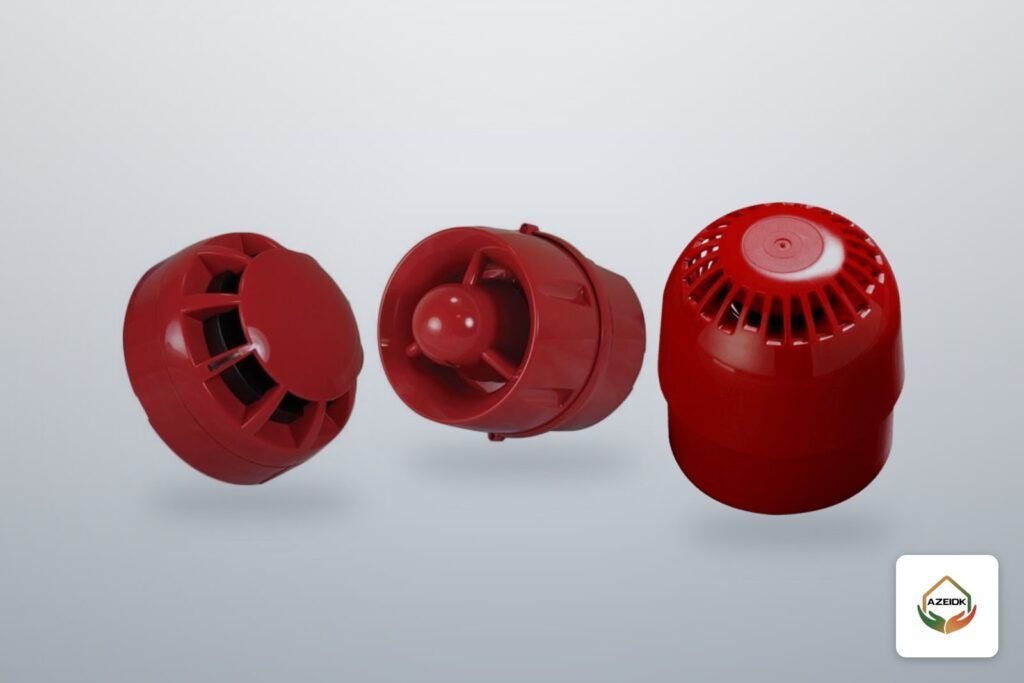
| Fire alarm | Main and sub panels, number of loops or zones, detectors by type (smoke, heat, beam, duct), call points, sounders and beacons, monitor and control modules, batteries |
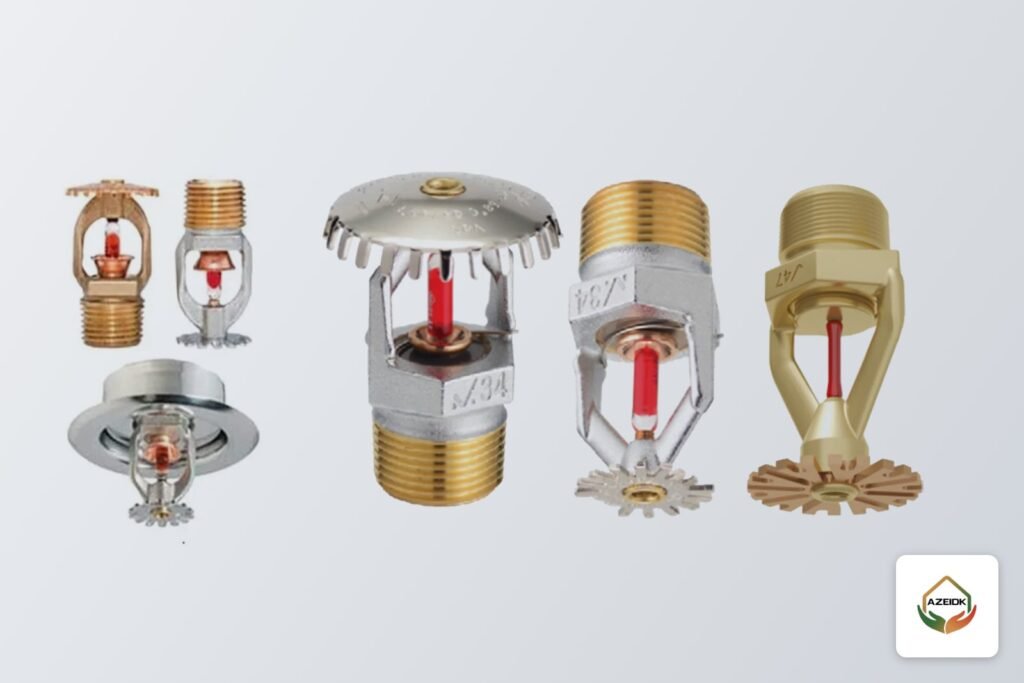
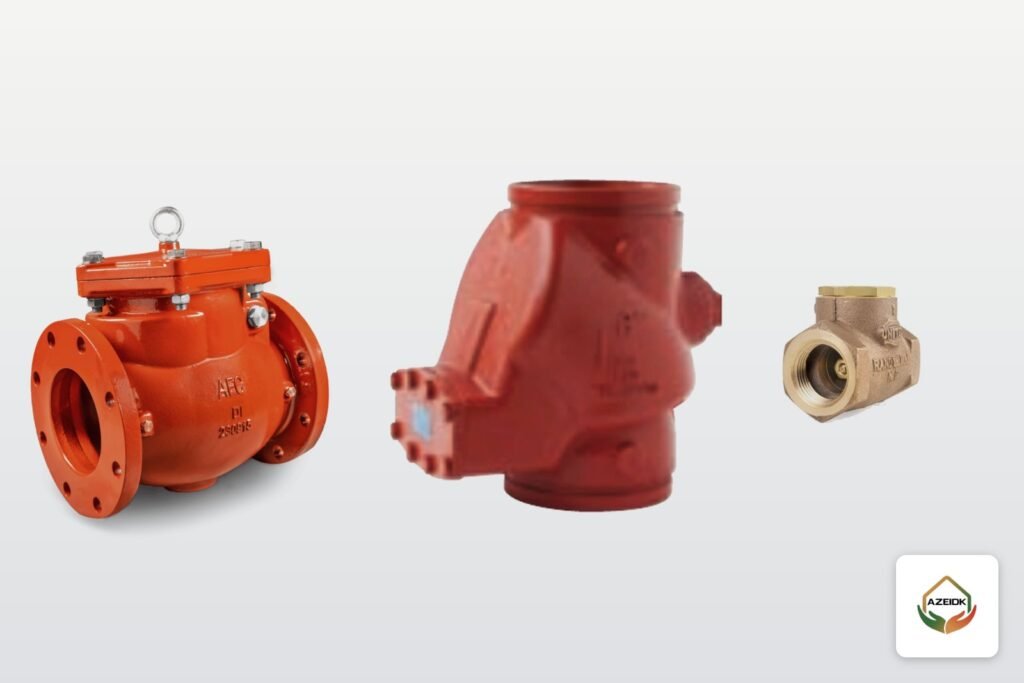
| Sprinklers and standpipes | Number of risers, alarm valve stations and floor control stations, control valves, supervisory and flow switches, system type (wet, dry, pre-action), spare sprinkler cabinets, fire department connections |
| Fire pumps | Electric, diesel and jockey pumps, controllers, diesel fuel tank and batteries, pump room valves |
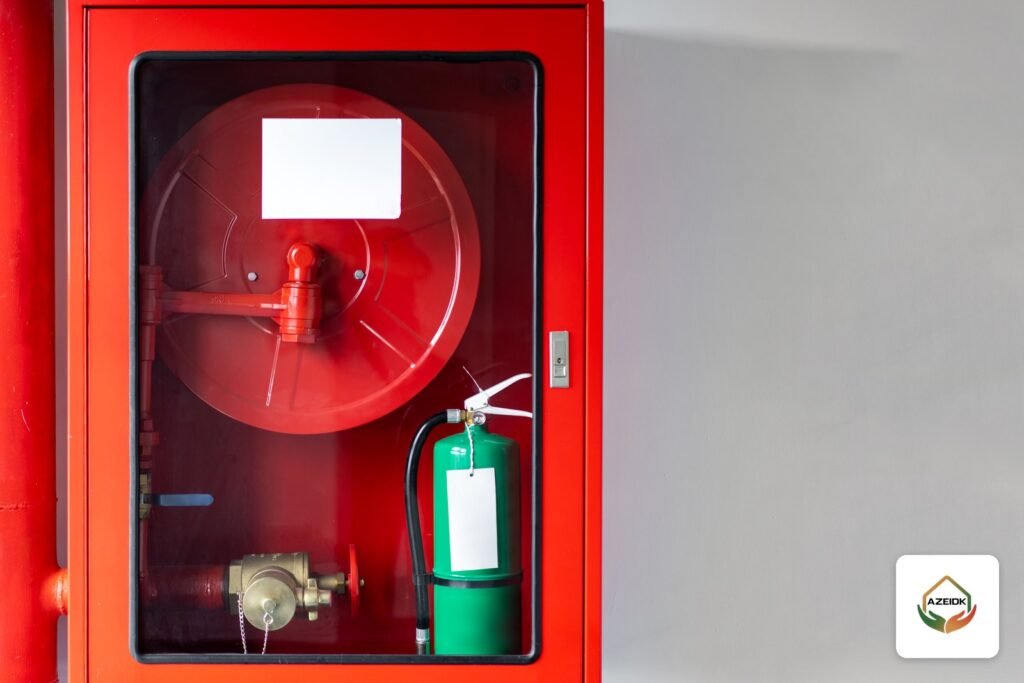
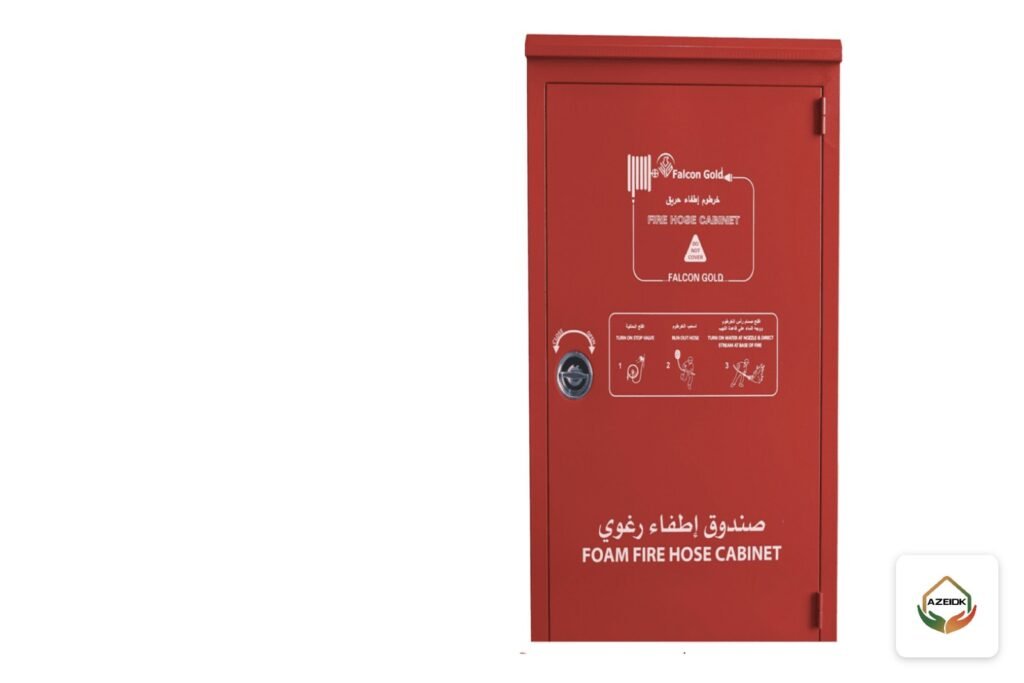
| Hose cabinets and hydrants | Number and type of cabinets, hoses and reels, landing valves, external hydrants |
| Extinguishers | Quantity by type and capacity (powder, CO2, foam, water, wet chemical) and the location of each |
| Special suppression and kitchens | Number of systems and protected rooms, cylinders and sizes, control panels, hood systems |
| Related systems | Emergency lighting and exit signs, fire doors, smoke extraction fans where included in the contract |
Each sprinkler head is not usually registered individually; an approximate count per area or riser with types and temperature ratings is enough, because that is what the technician needs to stock spare sprinklers and select test samples when required.
What data is needed for each asset?
- An ID written on a label on site and used in every report.
- Location: building, floor and area.
- Type, model and manufacturer, because maintenance instructions and spare parts follow the model.
- Installation or manufacture date, important for extinguishers, sprinklers, batteries and cylinders, which have service lives and periodic tests.
- Condition at registration: sound, with a finding, or out of service.
- Date and result of the last inspection or test, where records exist.
- Required inspection frequency for that type, to build the schedule.
A simple asset register layout
In most facilities a simple spreadsheet is enough, provided its columns are fixed and the same ID is used in every report. Illustrative rows:
| Asset ID | Type | Location | Model | Installed | Condition | Frequency |
|---|---|---|---|---|---|---|
| FE-B1-014 | 6 kg powder extinguisher | Building 1, ground floor, lift lobby | Per label | Per label | Sound | Monthly and annual |
| SPR-R2 | Wet alarm valve station | Valve room, riser 2 | Per plate | From handover documents | Gauge due for replacement | Per NFPA 25 schedule |
| FAP-01 | Addressable fire alarm panel | Security room | Per plate | From handover documents | Sound | Per NFPA 72 schedule |
Where does fire system asset register data come from?
Documents
The starting point is the handover documents: as-built drawings and O&M manuals, acceptance test reports, earlier maintenance reports, and the fire alarm panel program, which lists the devices on each loop.
Site walk
Paper alone is not enough. Buildings change after handover: floors are added, shops fitted out, extinguishers moved or missing. The site walk checks each item against reality, adds what was never documented, and records each asset’s condition. This is part of AZEIDK’s technical site inspection and assessment service, and for buildings without adequate documents it falls under assessment of existing systems and scope definition.
How does the register become a contract scope?
- Mark what is covered: the assets covered by the contract are flagged, and exclusions stated explicitly.
- Separate the contracts: fire, safety and alarm systems in one contract; low current, CCTV and access control in a separate one.
- Attach frequencies: each asset type gets an inspection frequency from the adopted standard and manufacturer instructions.
- Build the schedule: tasks are grouped into monthly, quarterly and annual visits by the shortest frequency.
- Attach the register to the contract: it becomes an appendix to refer to in any dispute about coverage.
When requesting quotations from several companies, send the same register to all of them so the comparison is on one scope.
What does the register reveal before signing?
The first register often reveals things the owner did not know: extinguishers past their service life, old panel batteries, valves without supervisory switches, areas added without detectors or sprinklers. These are recorded with their level and dealt with before or at the start of the contract, so the maintenance company does not take on a system with undocumented existing faults. The repairs themselves fall under corrective maintenance and technical support.
Updating the register and linking it to records
The register is not done once. Update it when:
- A floor, area or system is added.
- A shop fit-out or alteration moves sprinklers or detectors.
- A component is replaced with a different model.
- An asset is taken out of service.
Visit reports are linked to each asset ID, so every component has a history: when it was inspected, what was found, what was replaced. Those records are what you need when preparing the fire safety log book for Civil Defense inspection. As a reference value, NFPA 25 (section 4.3 as cited by NFSA, and by QRFS for the 2017 edition) requires inspection and test records to be kept for at least one year after the next inspection of the same type, and original acceptance results for the life of the system. The binding retention periods for a Saudi facility come from Civil Defense requirements, the Saudi Fire Protection Code SBC 801 and the contract terms.
Common fire system asset register mistakes
- Relying on old drawings without a site walk.
- Counting extinguishers by number only, without type, capacity and manufacture date.
- Not recording panel and detector models, making compatible spare parts hard to source.
- Including CCTV and low current systems in the fire contract register.
- Not updating the register after fit-outs and alterations.
Frequently asked questions
What is a fire system asset register?
A documented list of every fire system component in a facility, with type, quantity, location, model, condition and date of last inspection, on which the maintenance contract is built.
Who prepares the asset register?
The maintenance company or contractor prepares it from documents and a site walk; the owner or facility manager reviews and approves it.
Do I need a register if I have as-built drawings?
Yes. Drawings are a starting point, but buildings change after handover; the site walk matches drawings to reality and records each asset’s condition.
Are CCTV assets registered with fire systems?
No. Fire, safety and alarm systems have their own maintenance contract; low current and CCTV systems have a separate contract and a separate register.
How does the register affect the maintenance contract price?
The quantity, type and age of components set the number of visits, labour hours and expected parts, so the price rests on a known scope.
Should the asset register be attached to the contract?
Yes, ideally. Attaching it as an appendix fixes what the contract covers by quantity and location, and settles later disputes over included or excluded items.
Conclusion
A fire system asset register turns a maintenance contract from a general phrase into a defined scope: counted components, known frequencies, scheduled visits and reports linked to each asset. Kept up to date with every change, it becomes the facility’s most important record at inspection and when the maintenance company changes.
Preparing to tender a fire system maintenance contract? We can arrange a survey and asset register for your facility’s systems and propose the contract scope and visit schedule from it. Talk to the AZEIDK team
Related guides
- Approved Equal for Fire Equipment: How to Prepare a Substitution Request the Consultant Will Accept
- H.265 and H.265+ Video Compression in CCTV: How They Cut Recording Size and Drive Needs, and Their Limits
- Fire Command Center Requirements in Saudi Buildings: When It Is Required and What It Must Contain
- CCTV Cameras Without Internet: How Offline Recording Works and When You Need a Connection