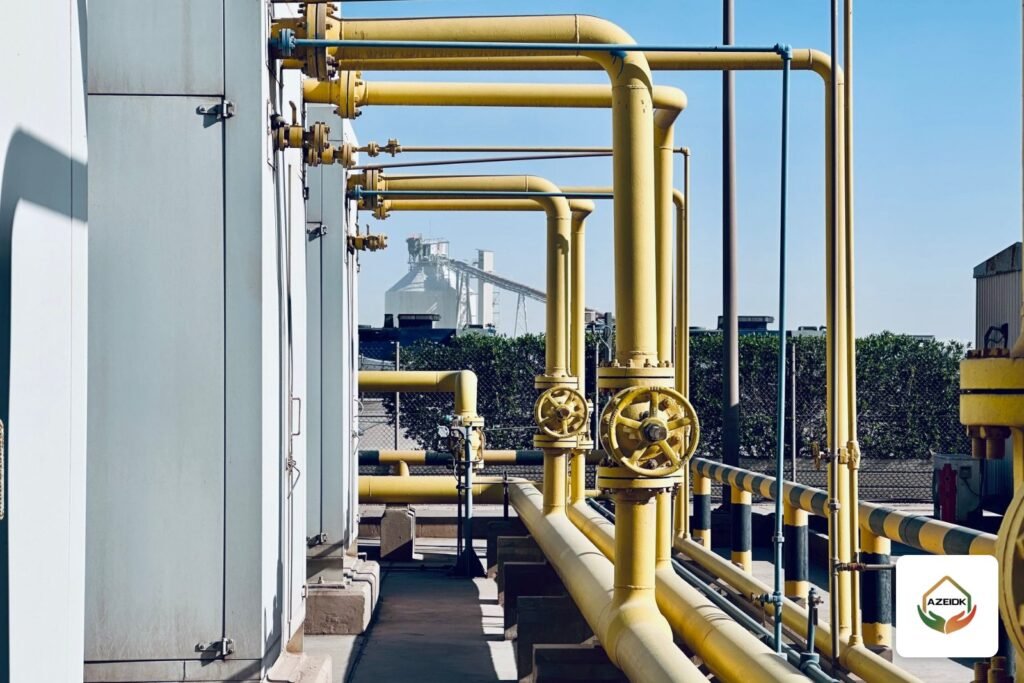
The SASO technical regulation for equipment and protective systems intended for use in potentially explosive atmospheres sets what any detector, device or protective system must meet when it is used where flammable gas, vapour, mist or dust mixtures can form. It requires the supplier to obtain a certificate of conformity before placing the product on the Saudi market. This article explains the scope, equipment categories, marking and documents, and what owners and contractors should check before buying.
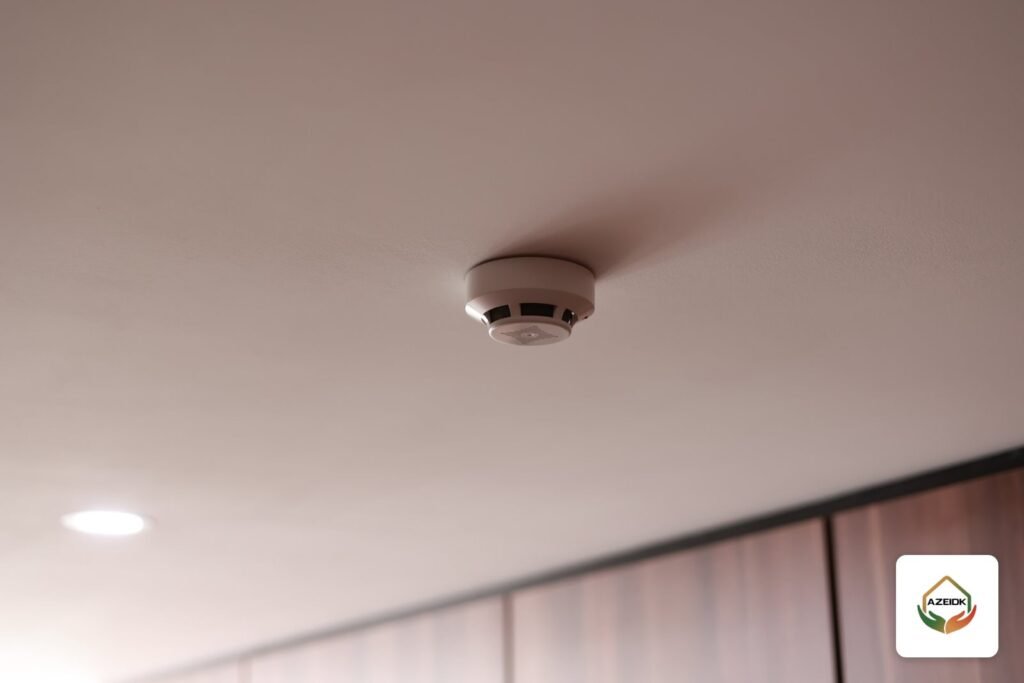
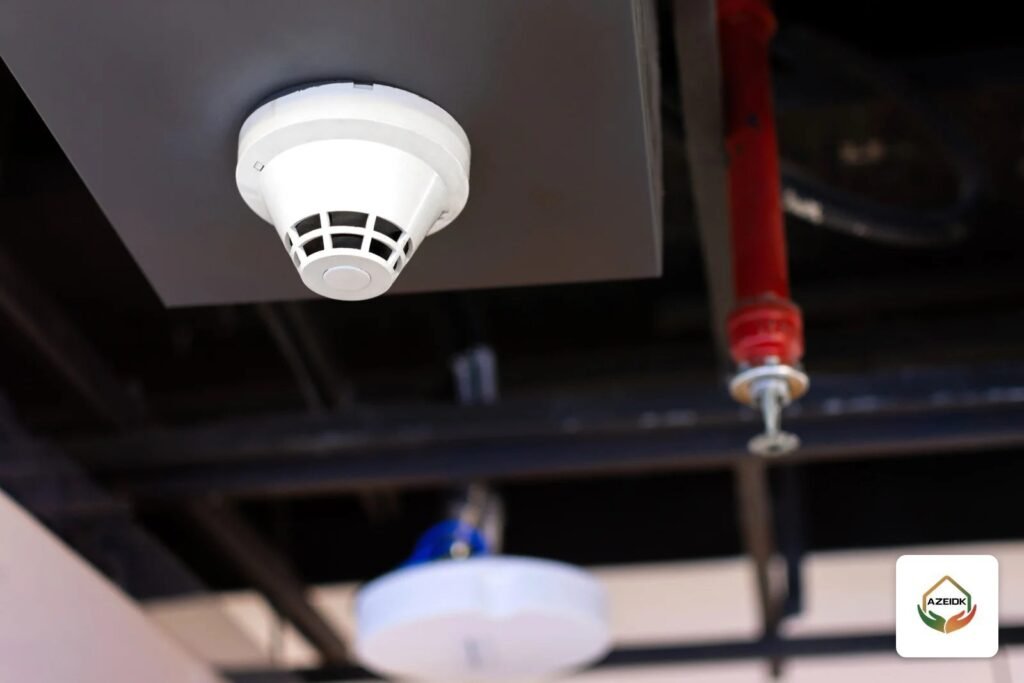
This equipment is part of fire alarm systems and fire and gas systems in factories, fuel stations and warehouses.
Key points
- The SASO Board approved the regulation at meeting No. 194 on 13/3/1445H, and it was published in the Official Gazette on 3/5/1445H.
- It covers equipment and protective systems for explosive atmospheres, control and safety devices outside them that are needed for safe operation, and components intended for incorporation.
- The supplier must obtain a SASO certificate of conformity before offering or placing the product on the market, with a technical file containing the declaration of conformity and a risk assessment.
- Equipment is split into Group I (mines) and Group II (other locations), with protection categories 1, 2 and 3.
- Suppliers were given up to 548 days from publication to bring their products into line.
What is an explosive atmosphere?
The regulation defines an explosive atmosphere as a mixture of flammable substances, as gas, vapour, mist or dust, with air, in which combustion can spread after ignition. It is not only about oil refineries: it includes places such as flammable liquid stores, paint booths and flour mills where combustible dust forms. Hazardous area zoning is covered in explosion-proof smoke detectors and ATEX zones.
What the regulation covers and excludes
Article 2 covers equipment and protective systems used in explosive atmospheres, control and safety devices outside those atmospheres when needed for their safe performance, and components intended for incorporation into them. Exclusions include medical devices, domestic and non-commercial equipment where an explosive atmosphere forms only rarely from a fuel gas leak, personal protective equipment (covered by a separate regulation), means of transport except vehicles intended for explosive atmospheres, and military equipment.
Equipment categories in the regulation
| Group and category | Protection level | Use per the regulation |
|---|---|---|
| Group I, M1 | Remains functional in a dangerous atmosphere, with protection that tolerates rare faults | Mines |
| Group I, M2 | De-energised when an explosive atmosphere occurs | Mines |
| Group II, Category 1 | Very high protection, with two independent means or protection that tolerates two independent faults | Continuous or long-duration explosive atmospheres |
| Group II, Category 2 | High protection | Areas where an explosive atmosphere may occasionally occur |
| Group II, Category 3 | Normal protection | Areas where an explosive atmosphere is unlikely and, if it occurs, is brief |
Required product marking
Article 5 requires clear, durable information on the product, including the trade name or registered trademark, manufacturer address, test certificate number, the explosion protection mark per the applicable standards, model number, product name, electrical limits if any, product classification, maximum ambient temperature, and any essential safe-use information.
Certificate of conformity and technical file
- Certificate of conformity (Article 6/1): obtained by the supplier from SASO before offering or placing the product on the Saudi market.
- Technical file (Article 6/2): accompanies each product and contains the supplier’s declaration of conformity on the Annex 4 template and a risk assessment document.
- Saudi Quality Mark (Article 6/3): products holding it that meet the regulation are treated as meeting its requirements.
- Standards (Annex 1): include the IEC 60079 series as adopted by SASO, such as Part 0 (general requirements), Part 1 (flameproof enclosures), Part 11 (intrinsic safety), Part 14 (installation), Part 17 (inspection and maintenance) and Part 29 (gas detectors), plus the ISO 80079 series for non-electrical equipment.
The text defines the supplier as the manufacturer or its agent in the Kingdom, or the importer where there is no agent. For general conformity steps, see SABER conformity certificates for fire equipment, and for fire control materials, the SASO fire control materials technical regulation.
Market surveillance and violations
Article 9 prohibits manufacturing, importing, placing on the market, offering or advertising non-compliant products. Grounds for non-compliance include missing or incorrect conformity marks, a certificate or declaration not issued or issued incorrectly, and missing technical documents, information or instructions. The violator can be required to correct, withdraw, re-export or destroy the product, and the penalties of the Commercial Fraud Control Law apply. The supplier carries full legal responsibility for compliance.
Checklist before buying equipment for a hazardous area
- Identify the area classification from the drawings, then the required equipment category.
- Ask for the SASO certificate of conformity and its number, and confirm the model matches.
- Check the explosion protection mark and maximum ambient temperature on the rating plate.
- Ask for the datasheet and technical file, including the declaration of conformity and risk assessment.
- Plan installation, inspection and maintenance to the relevant IEC 60079 parts.
AZEIDK reviews datasheets and certificates as part of its technical selection of systems and equipment service. For the components of a fire and gas system in industrial sites, see the dedicated article.
FAQ
Does an IECEx or ATEX certificate replace the SASO certificate?
The regulation requires a certificate of conformity issued by SASO before the product is placed on the market and does not name IECEx or ATEX. Acceptance of conformity assessment bodies falls under a separate regulation, so the SASO certificate remains the requirement for the Saudi market.
Does the regulation cover gas detectors?
Yes. Annex 1 includes IEC 60079 Part 29 on gas detectors among the listed standards.
Who is responsible for compliance, the supplier or the contractor?
The regulation places full legal responsibility for product compliance on the supplier. The contractor and owner should check the certificate and markings before receiving and installing the equipment.
Where is the official text?
On the SASO website: technical regulation for explosive atmospheres (PDF, Arabic).
Conclusion
Any equipment installed in an explosive atmosphere needs the right category, correct marking, a SASO certificate of conformity and a technical file. Send AZEIDK your area classification and equipment list, and we will review compliance and send a proposal through a quote request.
Related guides
- Long Range CCTV Camera Guide: Varifocal Lenses, Optical Zoom and When You Need PTZ
- Room Integrity Testing for Gas Suppression Systems
- Access Control for Banks: Staff Permissions, Cash and Server Rooms, Interlocked Doors and Fire Release of Exits
- Intrusion Alarm Systems: Components, Design and Integration