Food factory fire protection starts with a map of the hazards inside the plant: hot oil in industrial fryers and ovens, insulated panels in cold rooms, a packaging store full of cartons and plastic film, and flour or sugar dust on mixing lines. Each area needs its own answer: detection and alarm, sprinklers that suit the room temperature, local suppression for fryers, extinguishers matched to the fire class, and CCTV for gates, lines and yards. This guide links each hazard to the right system and explains the route to a Salamah licence, drawing on AZEIDK solutions for factories and industrial facilities.
Key takeaways
- A food plant is not one hazard. The frying area, cold rooms, packaging store and electrical rooms each need a separate solution.
- Industrial fryers need a local application system listed for that kind of equipment. Restaurant kitchen systems do not automatically fit them.
- Freezer rooms need sprinklers that will not freeze, such as dry sprinklers or dry and pre-action systems.
- The Saudi Fire Protection Code SBC 801 is the reference, and licensing goes through the Civil Defense Salamah platform.
- Fire and alarm maintenance sits in one contract; CCTV and low current maintenance sits in a separate contract.
In this article
- Food factory fire protection: what are the main hazards?
- How are industrial fryers and cooking lines protected?
- Which sprinkler system suits cold rooms and freezers?
- Which detector suits each area of a food plant?
- How is the finished goods and packaging store classified?
- Is dust a real fire hazard in food plants?
- What does CCTV do in a food factory?
- How does a food factory get its Civil Defense licence?
- Frequently asked questions
- Conclusion
Food factory fire protection: what are the main hazards?
On a first site survey we split the plant into zones, because the fire behaves differently in each one:
- Frying and cooking: oil at high temperature, plus hoods and stacks where grease builds up. A Johnson Controls technical article (December 2025) notes that oil can stay at or above its auto-ignition point after the flame is out, so the fire can reflash if the oil is not cooled.
- Cold rooms and freezers: sandwich panels that may have a combustible core, fans, compressors and panels running around the clock, and temperatures that freeze water in pipes.
- Packaging and finished goods store: cartons, plastic film and wooden pallets, a heavy fire load in a small footprint.
- Flour, sugar and powder lines: airborne dust that may be combustible.
- Electrical, generator and control rooms: a common ignition source in any plant.
How are industrial fryers and cooking lines protected?
A continuous industrial fryer differs from a restaurant fryer in size, oil volume, the conveyor running through it and the hood above it. A restaurant solution should not be copied across. Commercial kitchen suppression systems are designed and tested for restaurant cooking appliances; an industrial fryer needs a local application system listed for that type of equipment.
Solutions used worldwide for these fryers include local application CO2 and water mist. The same article says CO2 puts out the flame by displacing oxygen but does not cool the oil effectively, and that NFPA 12 requires people to evacuate before discharge, while water mist cools the oil. This comparison comes from a manufacturer, so base the decision on the fryer manufacturer’s requirements and the system’s listing documents.
In design we agree three points with the consultant: coverage of the oil vat, hood and stack; heat source shutdown and exhaust interlocks on discharge as the manufacturer instructs; and suitable extinguishers for oil fires close by. This work falls under special fire suppression systems.
Which sprinkler system suits cold rooms and freezers?
A standard wet sprinkler in a freezer is a problem, because the water in the pipe can freeze. The usual design options are:
- Dry sprinklers: a sprinkler with a dry barrel that runs from a wet pipe in a heated area into the cold room. AZEIDK supplies TYCO Series DS-1 dry sprinklers, ordered to length for each site.
- Dry and pre-action systems: a network charged with air or nitrogen that only fills with water when needed. The difference is explained in our article on wet, dry and pre-action sprinkler systems.
The choice depends on room size, number of heads and how sensitive the product is to water. It is settled in engineering design and calculations once the operating temperature is known.
Which detector suits each area of a food plant?
The wrong detector in a food plant means repeated false alarms, and then an operator who switches the system off. Detectors are chosen by environment:
| Area | Hazard | Detection to consider | Linked suppression |
|---|---|---|---|
| Frying and ovens | Hot oil, steam, grease | Heat detectors instead of smoke detectors | Listed local application system for the fryer, suitable extinguishers |
| Freezers | Severe cold, humidity | Detectors rated for the room temperature per the datasheet | Dry sprinklers, dry or pre-action system |
| Packaging store | Cartons, plastic, pallets | Smoke detectors, or beam detectors for high roofs | Sprinklers designed for the commodity class and storage height |
| Powder lines | Possibly combustible dust | As set by the dust hazard study | As set by the study, with regular equipment cleaning |
| Electrical rooms | Electrical faults | Smoke detectors | Clean agent or condensed aerosol as designed |
Heat detector types and locations are covered in heat detector types and installation. AZEIDK supplies Context Plus addressable and conventional panels and detectors for fire alarm systems.
How is the finished goods and packaging store classified?
Sprinkler design in a store starts with the commodity class. The commodity examples in IFC Section 3203, the International Fire Code on which SBC 801 is based, show the spread: frozen foods and foods in noncombustible containers are Class I, foods in plastic containers are Class III, and vegetable oil and butter in plastic containers are listed as high-hazard commodities. A store of bottled cooking oil therefore needs a very different design from a store of canned goods.
The Warehouses and Stores Requirements issued by the Ministry of Municipalities and Housing (1446H) contain practical points for these plants: food stores must not be built next to pesticide or detergent stores, the right number and types of fire extinguishers must be provided, a first aid box is required, security cameras must be installed, and all requirements of the Saudi Fire Protection Code apply.
Is dust a real fire hazard in food plants?
Yes. Some food powders such as flour and sugar can be combustible dust. The US reference for this hazard is now NFPA 660 (2025 edition), which consolidated the earlier combustible dust standards, including NFPA 61 for agricultural and food processing facilities. The 2018 edition of SBC 801 also includes a chapter on combustible dust-producing operations, according to the ICC study companion table of contents. Managing the hazard starts with a dust hazard analysis by a specialist, then regular housekeeping to stop dust building up on surfaces and equipment, then the detection and suppression the study calls for.
What does CCTV do in a food factory?
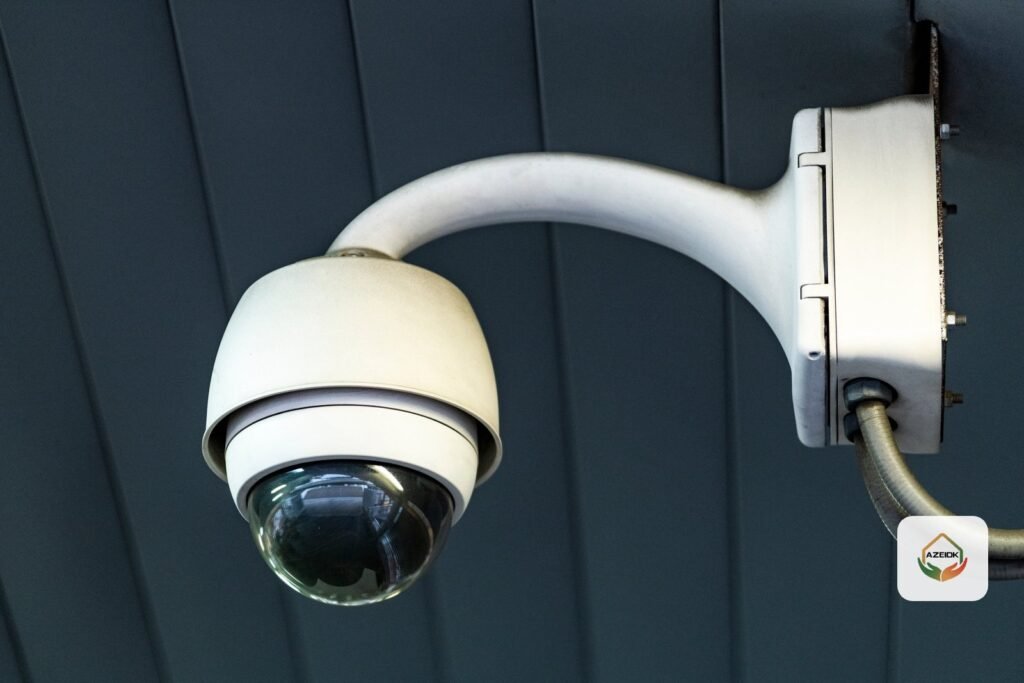
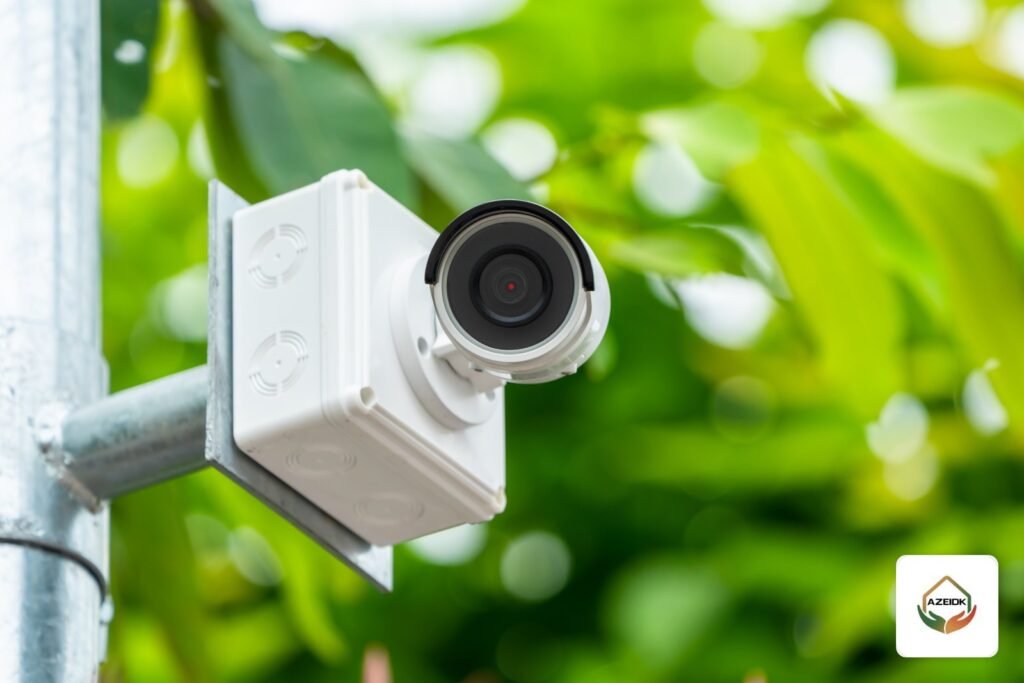
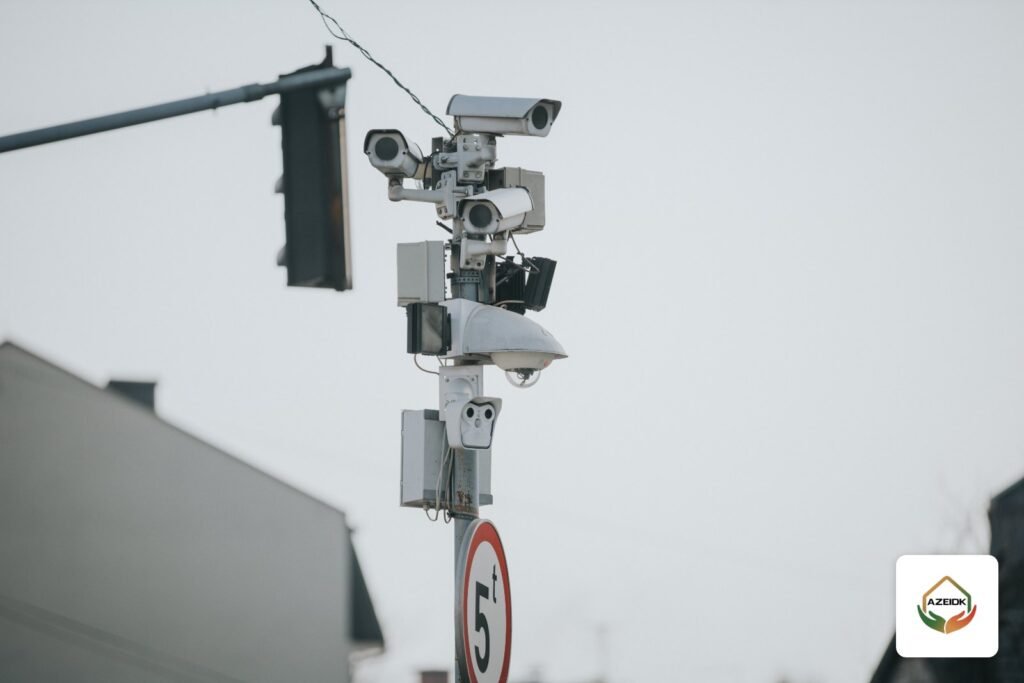
Cameras in a food plant serve safety and security together: watching gates, entrances and loading yards, following production lines, and recording what happens when a fire alarm goes off. The warehouse requirements above call for security cameras. AZEIDK supplies Hikvision and Dahua cameras and recorders as part of security and surveillance systems, and camera placement is covered in CCTV coverage. In wash-down and cold areas, pick cameras with an ingress protection rating that suits the environment, per the datasheet.
How does a food factory get its Civil Defense licence?
Licensing goes through the Salamah platform of the General Directorate of Civil Defense. The safety technical report is issued by engineering consultancy offices. AZEIDK’s role is to supply and install the fire and safety systems and then issue the safety equipment installation certificate for the work it carried out, as part of Civil Defense approval support. Certificate and renewal steps are in our Salamah certificate guide.
Maintenance follows handover. At AZEIDK the fire, safety and alarm maintenance contract is separate from the low current and CCTV contract, each with its own scope and schedule. The first is described on annual maintenance contracts.
Frequently asked questions
What are the Civil Defense requirements for food factories?
The reference is SBC 801 plus the Salamah licensing requirements for the activity. In practice: alarm suited to each area, a suppression network designed for the hazard, extinguishers, emergency exits and a technical report from an engineering office.
Is a restaurant kitchen system enough for an industrial fryer?
Do not assume so. Restaurant systems are tested for restaurant appliances. An industrial fryer needs a local application system listed for that equipment, following the fryer manufacturer’s instructions.
Which sprinkler suits a freezer room?
Dry sprinklers, or dry and pre-action systems, because water in a wet system can freeze. The choice is made in design based on room temperature and size.
Are security cameras required in food factory stores?
The Ministry of Municipalities and Housing warehouse requirements call for security cameras. Number and positions come from a design covering gates, yards and storage areas.
Does AZEIDK issue the plant’s safety technical report?
No. Engineering consultancy offices issue the technical report. AZEIDK supplies and installs the systems and issues the safety equipment installation certificate for its own work.
Can fire and CCTV maintenance be in one contract?
At AZEIDK they are two contracts: one for fire, safety and alarm systems, and another for low current and CCTV, since each group has its own team, schedule and requirements.
Conclusion
Food factory fire protection is built zone by zone: listed local suppression for fryers, sprinklers that will not freeze in cold rooms, store sprinklers designed for the commodity class, detectors that suit each environment, and cameras covering gates and lines. Start with a survey that maps the hazards, then design, then licensing through Salamah, then a regular maintenance contract.
Planning a new food plant or a new production line? Send the layout, product types and cold room temperatures, and the AZEIDK engineering team will review them with you. Talk to the AZEIDK team
Related guides
- Falcon Gold vs SFFECO: Comparing Fire Extinguishers by Type, Size and Approvals
- Fire Watch During Fire System Impairments: What a Saudi Facility Must Do Until Alarms or Sprinklers Are Back in Service
- Panic Button Guide: Hikvision DS-PDEBP1 Wireless Pendant vs ZYCOO PB-S11 Network Button, and Where to Install Each
- CCTV Cameras Without Internet: How Offline Recording Works and When You Need a Connection