Scrapyard requirements in Saudi Arabia, for centres and outlets selling deregistered vehicles and used parts (known locally as tashaleeh), are set by the Ministry of Municipalities and Housing document “Requirements for Sales Centres and Outlets of Deregistered Vehicles”, Ministerial Decision 4600657369/1 dated 8/10/1446 AH, with the Ministry of Commerce as supervising authority. A scrapyard combines two hazards: vehicle bodies with leftover fuel, oil and batteries, and a used parts store on shelves. This guide collects the safety and fire items of the document and the practical equipment AZEIDK supplies and installs.
Quick summary
- Civil Defense approval is required before the licence (item 2.1), and fire requirements refer to SBC 801 (item 4.10).
- A dedicated area is required to remove hazardous materials such as oils, batteries and airbags from vehicles (item 4.2).
- The damaged vehicle area is separated from work and visitor areas by an aisle of at least 4 m (item 4.3).
- Aisles between shelves are at least 120 cm in the store and showroom (item 5.3).
- Security cameras are required under the law and its executive regulations (item 5.5).
What are the requirements for deregistered vehicle sales centres?
The official document is published on the Ministry of Municipalities and Housing website as Requirements for Sales Centres and Outlets of Deregistered Vehicles, the municipal reference for what the market calls scrapyards. It covers site, fence, buildings and operation, and links the licence to Civil Defense approval and to the Saudi Building Code, including the fire code (SBC 801) and the electrical code (SBC 401).
So a Balady licence for a scrapyard is not issued before safety is ready. The safety certificate steps are in our Salamah Civil Defense certificate guide, and AZEIDK supports the file through its Civil Defense approval support service.
Fire safety items in the document
- Roofs: fire resistant and not affected by moisture (item 4.7). In the dismantling area the roof is fixed, of reinforced concrete or a heat insulating, fire resistant material such as galvanised corrugated steel (item 4.3).
- Hazardous materials: a dedicated area to remove oils, batteries and airbags from vehicles (item 4.2); only low hazard materials related to the activity may be stored, following the ministry’s warehouse requirements (item 4.9).
- Drainage: no contaminated liquids into the sewer or stormwater network, with oil interceptors on drain openings (item 4.6).
- Separation and roads: an aisle of at least 4 m between damaged vehicles and work or visitor areas, and internal and surrounding roads paved at least 7 m wide (item 4.2).
- Stacking: vehicle bodies or piles must not exceed the height of the outer fence, and are disposed of by crushing and recycling (item 5.2).
- Shelving: aisles at least 120 cm, shelf bottoms at least 15 cm above the floor and open, and a controlled gap between the top of shelving and the ceiling depending on sprinklers (item 5.3).
- Lighting: gas discharge lighting such as halogen is not allowed inside or outside the centre (item 4.8).
Suitable extinguishers for a scrapyard
The document does not state a number of extinguishers; number and layout follow the fire code based on area, hazard and travel distance. The activity combines Class A fires (seats, plastics, tyres), Class B fires (fuel and oils) and electrical fires (batteries and wiring), so typical choices are:
- A multipurpose dry powder extinguisher in the yard, the dismantling area and near the store.
- A CO2 extinguisher near electrical panels and the office.
According to our NFPA 10 guide, travel distance to a Class A extinguisher does not exceed 22.9 m, and Class B extinguishers are placed within 30 or 50 ft depending on rating. Because yards are wide, it helps to set clear extinguisher points along traffic routes. For a first estimate use the fire extinguisher calculator. If the yard holds a large tyre store, see tyre storage fire protection.
Batteries, cameras and alarm
- Batteries: after removal they need a separate place away from heat sources; for electric vehicle batteries see lithium battery storage in warehouses and shops.
- Cameras: item 5.5 requires security cameras under the law. An open yard needs coverage of the fence, gate and dismantling area, which AZEIDK delivers through its security and surveillance solutions. See also CCTV law obligations.
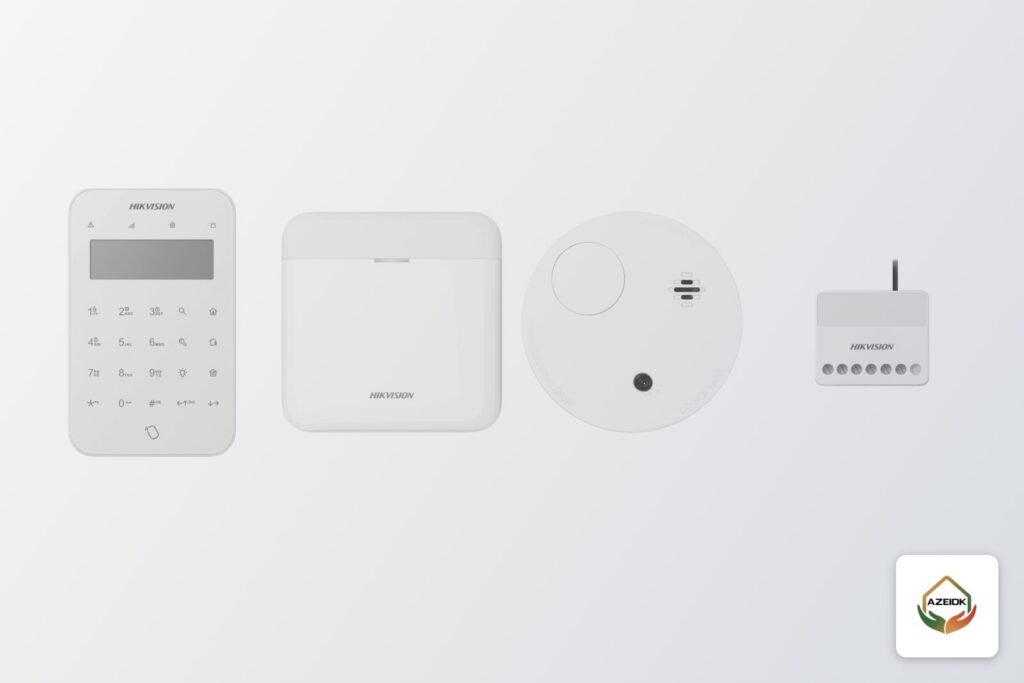
- Alarm: the enclosed store and showroom may need a fire alarm system depending on area and the approved design, supplied through AZEIDK fire alarm systems.
How AZEIDK prepares a scrapyard
- Site visit of the yard, store, dismantling area and traffic routes.
- Extinguisher points and types, cameras, and alarm where needed.
- Supply and installation through technical supply and installation.
- Civil Defense file support, then an annual maintenance contract.
For the automotive sector in general see car showrooms and workshops, and requirements for new auto spare parts shops.
Frequently asked questions
Does a scrapyard need Civil Defense approval?
Yes. The document requires Civil Defense approval before the licence is issued.
Can vehicles be stacked above the fence?
No. Vehicle bodies or piles must not exceed the outer fence height, and are disposed of by crushing and recycling.
What happens to oils and batteries before parts are sold?
They are removed in a dedicated hazardous materials area, contaminated liquids may not go to drains, and drain openings have oil interceptors.
How wide must aisles between used parts shelves be?
At least 120 cm in the store and showroom, according to item 5.3.
Summary
Scrapyard safety starts with organisation: separate damaged vehicles, remove fuel, oils and batteries in a dedicated area, use fire resistant roofs, place extinguishers across the yard and install cameras under the law. To request a site visit or a quote, send your site details through the quote request form.
Related guides
- End Suction Fire Pump: Flow and Pressure Limits and When It Is Enough for Your Project
- Safety Equipment and Fire Extinguisher Shops in Saudi Arabia: AZEIDK Showrooms in Jeddah, Riyadh, Dammam, Makkah, Taif, Buraydah, Khamis Mushait and Jazan
- Dry Pipe Sprinkler System: Dry Pipe Valve, Air Compressor and Water Delivery Time
- Data Center CCTV Cameras: Where to Place Cameras Across Aisles, Racks and Entrances, Storage and Access Control Integration