On many Saudi projects the consultant does not stop at approving the datasheet. They ask for material samples or a mock-up before final approval. A sample shows the actual product; a mock-up shows how it looks once installed with the rest of the ceiling or wall. This guide is for contractors and consultants on fire protection and low current (ELV) projects, and explains when samples are requested, how to submit them and what is reviewed in a mock-up.
Key takeaways
- Samples are usually submitted with or right after the material submittal, and tied to its number.
- The approved sample is kept on site as the reference later deliveries are compared with.
- A mock-up tests coordination: sprinkler, detector, speaker and camera positions against lights and diffusers.
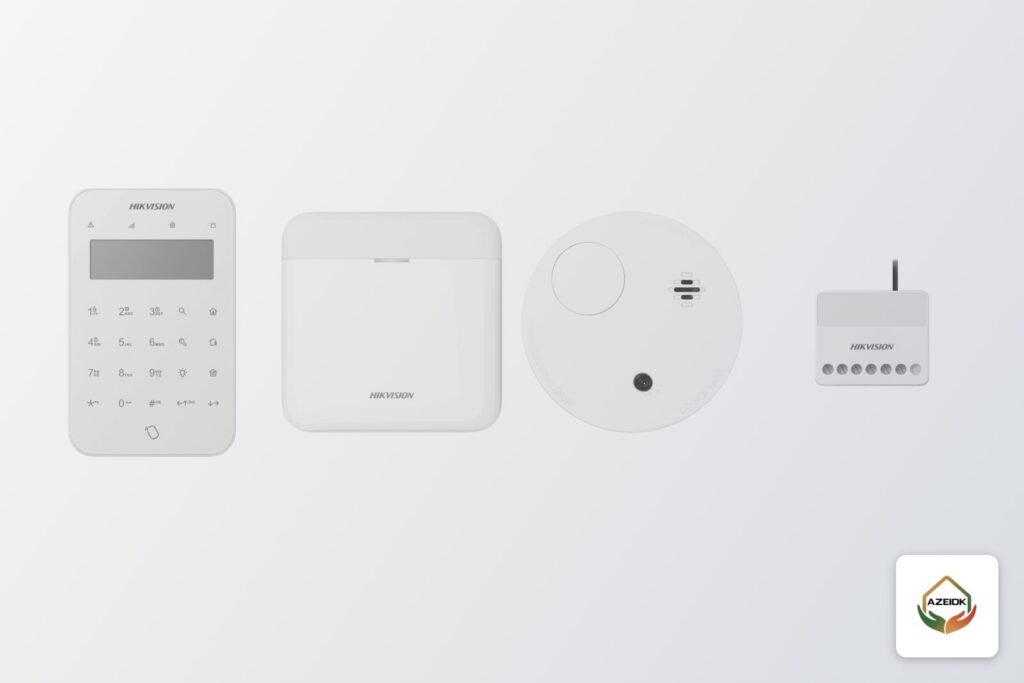
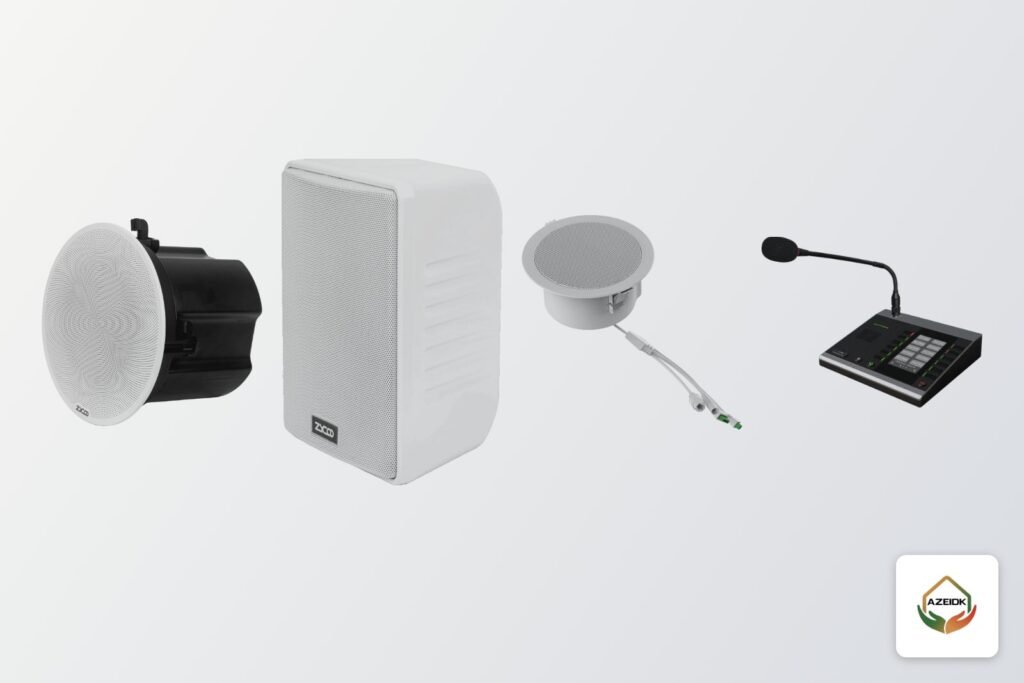
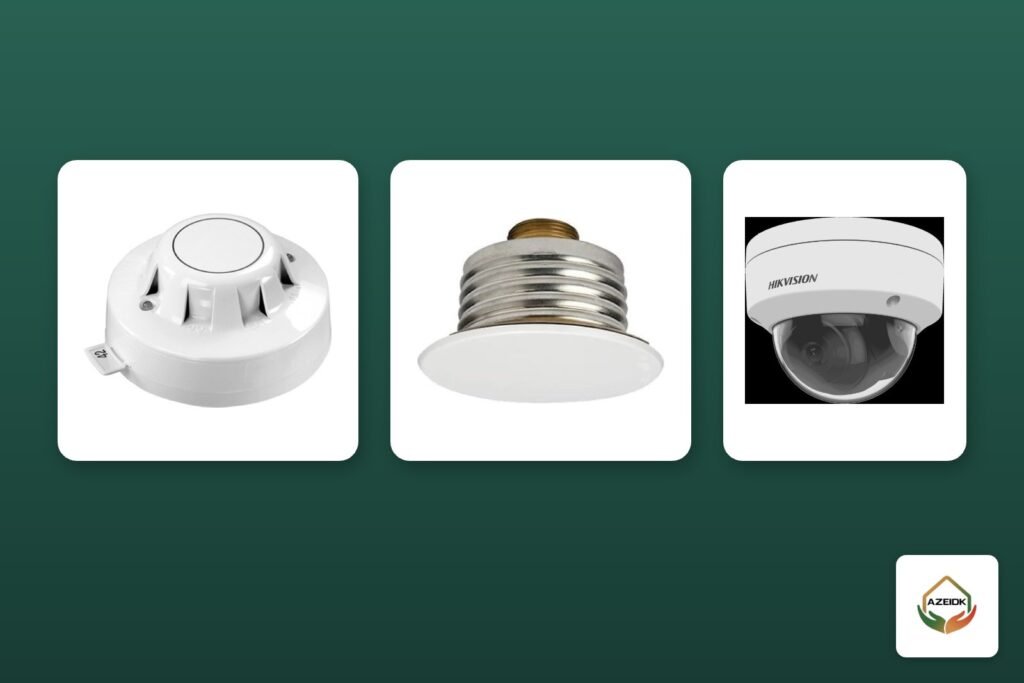
- Typical samples for visible items: concealed sprinklers, detectors, call points, speakers, cameras, readers and data outlets.
- Sample approval does not replace material approval or inspection at delivery.
In this article
Why do consultants ask for material samples?
A datasheet answers questions about performance, but not always about appearance, colour, finish and build quality. Samples are requested for components visible in finished spaces, or where the specification allows several products and the consultant or interior designer wants to see them before choosing. On some projects the sample also confirms that the marks and data printed on the product match the submitted documents.
Where samples sit in the approval route
- Material approval by documents, as in Material Submittal for Fire and Security Equipment.
- Sample submission with a transmittal carrying the submittal number.
- Sample approval, a signed sample tag and storage in the site sample room.
- Mock-up, where the specification calls for one.
- Delivery and material inspection against the approved sample, as in Material Inspection Request (MIR) for Fire and ELV Materials.
Which items usually need samples?
| System | Sample examples | What is reviewed |
|---|---|---|
| Sprinklers | Concealed or recessed sprinkler, cover plate, escutcheon | Cover colour and size against the ceiling, model and temperature rating |
| Fire alarm | Smoke or heat detector with base, call point, sounder strobe | Colour and shape, listing marks, fixing method |
| PA and voice evacuation | Ceiling speaker | Appearance with the ceiling grid, cut-out size |
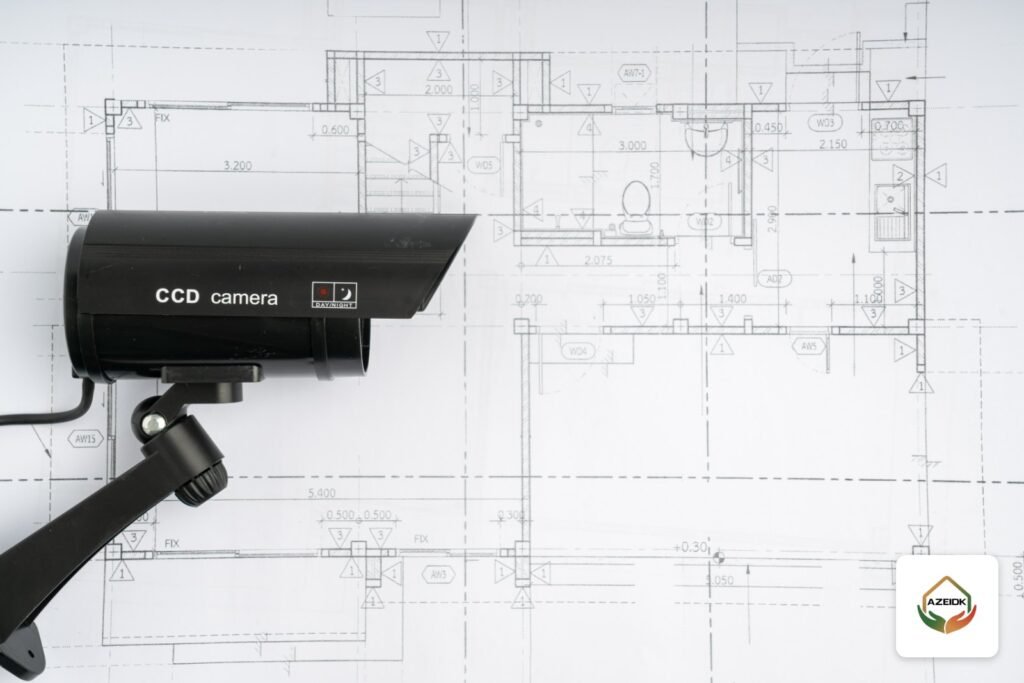
| CCTV | Dome or bullet camera with mounting bracket | Appearance and colour, mounting, model |
| Access control | Reader, exit button, lock | Finish against the door and frame |
| Networks | Data outlet faceplate, cable sample | Colour against the electrical accessories, cable category printed on the jacket |
AZEIDK supplies products from brands such as Context Plus for fire alarm, Hikvision for surveillance and Tyco for sprinklers, and you can ask about supply of the models approved for your project.
How to submit a sample that is approved first time
- Attach a transmittal stating the submittal number, model, supplier and the area where it will be used.
- Submit the sample exactly as it will be supplied, without modification or extra paint.
- Tag each sample with name and model, leaving space for the consultant’s signature and approval status.
- Where colour or finish options exist, submit them together so the consultant chooses once.
- Keep a copy of the datasheet with the sample in the sample room.
Mock-up: what is reviewed?
A mock-up is a small part of the building built to final finish, such as a hotel room, an office or a length of corridor, to approve appearance and coordination before full installation. For fire and low current systems it covers:
- Sprinkler and detector positions relative to lights, diffusers and speakers, as set out in the fire protection shop drawings.
- Detector distances from supply diffusers and walls under the adopted code.
- Camera field of view and coverage of the entrance or corridor.
- Mounting heights of call points, readers and exit buttons.
- Data outlet layout and wireless access point positions; coordination is covered in ELV Shop Drawings for CCTV, Network and Access Control.
Any change approved in the mock-up must be carried into the shop drawings before it is repeated across the building.
Common mistakes with samples and mock-ups
- Submitting a sample of a model other than the one in the submittal.
- Not keeping the approved sample, leaving no reference when deliveries arrive.
- Building the mock-up before drawings are approved, then changing them afterwards.
- Changing supplier after sample approval without a formal substitution; the correct route is in Fire Equipment Substitution and Approved Equal.
How AZEIDK helps
AZEIDK supports technical selection of systems and equipment and shop drawings and coordination for fire alarm and security and surveillance systems. To ask about equipment supply for your project, use the quote request form.
Frequently asked questions
Are samples required for every material?
No. The project specification lists the items that need samples, usually components visible in finished spaces.
Is the approved sample installed in the project?
Usually it is kept until the end of the project as the comparison reference, and the consultant may allow it to be installed at the last stage.
What is the difference between a sample and a mock-up?
A sample is a single product approved for appearance and build; a mock-up is a built part of the building where installation appearance and coordination between systems are approved.
Does sample approval mean the material is approved?
No. Material approval comes through the submittal; the sample adds appearance and finish, and material inspection follows at delivery.
Who pays for the mock-up?
The contract and specification decide this; the mock-up is often a separate BOQ item or part of the general works.
Conclusion
Samples and mock-ups move approval from paper to reality before a mistake is repeated across a whole building. Submit them tied to the approval number, keep the approved ones, and carry every change into the drawings, and later deliveries become easier to inspect and accept.
Related guides
- Event Hall Kitchen Fire Suppression System: Protecting Hoods and Fryers and Shutting Off Gas on Peak Nights
- Access Gates and Barriers Cost: What Drives the Price (Type, Control and Installation)
- CCTV Field of View: 2.8 vs 4 vs 6 mm Lens and DORI Distance Calculation
- ZFP Fire Alarm Panel from Context Plus: 1 to 8 Loop Touchscreen Addressable Panel, Cabinets, Printer and Expansion Cards