What are the causes of fire? A fire starts when three things meet: a source of ignition (heat), a fuel that burns, and the oxygen in the air. In commercial and industrial facilities the most common causes are electrical equipment and wiring, welding and cutting, smoking and naked flames, cooking, poor storage and waste build-up, and flammable liquids, all made worse by neglect and missing inspections.
This guide explains the causes of fire in practical terms for facility owners, facility managers and safety officers, links each cause to the control that reduces it, and shows where AZEIDK’s existing systems assessment and scope definition service helps you find the gaps before a cause becomes a fire.
Key takeaways
- Fire needs heat, fuel and oxygen; keeping them apart is the basis of prevention.
- Common ignition sources: electrical equipment, heaters, lighting, naked flames, smokers’ materials and welding sparks.
- Common fuels in facilities: paper, cardboard, wood, plastic, foam, loose packaging, waste and furniture.
- The simplest controls: separate ignition sources from flammables, stop rubbish from building up and reduce the flammable stock kept on site.
- Alarms and extinguishers do not remove the cause, but properly maintained they detect a fire early and limit its spread.
What causes a fire, in principle?
The International Labour Organization (ILO) puts it simply: fires need a source of ignition (heat), a source of fuel (something that burns) and oxygen, which comes from the air around us. This is the fire triangle, covered with the fire classes in our fire triangle and fire classes guide.
In practice, every cause of fire is a situation where heat gets close to something combustible with no barrier and nobody watching. So any fire risk review starts with two questions: what could start a fire here, and what could burn next to it?
The main causes of fire in commercial and industrial facilities
| Cause | Typical examples | Where it is common | What reduces the risk |
|---|---|---|---|
| Electrical equipment and wiring | Temporary leads, overloaded sockets, old or damaged equipment, heaters and lights next to combustibles | Offices, electrical and server rooms, warehouses | Inspection by a qualified electrician, clear space around panels and heaters, early detection |
| Hot work | Welding, cutting and grinding during maintenance or fit-out | Construction sites, workshops, factories, works in occupied buildings | Hot work permit, combustibles moved away, fire watch during and after the work |
| Smoking and naked flames | Cigarette ends, matches, lighters, candles, burners | Warehouses, back corridors, waste areas | No smoking in storage areas, a designated area away from waste, proper bins for ends |
| Cooking | Cooking oils and grease, dirty hoods, unattended burners | Restaurants, central kitchens, hotels | Kitchen hood suppression, Class K extinguisher, regular hood and duct cleaning |
| Waste build-up and poor storage | Cardboard, packaging, idle pallets, piled rubbish | Warehouses, shops, souqs | Daily housekeeping, regular waste removal, storage limits and heights respected |
| Flammable liquids and gases | Fuel, solvents, paints, welding gases | Workshops, factories, fuel stations | Smaller quantities, separate ventilated storage, no ignition sources nearby |
| Neglect and poor maintenance | Unserviced extinguishers, isolated detectors, wedged-open fire doors, blocked exits | Every type of facility | Documented inspections, a maintenance contract, an up-to-date safety log |
Electrical equipment and hot work
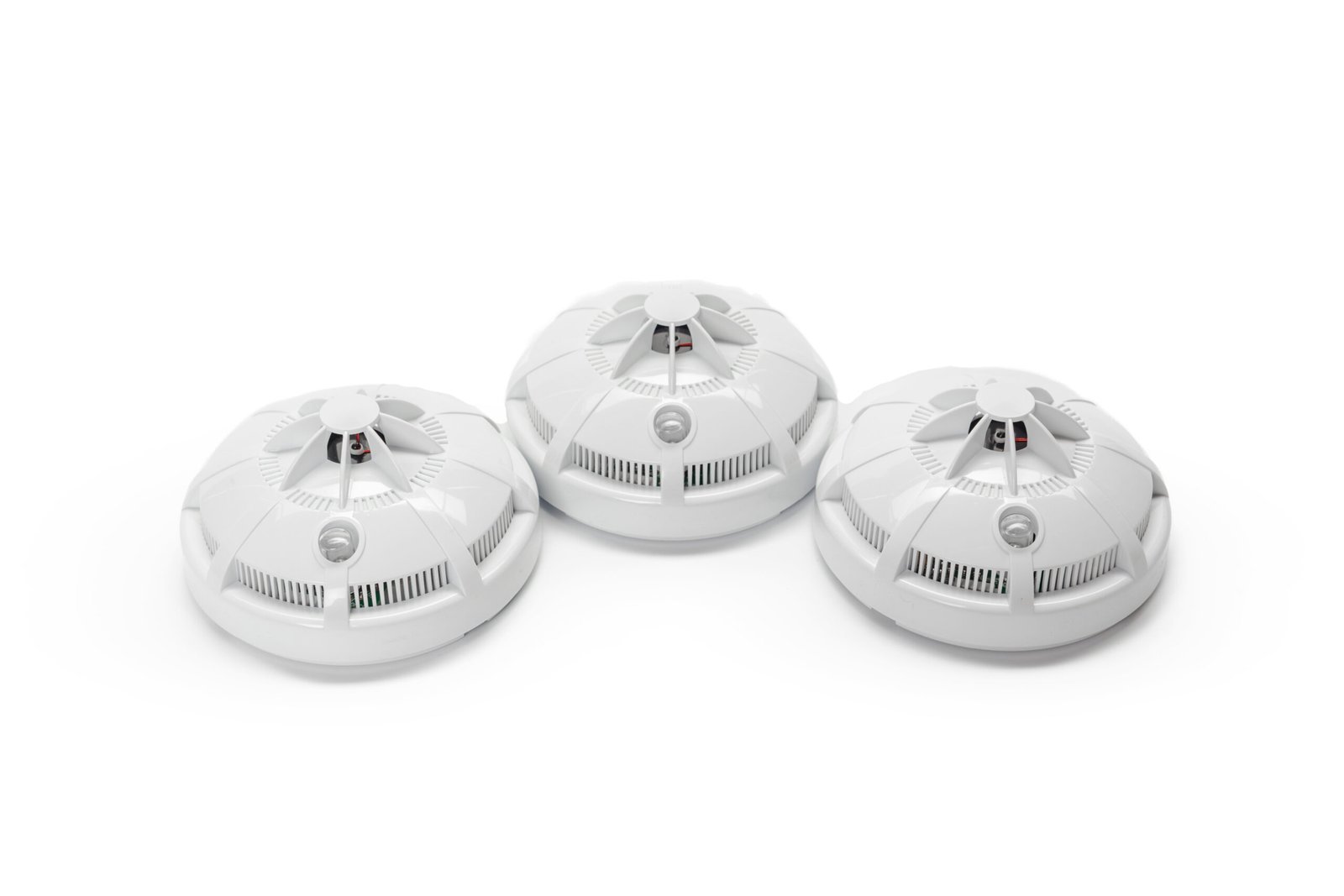
Both the ILO and the UK Health and Safety Executive (HSE) list electrical equipment, heaters and lighting among the main workplace ignition sources. On site this usually looks like daisy-chained power strips, a temporary cable under a carpet, or an electrical panel used as a shelf. The wiring itself is a job for a qualified electrician, but a fire alarm system that covers unattended technical rooms catches a fire where nobody would see it start.
Welding and cutting sparks can travel and smoulder long after the job ends. As a technical reference, OSHA 29 CFR 1910.252 requires the area to be inspected by the person who authorises the work (preferably with a written permit), combustibles to be moved at least 35 ft (10.7 m) away where practicable, fire watchers where more than a minor fire could start, and a fire watch for at least half an hour after the work is finished. When detectors are isolated during the work, follow the controls in our article on isolating fire detectors during hot work, and see fire safety on construction sites.
Storage, waste and the role of neglect
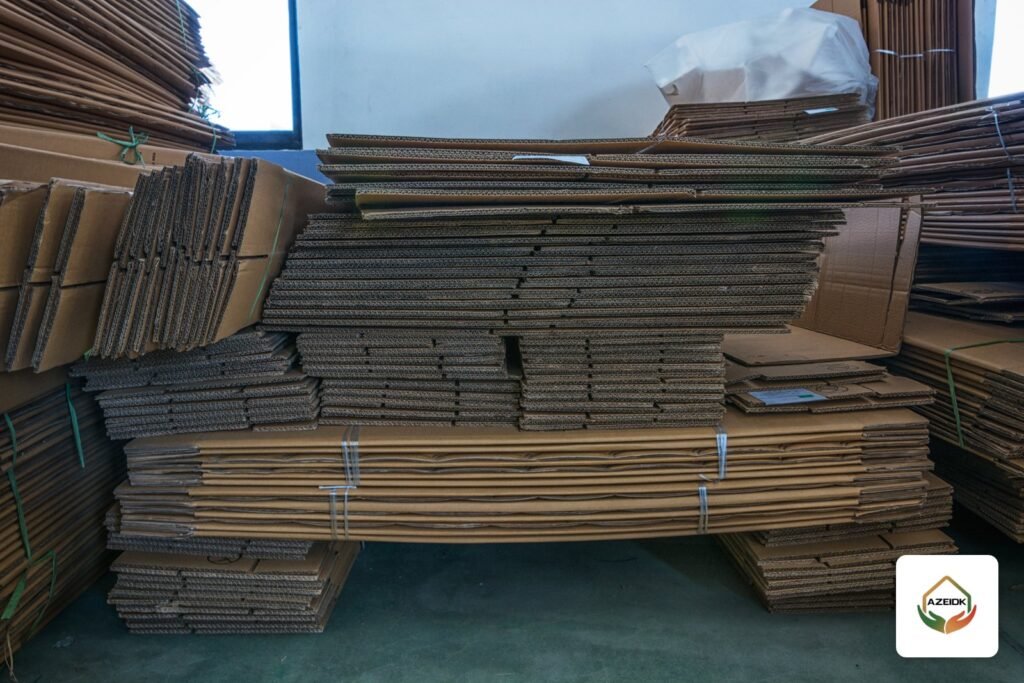
Loose packaging, rubbish, furniture, paper, plastic and foam are typical workplace fuels according to the ILO, and they need only a small ignition source. Stacked empty pallets raise the hazard in warehouses (see idle pallet storage), and fire spreads fast between adjoining shops in souqs.
Most of these causes come from habits nobody stopped: an exit used as a store, an extinguisher not checked for years, a fire door wedged open. The fix is managerial first: someone accountable, a regular walk-round with a checklist and a documented safety log and maintenance records.
Fire prevention measures for a facility
- Carry out a fire risk assessment and update it when the activity or storage changes.
- Keep ignition sources and flammable materials apart.
- Keep good housekeeping so combustible rubbish does not build up.
- Reduce the flammable and explosive stock kept on site.
- Control hot work with a permit and a fire watch.
- Provide the right extinguishers, in place and inspected; see AZEIDK products and our extinguisher maintenance guide.
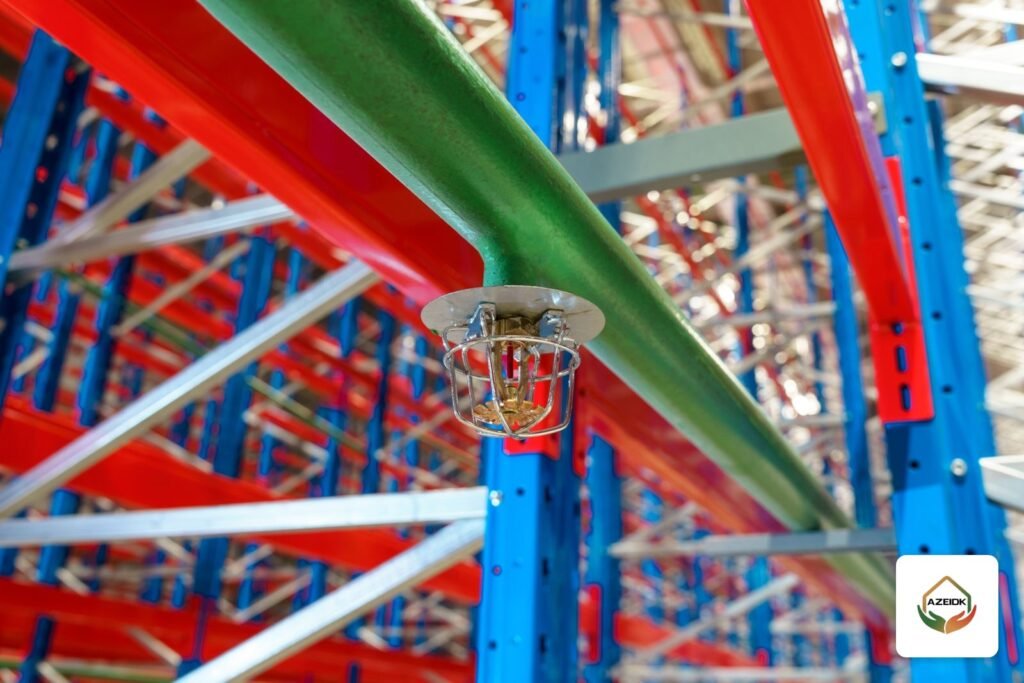
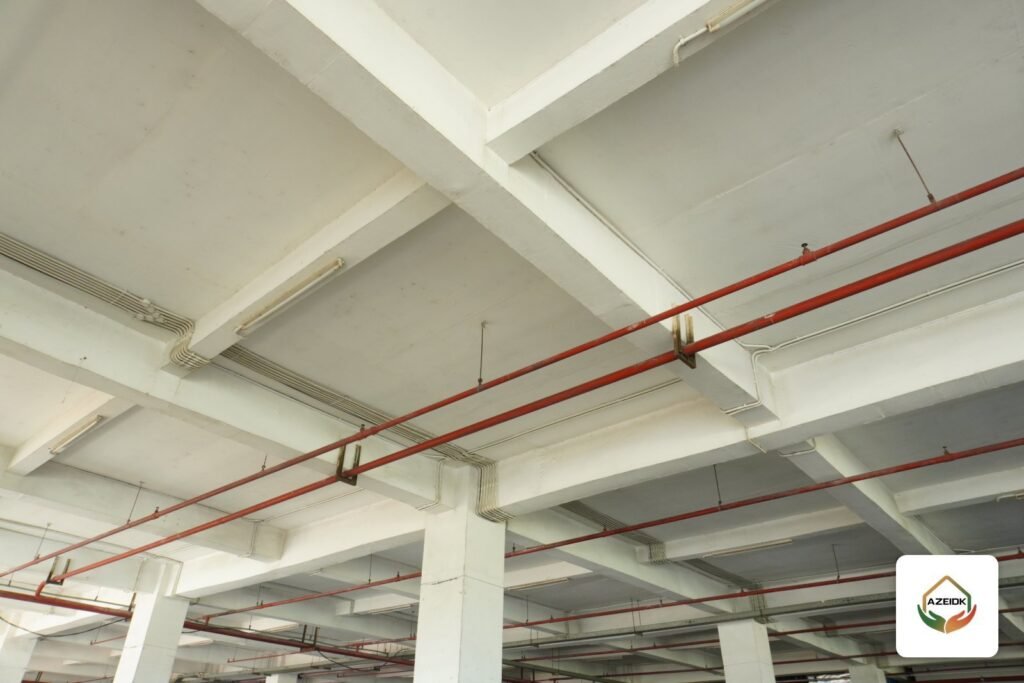
- Provide early detection and alarm, tested periodically.
- Keep exits and escape routes marked and clear at all times.
- Keep systems under a documented preventive maintenance contract.
What is binding in Saudi Arabia?
ILO, HSE and OSHA are technical references. In the Kingdom the binding requirements come from the Saudi Fire Protection Code (SBC 801) within the Saudi Building Code and from the General Directorate of Civil Defense requirements for each activity. An assessment starts from the occupancy and its code requirements, and uses the other references for detail.
How AZEIDK helps
Most fire causes sit in daily operation, so no contractor can remove them for you. Our part is technical: through the existing systems assessment we review the condition of alarm, suppression and extinguisher provision against the current use and define the missing scope, often after a technical site inspection, followed by supply, installation and maintenance. More in existing building fire systems assessment.
FAQ
What are the causes of fire?
Heat meeting a combustible material in the presence of oxygen. In facilities the usual causes are electrics, hot work, smoking, cooking, waste build-up and flammable liquids.
What are the main causes of workplace fires?
Ignition sources such as electrical equipment, heaters, naked flames and smokers’ materials, combined with fuels such as paper, cardboard, packaging and rubbish, according to the ILO.
Are carelessness and lack of awareness causes of fire?
Yes. Many fires start from neglected habits such as blocked exits, rubbish left to build up and extinguishers never checked, so prevention starts with follow-up and regular inspection.
What are the elements of the fire triangle?
Heat, fuel and oxygen. Removing any one of them prevents or stops the fire.
What measures prevent fires in a facility?
A fire risk assessment, keeping ignition sources away from combustibles, good housekeeping, less flammable stock on site, maintained extinguishers and fire alarm, and exits kept clear.
Does a fire alarm prevent fires?
No. It does not remove the cause, but it detects the fire early and warns occupants, which limits damage.
How long should a fire watch continue after welding?
OSHA 1910.252 requires at least half an hour after welding or cutting ends. In Saudi Arabia, follow Civil Defense and site requirements.
Want to know what your facility is missing? Send us the activity, area and photos of the current systems, and we will propose a site visit and an assessment of alarm, suppression and extinguisher provision with a clear scope. Contact AZEIDK
Related guides
- Paradox Hybrid Alarm System: When to Choose a Wired and Wireless Panel Such as the X45 or M25 for Warehouses and Large Buildings, and How to Place Detectors and Sirens
- Wi-Fi 7 Access Points for Businesses in Saudi Arabia: How They Differ from Wi-Fi 6 and 6E, and Models Available
- Helipad Fire Protection: Foam Systems, Monitors and NFPA 418 Requirements
- Visitor Management Systems for Companies and Compounds: Pre-Registration, Badge Printing and Integration with Gates and CCTV