An existing building fire systems assessment is a documented check of the fire alarm, sprinklers, fire pumps, hose cabinets and extinguishers in a building you are taking over, leasing or converting to a new use. It compares their condition with what the current or new occupancy needs, then sets out what to repair, replace or upgrade in a prioritised, priceable scope of work.
An investor, tenant or incoming facility manager inherits systems they did not design and whose history they do not know. Signing the lease or applying for a Civil Defense licence on the Salamah platform without that knowledge means accepting an unknown cost. This guide explains what is checked in each system, how to read the gap after a change of use, and how the findings become a scope of work, which is what AZEIDK’s assessment of existing systems and scope of work definition service delivers.
Key takeaways
- A routine maintenance report shows that devices work. It does not show that the system still suits the building after alterations or a change of use.
- NFPA 25 makes the owner responsible for evaluating water-based systems before any change in occupancy, use, process or materials.
- The assessment starts with documents (as-built drawings, acceptance tests, recent maintenance reports) and then a site inspection of each system.
- Findings are graded as impairments, deficiencies or observations, and each grade carries a different priority.
- The practical output is a scope of work that states, for every item, repair, replace or upgrade, and why.
In this article
- How is an existing building fire systems assessment different from a maintenance report?
- When do you need an assessment of existing systems?
- The regulatory frame in Saudi Arabia
- Stage one: what do the documents reveal?
- Stage two: what is checked in each system?
- How do you read the gap after a change of use?
- Repair, replace or upgrade?
- How is the scope of work prioritised?
- Common mistakes
- FAQ
- Conclusion
How is an existing building fire systems assessment different from a maintenance report?
Periodic inspection and testing asks one question: does each device work as it should? An assessment asks whether the system as a whole still fits this building as it is now built and used. NFPA 72 (2025 edition), in its Chapter 14 on inspection, testing and maintenance, states that testing personnel are not required to evaluate the design adequacy of a previously approved existing system, because they cannot be expected to know the original design intent. Where they notice a building change that affects performance, such as new partitions that alter detector spacing, it is appropriate to report it to the owner as an “observation”.
A building can therefore have clean maintenance reports and still be under-protected. For the routine programme and its frequencies, see our guide to inspection, testing and maintenance of fire protection systems in Saudi Arabia; this article does not repeat it.
When do you need an assessment of existing systems?
- Before buying or leasing: to know the repair cost before negotiating price, lease term and who pays for what.
- Before a change of use: offices to warehouse, a shop to a restaurant, or adding storage of combustible materials.
- When a new facility manager takes over: before signing a maintenance contract for systems in unknown condition.
- Before applying for or renewing a Civil Defense licence: to close gaps before the inspection, not after it.
- After a long shutdown or repeated faults: a building closed for months, or an alarm panel with frequent false alarms.
In its chapter on owner responsibilities, NFPA 25 requires the water-based system to be evaluated when the occupancy, use, process or materials change, to confirm it can still protect the building, and requires corrections where it cannot. This evaluation sits outside routine inspection, testing and maintenance.
The regulatory frame in Saudi Arabia
The 2024 edition of the Saudi Building Code, including the Saudi Fire Code SBC 801, has been mandatory since 30 June 2025. Chapter 9 of SBC 801 covers fire protection systems, and the Saudi Building Code system also includes the Saudi Existing Building Code, SBC 901. Its 2018 edition has a chapter on change of occupancy and chapters on alterations, so the requirements of the edition currently in force should be checked when an existing building changes use. Civil Defense enforces fire protection requirements throughout a building’s life, and licensing runs through the Salamah platform.
NFPA standards such as NFPA 13, NFPA 25 and NFPA 72 are technical references adopted by the designer or specified by project documents and the authority having jurisdiction; they are not automatically binding clause by clause. An assessment cannot decide what the authority will accept, but it defines the gap clearly before an inspection does.
Stage one: what do the documents reveal?
The assessment starts by requesting documents from the previous owner, the landlord or the maintenance contractor. NFPA 25 requires the owner to keep as-built drawings, acceptance test results and manufacturer data for the life of the system, and inspection reports for at least one year after the next inspection. Missing documents are a finding in their own right.
| Document | What it reveals | If it is missing |
|---|---|---|
| As-built and approved drawings | Design basis, hazard classification and protected areas | Field survey of piping and devices before judging adequacy |
| Hydraulic calculations | Design density, flow and pressure at the remote area | Adequacy for a new use cannot be confirmed without recalculation |
| Acceptance and commissioning tests | Performance at handover as a baseline | Current test readings become the new baseline |
| Recent maintenance reports | Recurring faults and deferred items | Assume no maintenance and widen the testing scope |
| Datasheets and submittals | Models, listings and spare-part availability | Read nameplates on site and check with the manufacturer |
| Panel programming and cause and effect matrix | Interfaces with lifts, HVAC and fire pumps | Full functional interface test before any upgrade is approved |
Stage two: what is checked in each system?
The site inspection does not rerun the full maintenance programme. It focuses on what drives the repair-or-replace decision.
| System | Assessment checkpoints |
|---|---|
| Fire alarm | Panel type (conventional or addressable), age and spare-part availability; fault history; batteries; detector coverage after partition changes; cabling condition; interfaces with other systems |
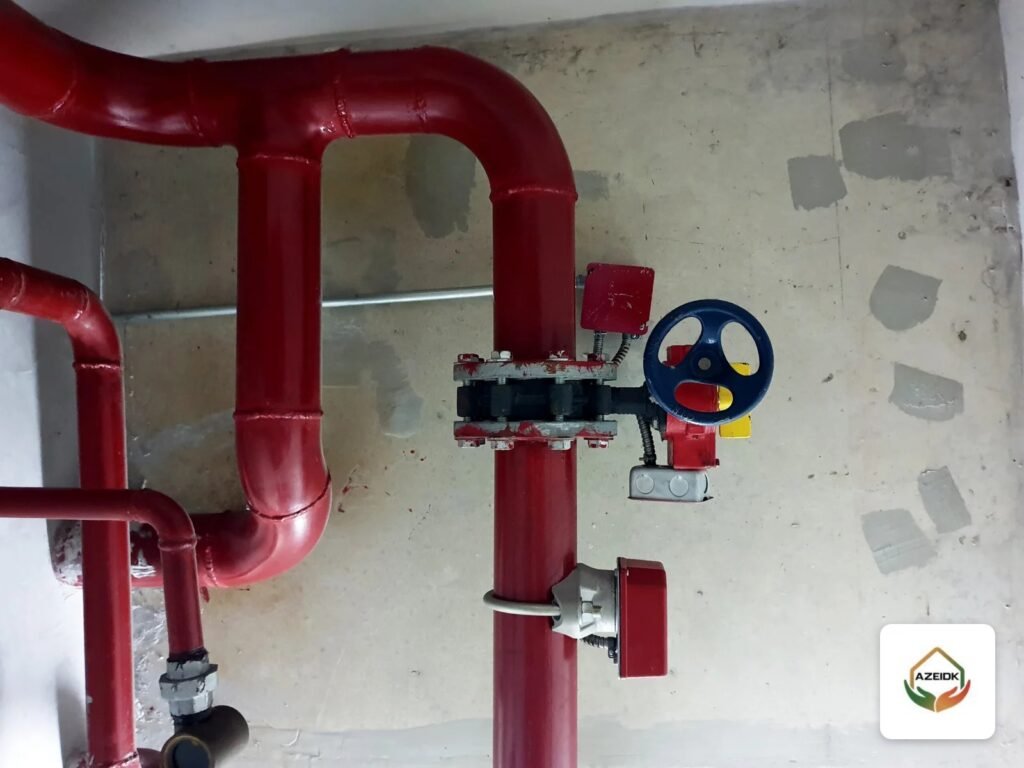
| Sprinklers and piping | Sprinkler type and manufacture date; paint or damage; clearance to stored goods; corrosion and leaks; control valve position and supervision; main drain test result |
| Fire pumps | Electric, diesel and jockey pump operation; controllers; pressure readings; last annual flow test; pump room and tank condition |
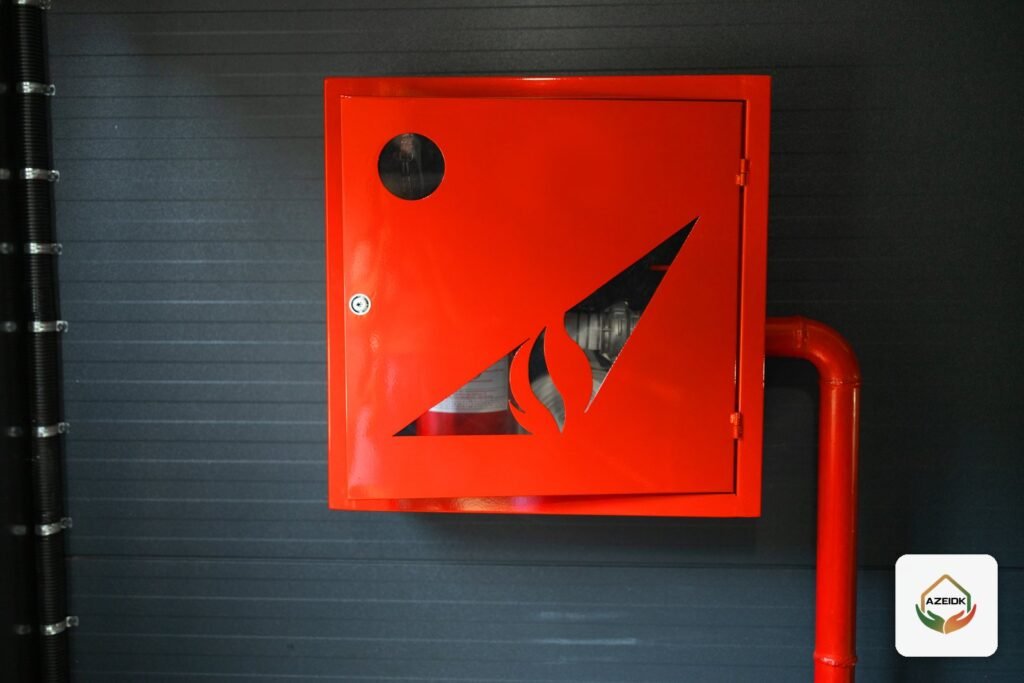
| Hose cabinets and fire department connection | Complete hoses and nozzles; landing valves; access; FDC and its check valve |
| Extinguishers | Right type for the new hazard; distribution; inspection tags; hydrostatic test dates |
| Special suppression | Gas cylinder or kitchen system condition; last service date; enclosure integrity |
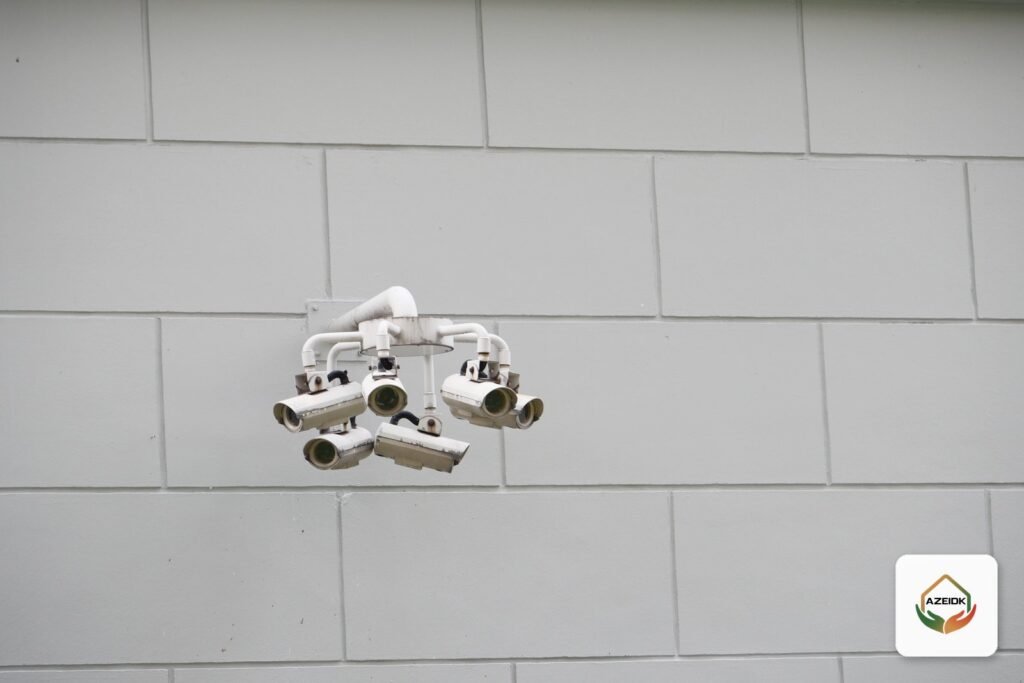
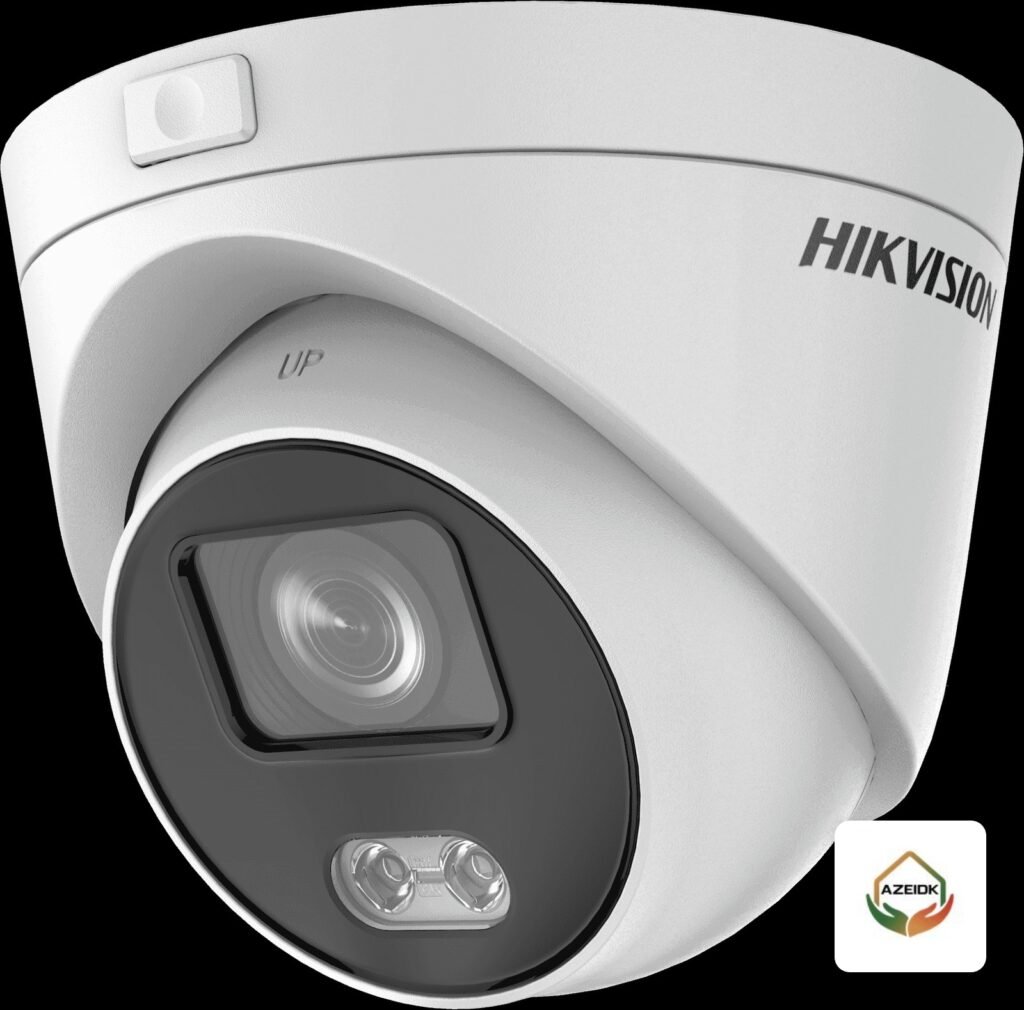
| Security | Cameras, recording and access control; door locks releasing on fire alarm |
NFPA 25 requires sprinklers to be replaced, or representative samples tested, based on time in service. Many sprinklers need this only after 50 years, but some types sooner: according to UL Solutions, dry sprinklers and certain fast-response sprinklers are tested or replaced after 20 years. The manufacture date stamped on the sprinklers, and their type, are therefore recorded for each area.
How do you read the gap after a change of use?
A change of use exposes inadequate systems more than anything else, because each system was designed for a specific hazard. Examples cited in NFPA 25 guidance include converting office or production space to warehousing, switching manufacturing to plastics, adding a mezzanine, or installing a ceiling below the sprinklers.
In these cases it is not enough that the sprinklers work. The design density and flow must be compared with the demand of the new hazard, and the fire pumps, water supply, detector layout and extinguisher types must be reviewed. Where the new use needs a different design, the gap goes to engineering design and calculations rather than being patched with spare parts.
Repair, replace or upgrade?
Each item is decided on three questions: does it work, does it suit the current use, and can it be maintained in future?
| Decision | When it fits | Examples |
|---|---|---|
| Repair | The item suits the design, parts are available and the fault is local | Replacing a faulty detector, panel batteries or a leaking coupling |
| Replace | The item is damaged, at end of life, not listed or unsupported | Painted or corroded sprinklers, a damaged hose, an extinguisher past its service life |
| Upgrade | The system works but does not suit the new occupancy or cannot be extended | Conventional to addressable alarm, sprinklers for a new storage area, a larger pump |
For the alarm panel decision specifically, including when old cabling can be reused, see upgrading an old fire alarm system. Whatever can be kept safely is kept, because it lowers cost without compromising safety.
How is the scope of work prioritised?
NFPA standards use three grades that help with ranking: an impairment stops a system from working fully or partly; a deficiency needs correction but does not disable the system; an observation is a recommended improvement that is not a violation. NFPA 25 makes the owner responsible for managing impairments under an impairment programme, set out in Chapter 15 of the standard, until they are repaired.
- Immediate: a pump that will not start automatically, a closed control valve, a disabled alarm panel. Fixed before occupancy or covered by interim measures.
- Before licensing: deficiencies that typically appear in Civil Defense inspections; see common Civil Defense inspection notes.
- Planned: upgrades driven by the new use or by obsolete equipment, scheduled in phases.
- Improvements: items that raise reliability or ease maintenance.
For every item the scope states location, quantity, decision, reason and the document or test required after the work, so it can be priced and quotations compared on the same basis. After the works, the building moves to an annual maintenance contract that starts from a known condition.
Common mistakes
- Relying on an old certificate or maintenance report instead of checking actual condition.
- Signing a lease without stating who pays for fire system repairs.
- Changing the use or raising storage height without reviewing sprinkler design and fire pumps.
- Replacing the whole alarm panel when the problem was cabling or programming.
- Fixing only the listed items without a functional test after repair.
- Deferring small faults until they pile up, as explained in the risks of deferred fire system maintenance.
FAQ
Is the last maintenance report enough instead of an assessment?
No. A maintenance report shows the devices were tested; it does not judge design adequacy for the current use. NFPA 72 states that testing personnel are not required to evaluate the design of an existing system.
Does a change of use require a fire system redesign?
Not always. The assessment shows whether the existing system covers the new hazard. If the hazard classification or storage arrangement changes, a design and calculation review is usually needed.
Does an assessment guarantee Civil Defense approval?
No. The licensing decision rests with the authority alone. The assessment finds gaps and orders their correction before inspection, which reduces the chance of findings.
What if there are no as-built drawings?
Piping and devices are surveyed on site, the missing documents are recorded as a finding, and hydraulic calculations may need to be redone to confirm adequacy.
Can parts of the existing system be kept?
Often, yes. The assessment identifies what can be kept safely, such as sound cabling or an adequate pipe network, and what must be replaced.
Conclusion
An existing building comes with systems whose history the new owner may not know. An assessment turns that unknown into a clear list: missing documents, impairments, deficiencies to clear before licensing, and upgrades the new use demands. Doing it before signing or applying for a licence puts the cost where it belongs in the decision.
Taking over an existing building or changing its use? Send us the building type, current and planned use and the documents you have, and we will arrange an assessment visit and a preliminary scope of work. Contact the AZEIDK team