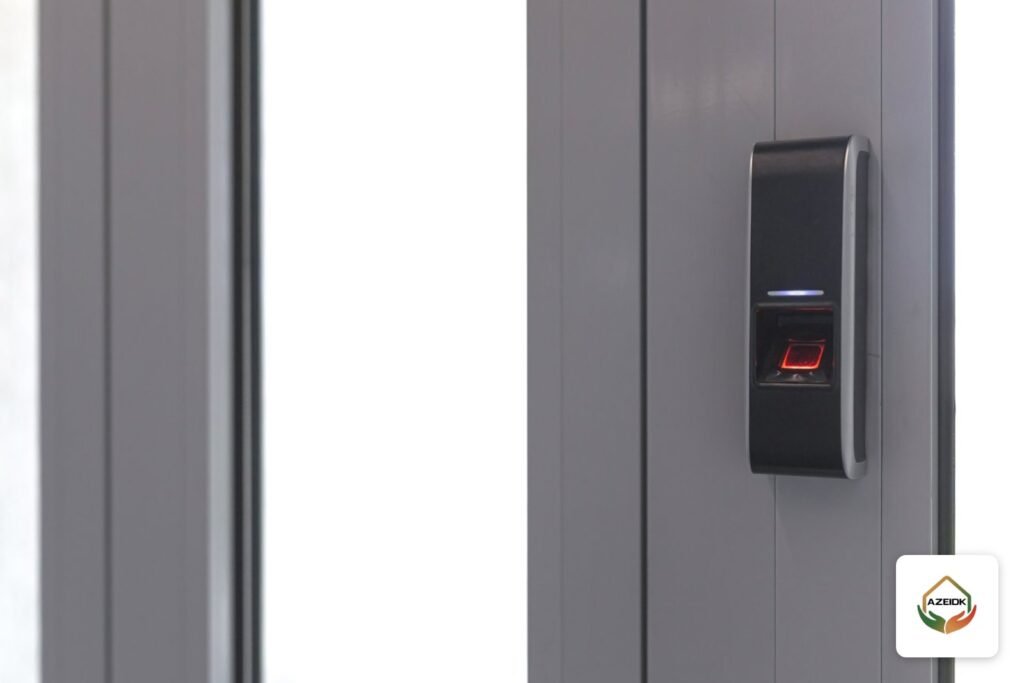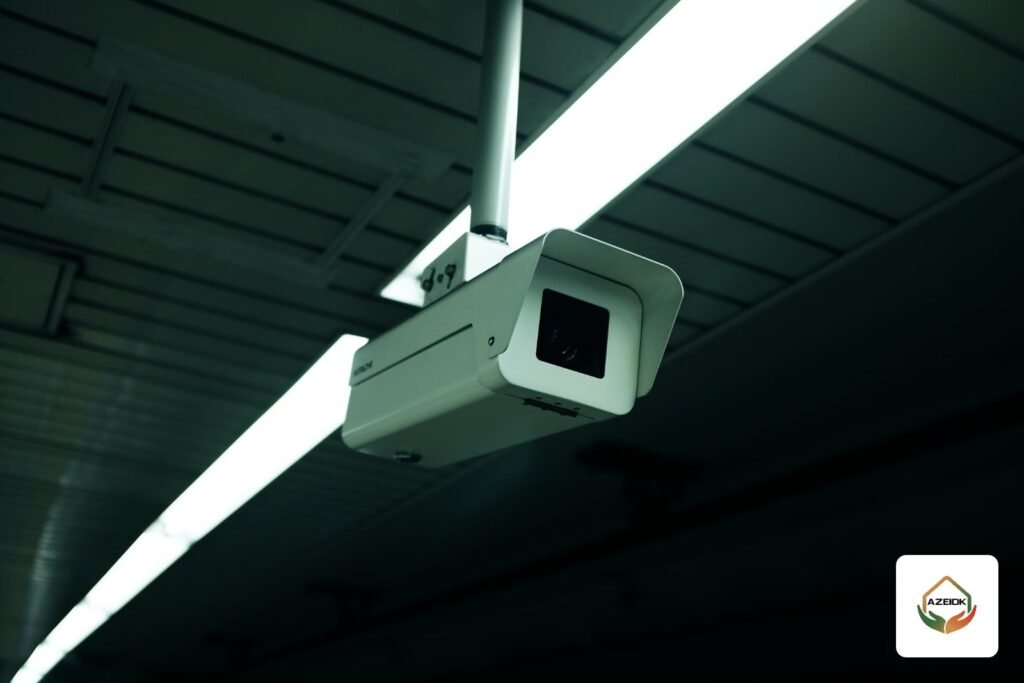
A burglar alarm system for fuel stations protects the convenience store, cashier room and store room when the station closes or runs with few staff, and gives the cashier a silent panic button. Saudi Arabia’s Fuel Stations and Service Centers Requirements call for CCTV covering the whole station but do not require an intrusion alarm. It is the owner’s decision, adding what cameras cannot do on their own: an instant alert at the moment of a break-in.
This guide covers where sensors go at a station, when wireless suits best, how the alarm links to cameras and how to avoid false alarms. For cameras, see CCTV for petrol stations.
Key takeaways
- The requirements (clause 4.8.1) call for colour CCTV covering the station and service centres with off-site backup; they do not mention intrusion alarms.
- Cameras record what happened; an intrusion alarm alerts when it happens. They work best together.
- Protection focuses on the store, cashier room, store room and electrical room, not the forecourt.
- A cashier panic button is one of the most important items for stations open at night.
- Wireless systems such as Ajax suit existing stations because they need no new wiring.
In this article
- Why add a burglar alarm system for fuel stations alongside cameras?
- Where do sensors go at a station?
- The cashier panic button
- Wireless or wired?
- Arming zones at a station that never closes
- Delivery steps at a station
- Linking to cameras and mobile alerts
- How to avoid false alarms at a station
- Service units attached to the station
- Maintenance: separate from the fire contract
- How AZEIDK helps
- FAQ
- Conclusion
Why add a burglar alarm system for fuel stations alongside cameras?
A camera records but calls nobody if no one is watching the screen. With one or two night staff, or a store that closes after midnight, a break-in can go unnoticed until morning. An intrusion alarm closes that gap: a sensor detects motion or an opened door, the panel sends an instant alert to the owner, supervisor or monitoring party, and a siren deters the intruder. Because the station already needs colour CCTV, the alarm builds on existing infrastructure, and an alert can open the camera view of the same zone.
Where do sensors go at a station?
| Location | Device | Purpose |
|---|---|---|
| Store front and back doors | Magnetic door contact | Alert when opened while armed |
| Store sales floor | Indoor motion detector | Detect movement after closing |
| Glass frontage | Glass break or shock sensor | Detect the attempt before entry |
| Cashier room or safe | Motion and door sensors, 24-hour zone if needed | Protect cash and records |
| Cashier counter | Panic button | Silent alert during a robbery |
| Store room and electrical room | Door contact or motion detector | Prevent tampering with stock and equipment |
The forecourt normally has no intrusion sensors: it is open, busy and covered by cameras. No standard device should sit inside the classified hazardous area around dispensers and fill points.
The cashier panic button
At 24-hour stations the bigger risk is robbery during opening hours, not break-ins after closing. A panic button under the counter, or carried by the attendant, sends a silent alert without a siren so staff are not put at extra risk. Program it to notify more than one person, and test it periodically after warning the recipients.
Wireless or wired?
Most existing stations were not built with intrusion alarm cabling, and chasing walls in a working store is impractical. A wireless system fits: a central hub, battery-powered sensors and a phone app for arming, disarming and alerts. AZEIDK supplies Ajax wireless systems and Hikvision systems; see Ajax vs Hikvision AX Pro. Wired systems suit stations under construction, where conduits go in during the build.
| Item | Wireless | Wired |
|---|---|---|
| Fitting an existing station | Fast, no chasing | Needs cabling |
| Sensor upkeep | Periodic battery change | No sensor batteries |
| Later expansion | Easy | Needs more cabling |
| Best for | Existing stations and small stores | Stations under construction |
Arming zones at a station that never closes
A 24-hour station is never fully armed, so the system is split into zones with independent states:
- 24-hour zone: the cashier room or safe and the electrical room, always armed and opened only with authorisation.
- Night zone: the store room and back door, armed at a set time each day.
- Closing zone: the sales floor, armed only when the store shuts.
Each attendant gets a personal code or tag, so the log shows who armed or disarmed the system and when, which helps when reviewing an incident with CCTV footage.
Delivery steps at a station
- Survey: doors, glazing, rooms, opening hours and staffing.
- Layout: the position of every sensor and panic button, and the camera paired with it.
- Installation: for wireless, usually within a working day without closing the store.
- Programming: zones, schedules, users and alert numbers.
- Handover: test every sensor and panic button, and train the supervisor and staff.
Linking to cameras and mobile alerts
Pair each sensor with a camera covering the same spot. On an alert, the supervisor opens the app and sees the image, so a real break-in can be told from a false alarm before acting. The requirements’ off-site backup of CCTV recordings also helps when reviewing a theft. For detailed design, see Ajax alarm design for shops.
How to avoid false alarms at a station
- Do not aim motion detectors at glass fronts swept by car headlights.
- Keep sensors away from AC outlets and open fridges.
- Set zones so the area where night staff work stays disarmed.
- Train staff on arming, disarming and user codes.
- Review the event log monthly to find the sensor that keeps triggering.
Service units attached to the station
Many stations include oil change and tyre shops, a car wash and a restaurant, some of which close at night while the pumps keep running. These units hold tools, oil and tyre stock and equipment, and sit away from the cashier. They can join the same system as separate zones, with a contact on the door or roller shutter, an indoor motion detector and a camera on the entrance. Where each unit has a different tenant, each tenant arms only their own zone while the owner or supervisor sees every alert.
Maintenance: separate from the fire contract
The intrusion alarm is a security and low-current system, so it is maintained with the cameras under a contract separate from the fire, safety and alarm contract. That covers sensor and panic button tests, battery changes, panel firmware and the list of users allowed to arm the system.
How AZEIDK helps
AZEIDK supplies security and surveillance systems, including Ajax and Hikvision intrusion alarms and CCTV, with supply, installation and programming. See the full sector offer on our fuel stations page.
FAQ
Is a burglar alarm required at fuel stations?
The requirements call for colour CCTV covering the station and do not mention intrusion alarms. It is the owner’s choice to protect the store and cash.
Does it work during a power or internet outage?
Modern panels have a backup battery, and some models accept an extra SIM for communication. Check the datasheet of the chosen model.
Where does the panic button go?
Under the cashier counter within easy, unnoticed reach, or as a portable button carried by the attendant.
How much does a burglar alarm for a fuel station cost?
It depends on the number of sensors, the system type and monitoring. See burglar alarm price factors or ask for a quote.
Can sensors be fitted at the dispensers?
Not recommended. The forecourt is open and busy, covered by cameras, and no device unsuitable for the hazardous area should go there.
Can several stations be followed from one app?
Yes, with modern wireless systems the owner adds each station to the app and receives its alerts with the site and zone name.
Conclusion
A burglar alarm for fuel stations complements the CCTV the requirements call for: it protects the store, cashier room and store room, gives the cashier a silent panic button and alerts the owner at the moment of a break-in. Use wireless for existing stations, pair each sensor with a camera, and set zones to cut false alarms.
Want to protect your station store? Send us the store layout and opening hours, and we will propose sensors, locations and camera links. Contact AZEIDK
Related guides
- Fire Protection Shop Drawings: Content and Approval
- Wedding Hall, Event Hall and Istiraha Safety Requirements in Saudi Arabia: Alarm, Extinguishers, Emergency Lighting, Exits and Salamah Licensing
- NFPA 10 Guide: Choosing, Placing and Inspecting Extinguishers
- NAQUA Saudi Arabia: Seafood Plant and Warehouse Fire Safety