Sugar factories in Egypt, whether they process sugar cane in Upper Egypt or sugar beet in the Delta and Fayoum, combine several hazards on one site: fine, explosive sugar dust on packing lines and conveyors, bag stores and silos, and boilers and workshops. What makes a sugar factory fire so dangerous is dust explosion, because it starts in an enclosed space and then lifts the dust settled around the building so explosions follow one after another. This guide explains the hazard through a documented case, then what a plant needs in prevention and protection.
The protection systems mentioned here are part of the fire fighting systems and fire alarm systems supplied by AZEIDK Egypt.
Key points
- Sugar dust can explode when enough of it is airborne inside an enclosed space and meets an ignition source.
- In the 2008 Imperial Sugar refinery disaster in the United States, the first explosion likely started in an enclosed conveyor under the silos, probably ignited by an overheated bearing.
- The root cause was continuous sugar release from poorly designed and maintained equipment, plus weak housekeeping.
- Prevention starts with housekeeping, leak control and conveyor and bearing maintenance, followed by early detection, a hydrant network, a fire pump and a practised evacuation plan.
A documented case: what happened at Imperial Sugar?
On 7 February 2008, sugar dust explosions and fires hit the Imperial Sugar refinery in Port Wentworth, Georgia, killing 14 workers and injuring 36, many with serious burns. The U.S. Chemical Safety Board (CSB) report found that:
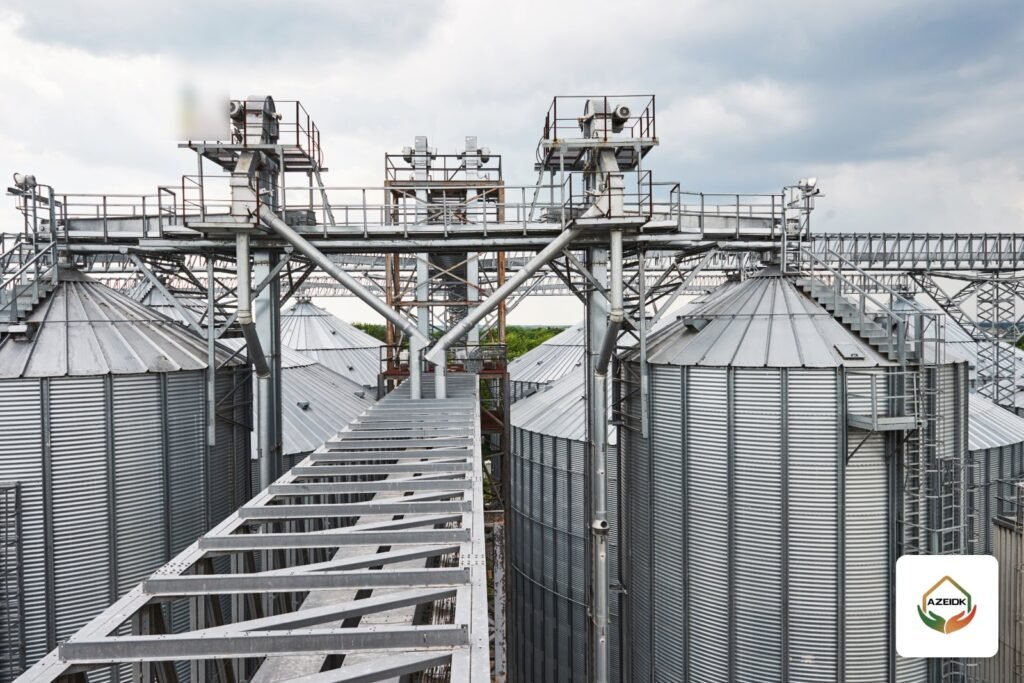
- The first explosion likely occurred in a sugar conveyor beneath two large silos. The conveyor had recently been enclosed with steel panels, creating an unventilated space where dust could reach an explosive concentration.
- The likely ignition source was an overheated bearing.
- Dust built up through continuous sugar releases from poorly designed and maintained dust collection equipment, conveyors and handling systems, combined with weak housekeeping, with spilled sugar knee-deep in places.
- No evacuation drills had been held, and the explosions disabled most emergency lighting.
The lesson for any sugar plant in Egypt: an explosion does not need a large dust cloud from the start. A small primary explosion in an enclosed space can lift the dust settled on surfaces and beams, which then ignites as well.
Where the hazards are in a sugar plant
| Area | Main hazard | What to watch |
|---|---|---|
| Conveyors and bucket elevators | Sugar dust in enclosed spaces, bearing and belt friction | Bearing maintenance, belt alignment, ventilation, leak control |
| Silos and packing lines | Airborne dust during filling and discharge | Dust collection at source and regular cleaning |
| Bag stores | Large quantities of combustible goods in high stacks | Clear aisles, hydrant network and early detection |
| Boilers and electrical rooms | High heat and electrical panels | Separation from dusty areas and suitable extinguishers |
| Maintenance workshops | Welding and cutting near dusty areas | Hot work permits and cleaning before work starts |
OSHA’s grain handling page lists similar ignition sources that apply to any food dust: a hot bearing, an overheated motor, a misaligned conveyor belt, and welding, cutting and brazing.
Prevention before any protection system
- Housekeeping: a written programme to remove dust from floors, beams and equipment surfaces, with priority for high areas that are easy to miss.
- Leak control: fix leaks from conveyors, transfer points and dust collectors at once rather than cleaning up every day.
- Enclosed spaces: do not enclose conveyors with panels without a ventilation and dust collection review.
- Maintenance: monitor bearing temperature, belt alignment and motors.
- Hot work: prior permit, area cleaning and nearby equipment stopped.
- Evacuation: regular drills, and emergency lighting and exit routes that do not depend on a single source.
Protection systems for the plant
Alarm and early detection
An addressable fire alarm system covering stores, electrical rooms and production halls, such as Context Plus panels and detectors, with the detector type chosen for each area’s environment. In high stores, beam detectors such as TANDA are useful.
Hydrant network and fire pump
A plant of this size needs an external hydrant network around the buildings and internal hose points in halls and stores, fed by a fire pump with enough water storage, such as 3PUMP pump sets, American Fire Control hydrants and valves, Falcon Gold hose cabinets, and a fire department connection at the site entrance.
Extinguishers
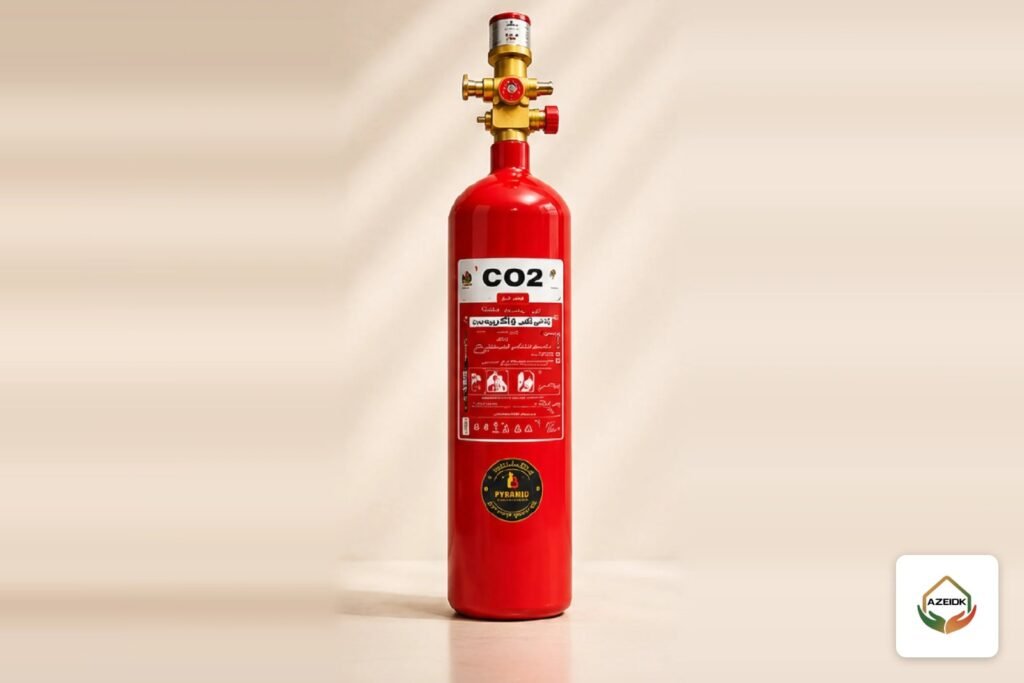
Multi-purpose powder extinguishers in halls and stores and CO2 extinguishers beside electrical panels, from PYRAMID. The approved design sets their number and locations.
Dedicated dust explosion protection (explosion venting and isolation inside equipment) is a specialist engineering discipline designed with the equipment supplier to the applicable standards. Hydrants and fire alarms do not replace it.
FAQ
Is sugar itself explosive?
Stacked sugar does not explode, but its fine dust, when airborne in an enclosed space at enough concentration and meeting an ignition source, can explode, as happened at Imperial Sugar.
Do sprinklers prevent dust explosions?
No. Sprinklers and hydrants deal with fire. Explosions are prevented by dust control, ignition control and equipment design, and the measures complement each other.
What should a plant review first?
Dust build-up on beams and equipment, enclosed conveyors, bearing condition and hot work permits, then the condition of the hydrant network and fire pump.
Summary
The biggest hazard in a sugar plant is sugar dust in enclosed spaces, and preventing it starts with housekeeping, maintenance and leak control. Then come early detection, a hydrant network, a fire pump, extinguishers and a practised evacuation plan. See also fire protection for food factories and Civil Protection approval for industrial projects.
Want the fire protection of a sugar plant or bag store reviewed? Send the layout, store areas and storage height, and the AZEIDK Egypt team will propose the right design. Contact AZEIDK Egypt
Sources
- Final CSB Report on Imperial Sugar Disaster, U.S. Chemical Safety Board
- Grain Handling, OSHA
Related guides
- Call to Localise Fire Pump Manufacturing in Egypt and Share Fire Stations Between Factories (September 2026)
- Laundry and Dry-Cleaner Fires in Egypt: Dryer Lint, Oil-Contaminated Fabrics, Solvents and the Right Extinguishers
- Tyre Shop and Tyre Warehouse Fires in Egypt: Why They Are Hard to Put Out and What Protects the Store
- Intersec Europe 2027: New Frankfurt Fair Includes Fire Detection. What It Means for Projects in Egypt