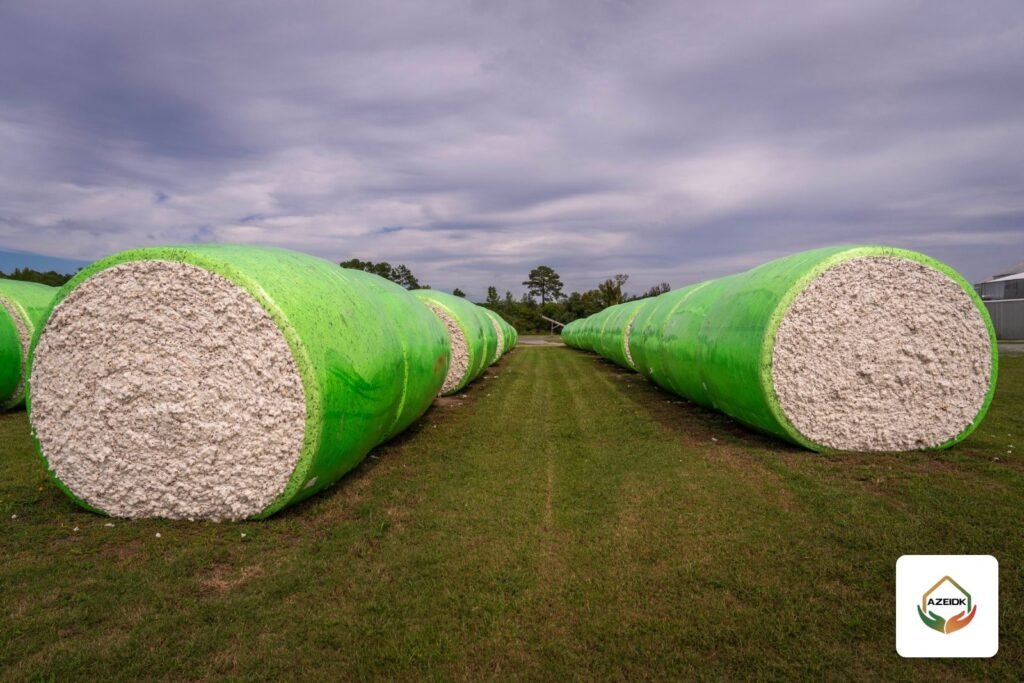
Cotton is one of Egypt’s key crops, and cotton gins and bale warehouses are spread across the Delta and Upper Egypt. A cotton gin fire or bale store fire behaves differently from most fires: it can start small inside a bale and stay hidden for hours or days, while airborne lint carries flame quickly between machines. This guide explains where fires start in gins and stores, how to handle a suspect bale, and which protection suits each part of the site. For more detail, see our guides on Fire and Explosion Protection for Flour Mills and Grain Silos in Egypt and Printing Press Fire Protection in Egypt.
The equipment mentioned here is part of the fire fighting systems, fire alarm systems and fire extinguishers supplied by AZEIDK Egypt.
Key points
- A bale can smoulder deep inside, and the UK Health and Safety Executive (HSE) notes this is almost impossible to extinguish from outside.
- Cotton lint is light and is blown about by any air current or water spray, so it must be cleaned regularly from machines, ledges and light fittings.
- Foreign metal objects in the cotton can spark against rotating parts, and electrical faults are a major ignition source.
- A suspect bale is isolated, marked and monitored for days before it returns to stock.
- A large store needs a hydrant network fed by a fire pump, early detection suited to high ceilings, and extinguishers on every aisle.
Why cotton fires are different
Cotton is a fast-burning plant fibre, and pressed into bales it becomes a dense mass that traps heat. HSE guidance for the textile industry makes two points that matter for any gin or store:
- Smouldering: some fibres support flameless smouldering that can develop into a fire later, and bales can smoulder deep inside, which is almost impossible to put out from outside.
- Airborne lint: lint is so light that even light water jets blow it about, so it is hard to extinguish and carries flame between machines and roof areas.
In practice, the risk does not end when visible flame is put out. A bale that left the press with a spark inside can be shipped to the warehouse and ignite there later.
Where gin fires start
HSE lists recurring ignition sources in fibre processing and weaving, and they are the same ones a gin manager should watch:
| Ignition source | How it happens | Prevention |
|---|---|---|
| Foreign metal objects | Nails or metal pieces in the cotton spark against rotating parts | Sorting before processing and metal traps where fitted |
| Electrical faults | Insulation failure caused by vibration in machines and cables | Regular checks of panels and cables, lint kept away |
| Hot work | Welding and cutting during maintenance | Hot work permits, and stopping at least half an hour before the end of the day as HSE advises |
| Lights and motors | Lint building up on light fittings and hot motors | Regular cleaning of high surfaces and fittings |
| Smoking | A cigarette in a storage or sorting area | Smoking only in designated areas away from cotton |
Handling a suspect bale
The National Cotton Council of America published practices agreed between gins and warehouses for bales suspected of containing fire. They are not Egyptian law, but they are a clear, practical model any gin can adopt:
- When a bale is suspect: a visible flame in the gin, a verified detection device alert, an odour of fire, or any other flame risk that could cause ignition.
- Isolate: the suspect bale plus at least two bales before and two after it from the same line, five bales in total.
- Hold: keep them under monitoring for at least five days from the date of suspicion.
- Mark: clearly on both sides with tape or tags that come off without damaging the bagging.
- Ship: deliver suspect bales during daytime shifts only, loaded at the back of the truck so the warehouse can find them.
- At the warehouse: place them in a designated area, record the location and monitor daily before returning them to stock.
Laying out the bale store
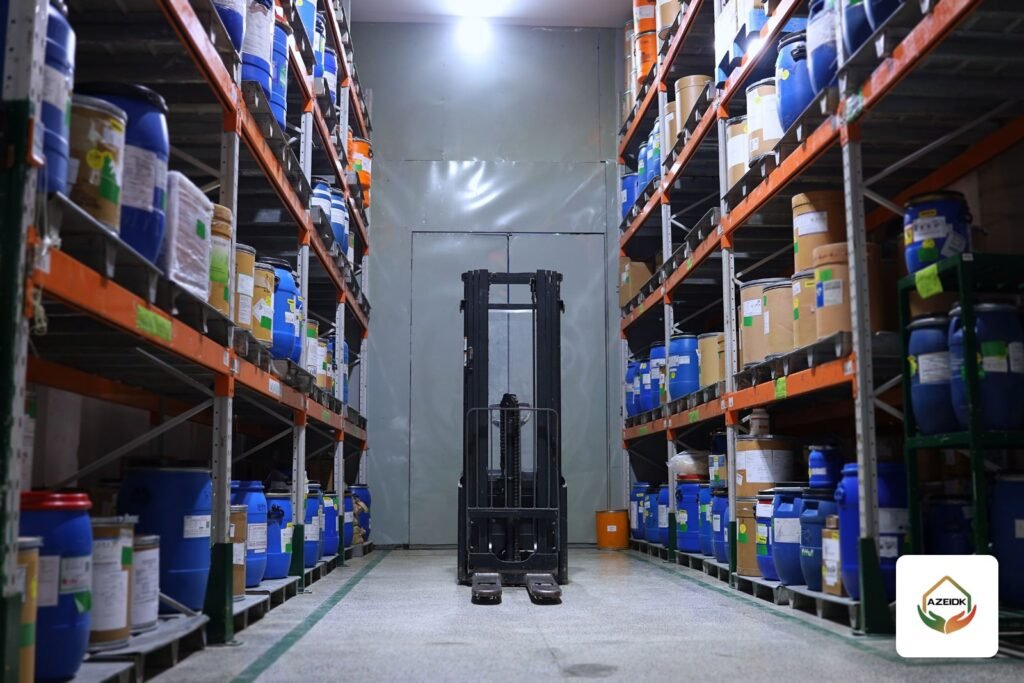
HSE notes that high, closely packed stock speeds fire spread and that rough or open edges on bales increase risk. For cotton stores this means:
- Bale rows split into blocks with clear aisles so a fire can be reached from more than one side.
- A separate suspect-bale area close to a water point.
- No flammable liquids or fuel stored with cotton.
- Electrical panels in separate rooms or away from the rows, with no temporary wiring between bales.
- Stores not placed directly under working areas, with fire separation between them as HSE advises for raw materials.
Protection for each area
Ginning and pressing halls
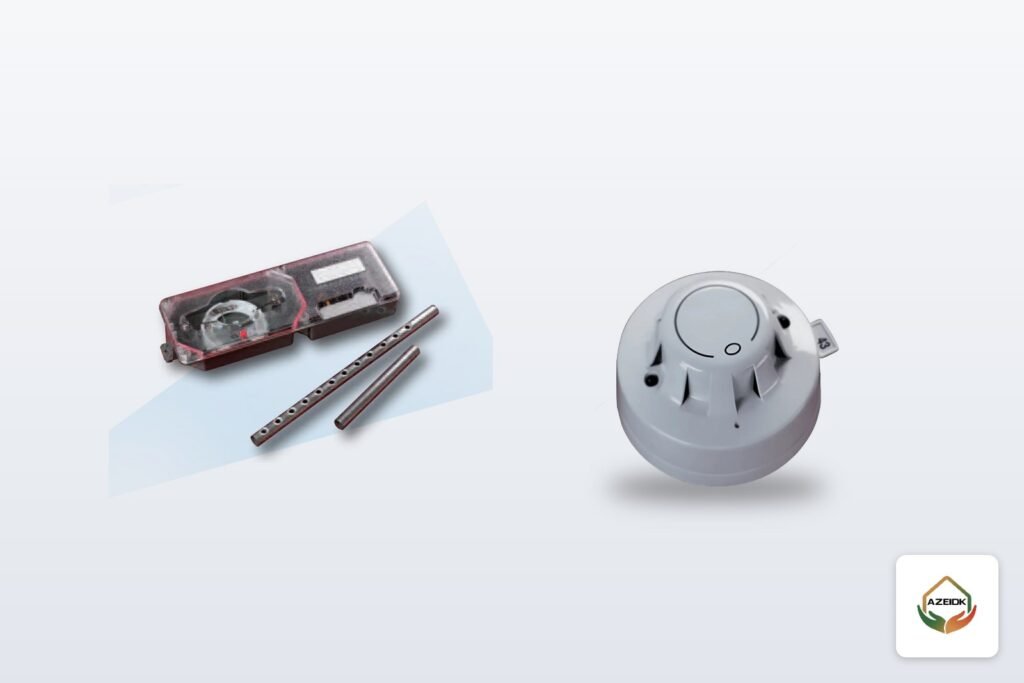
Early detection and lint control come first. Detectors are chosen for a dusty environment after a site survey and connected to a fire alarm panel such as Context Plus. Extinguishers go beside each machine and on the exit route, with internal hose points covering the hall.
Large bale warehouses
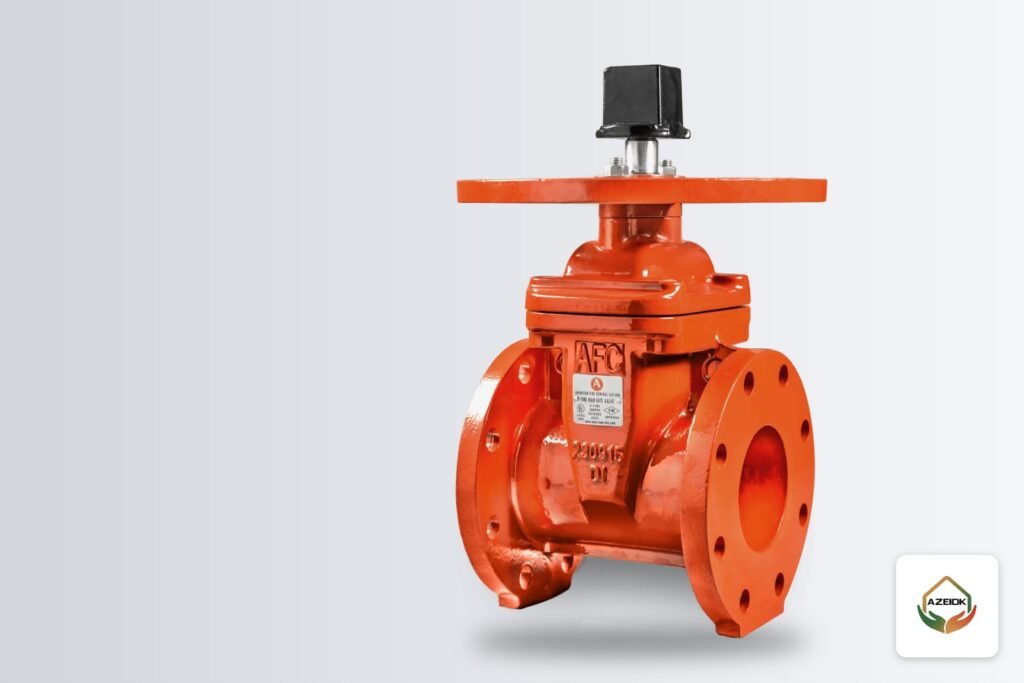
High roofs and open floor areas make beam detectors a practical choice, such as the TANDA beam detector, following the rules for beam detector spacing and layout. The core protection is an external and internal hydrant network fed by a fire pump, such as American Fire Control hydrants and 3PUMP pump sets, with hose cabinets such as the Egyptian-made Falcon Gold range and a fire department connection placed where fire engines can reach it.
Extinguishers
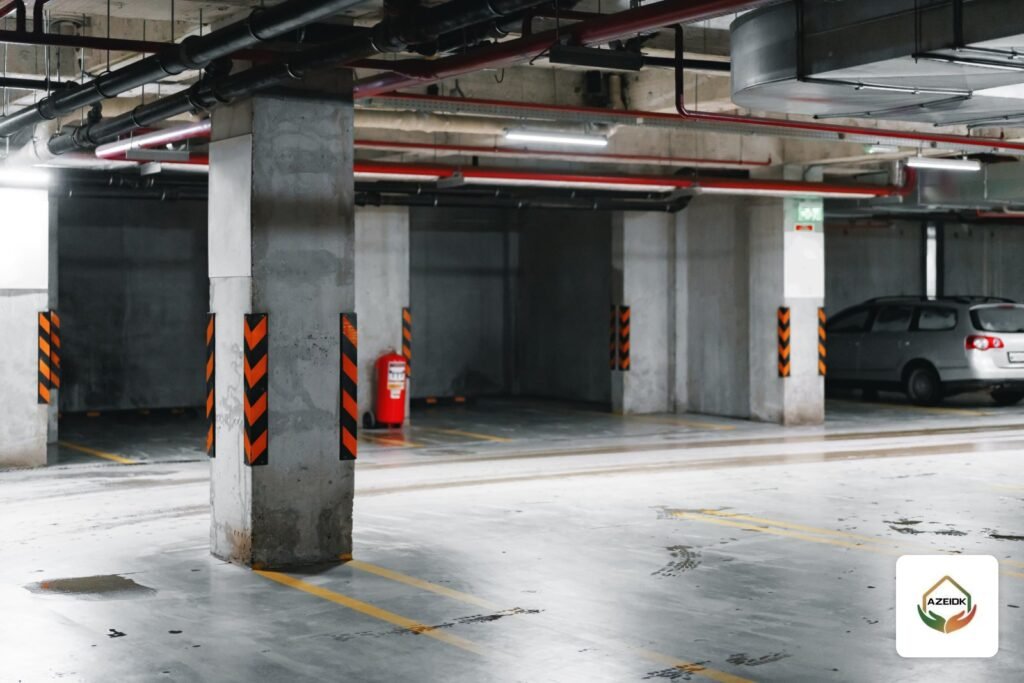
Water or multi-purpose powder extinguishers suit Class A cotton fires, and CO2 extinguishers suit electrical panels. The approved design sets the number and locations, and PYRAMID extinguishers are available through AZEIDK Egypt.
Common mistakes
- Putting out visible flame on a bale and returning it to the row without isolation or monitoring.
- Blowing lint off with compressed air while machines run, spreading it over lights and motors.
- Blocking aisles with bales in peak season so firefighters cannot reach the middle of the store.
- Relying on extinguishers alone in a large store with no hydrant network or fire pump.
- Hydrants and hoses in place but not maintained or without enough water pressure.
FAQ
Can a bale burning inside be put out with water alone?
HSE notes that smouldering deep in a bale is almost impossible to extinguish from outside, so the bale is isolated and monitored and handled by Civil Protection or a trained team.
How long is a suspect bale monitored?
The National Cotton Council practices set at least five days from the date of suspicion, which management can extend.
Does a cotton store need automatic sprinklers?
That depends on the Egyptian code and the approved design for the area and storage height. AZEIDK Egypt reviews the site and proposes the right solution.
What is the cheapest step that cuts risk right away?
Regular lint cleaning, banning smoking and unauthorised hot work, and keeping aisles between bale rows open.
Summary
Cotton fires start small and can hide inside a bale, so protection relies on housekeeping, ignition control and isolating suspect bales, followed by early detection, a hydrant network and a fire pump in the store. If the gin works with a spinning or weaving mill, see also fire protection for textile factories and warehouse fire protection.
Running a cotton gin or bale store and want the protection reviewed? Send the store area, storage height and number of ginning lines, and the AZEIDK Egypt team will set out what the site needs. Contact AZEIDK Egypt
Sources
- Textiles: Fire and explosion, Health and Safety Executive (UK)
- Fire Bale Management Practices 2024, National Cotton Council of America
Related guides
- Egyptian Customs Circular No. 6 of 2026: Release Rules for Imported Fire Extinguishers and Their Parts
- Call to Localise Fire Pump Manufacturing in Egypt and Share Fire Stations Between Factories (September 2026)
- Counterfeit UL-Marked Fire Sprinklers Found in Brazil: How Buyers in Egypt Can Check Before Installation
- Fire and Explosion Protection for Flour Mills and Grain Silos in Egypt: Flour Dust, Bucket Elevators and Silo Entry