Steel plant fire protection does not start with the product: steel does not burn under normal operating conditions. The real risk sits in hydraulic oil for presses and rolling lines, in electrical and control rooms, in cable tunnels and trenches, and in workshops and oil stores. Good protection matches each hazard with the right detection (heat, flame or smoke detectors) and the right suppression (aerosol, clean agent, or hoses and extinguishers), then adds CCTV for gates and yards.
Key takeaways
- FM Approvals states that pressurized hydraulic fluid in metal forming machines is a considerable fire hazard: released under pressure, it forms a spray that ignites easily on hot surfaces.
- Industrial fluids FM Approved to FM 6930 are classed as low hazard; switching fluid is an owner decision with the oil supplier, and it changes the protection needed.
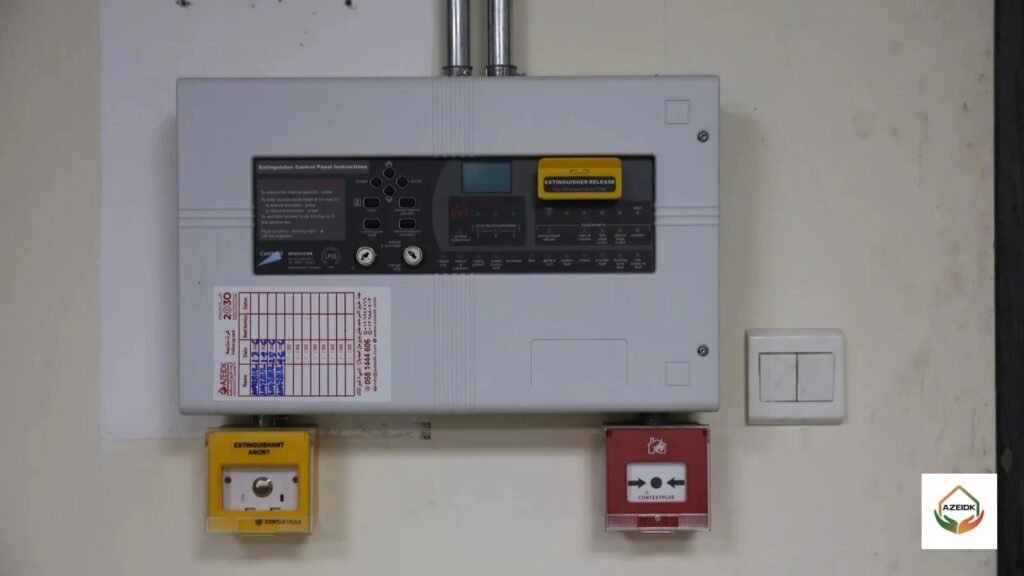
- Electrical rooms, control rooms and distribution boards are protected with early detection and condensed aerosol or clean agent suppression, depending on the room.
- Cable tunnels need detection along their length and hose access points; the fixed suppression type is the consultant’s decision.
- Some plants fall under the High Commission for Industrial Security by sector; others under Civil Defense and SBC 801.
In this article
- Where do fires start in a steel plant?
- Hazard map for steel and metal works
- Hydraulic oil: why is it the first hazard?
- Electrical and control rooms: aerosol or clean agent?
- Cable tunnels: the hazard nobody sees
- Hoses and extinguishers in production halls
- CCTV for gates and yards
- Civil Defense or HCIS?
- Maintenance: two separate contracts
- Frequently asked questions
- Conclusion
Where do fires start in a steel plant?
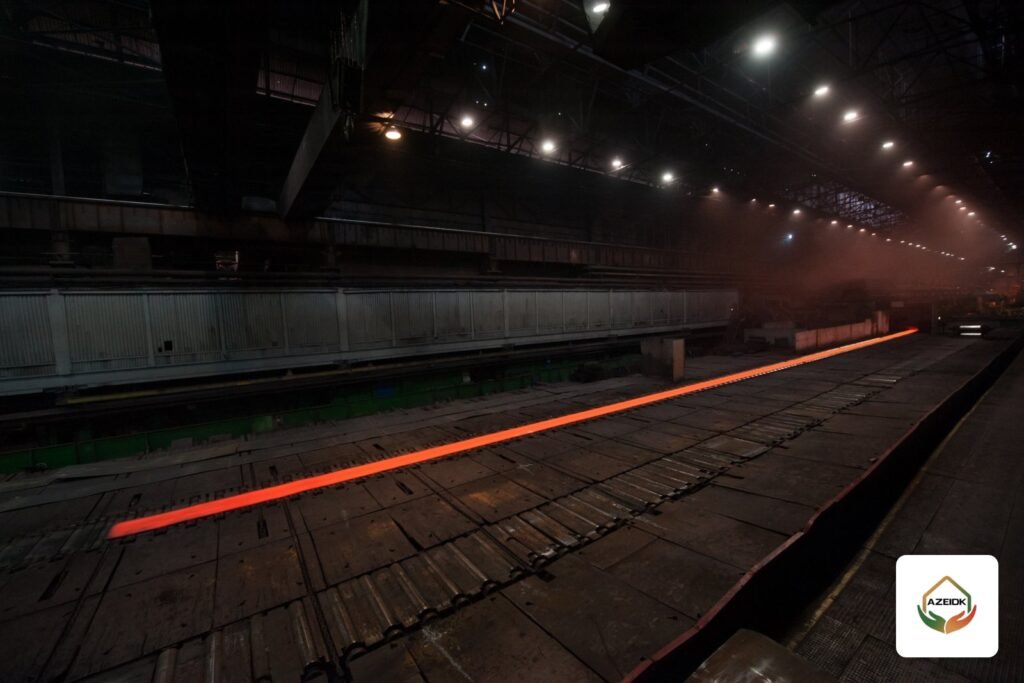
Visitors see molten metal and high temperatures and assume the furnace is the fire risk. The furnace is dangerous, but it is designed and watched for that purpose. Fires that stop production usually start with simpler things: a burst hydraulic hose near a hot surface, an overheating electrical panel, or cables coated in dust and oil in a tunnel nobody enters.
In any metal plant we start with a simple hazard map: what is combustible, where it is, and which ignition source is near it. Then each area is matched to detection and suppression. It is the same approach we use across industrial facilities, with the heat and oil specific to steel works.
Hazard map for steel and metal works
| Area | Hazard | Suggested detection | Suggested suppression |
|---|---|---|---|
| Hydraulic power units, presses, rolling lines | Pressurized oil spray reaching a hot surface | IR flame detectors or heat detectors, by location | Local application for enclosed units, nearby foam and powder extinguishers, hoses |
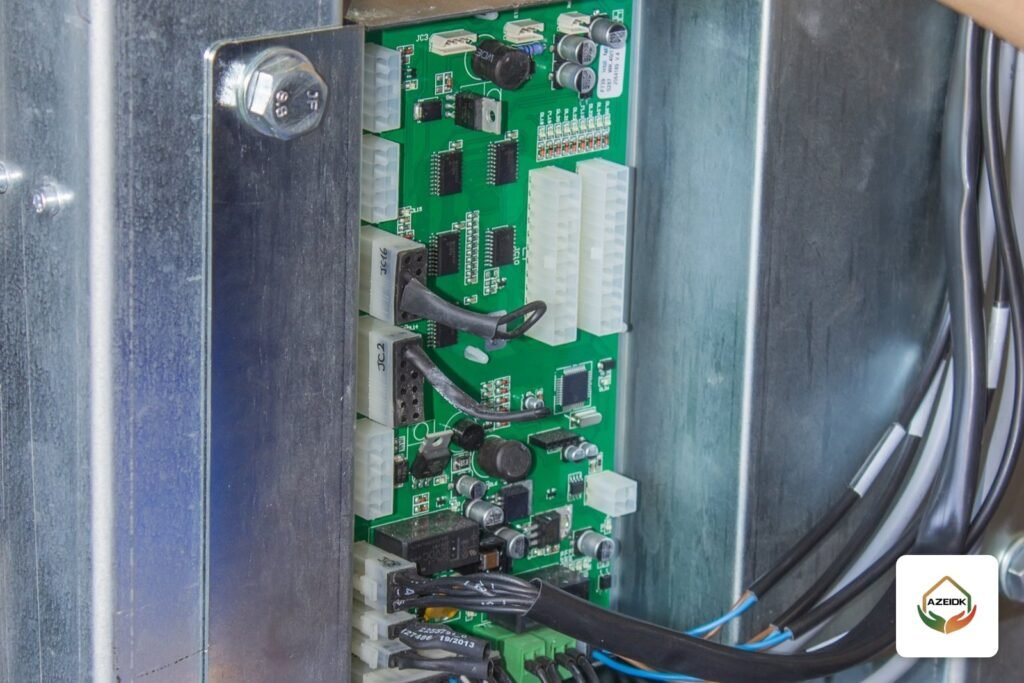
| Electrical rooms and distribution boards | Overheating terminations, insulation faults | Smoke or heat detectors, by room | Condensed aerosol or clean agent, CO2 extinguisher |
| Control and server rooms | Electronics running continuously | Smoke detectors | Clean agent |
| Cable tunnels and trenches | Dust and oil on cables, hard access | Detection along the tunnel per design | Per consultant study, with hoses at access points |
| Workshops, oil and grease stores | Flammable liquids, welding | Heat detectors | Powder and foam extinguishers, hoses |
| Warehouses and offices | Packaging, paper, furniture | Smoke detectors | Sprinklers per design, extinguishers |
The table is a starting point for discussion with the consultant, not a substitute for each plant’s approved design.
Hydraulic oil: why is it the first hazard?
FM Approvals explains that pressurized industrial fluids, such as the hydraulic fluid that powers metal forming machines, present a considerable fire hazard. Released at high pressure, the fluid forms a fine spray or mist that ignites easily on contact with hot surfaces, and a steel plant has hot surfaces everywhere. The resulting fire spreads fast and is hard to control with an extinguisher alone while the pump keeps feeding it.
There are three levels of response:
- Reduce the hazard at source: FM Approvals states that fluids approved under FM 6930 (Flammability Classification of Industrial Fluids) represent a low fire hazard and generally need no extra sprinkler protection, while Specification Tested fluids are less ignitable than mineral oil but may still need sprinklers. Changing the fluid is a decision for the owner with the oil and machine suppliers.
- Detect fast: infrared flame detectors pick up oil flames quickly in open areas around the units. AZEIDK supplies addressable IR3 flame detectors and the SFP IR3 explosion-proof detector for classified areas.
- Suppress close by: enclosed hydraulic units can take local application suppression, surrounded by foam and powder extinguishers suited to liquid fires and hoses within reach.
Where the design allows, the fire detector in these areas should also stop the hydraulic pump, because no suppression succeeds while oil is still being pumped to the fire.
Electrical and control rooms: aerosol or clean agent?
A steel plant uses a lot of power, so it has electrical rooms, distribution boards, motor control centres and central control rooms. These rooms are not protected with water; the usual choice is one of two systems within special fire suppression systems:
Condensed aerosol: the FirePro page on AZEIDK’s site lists electrical panels, distribution boards, control rooms, engine rooms, production machines, equipment cabinets, and transformer rooms per the approved design among its applications. It also notes that the system is not automatically suitable for occupied areas without design review, that model selection needs an engineering calculation rather than area alone, and that compatibility with sensitive equipment must be checked.
Clean agent: better suited to occupied or sensitive control and server rooms, for example HFC-227ea systems from Context Plus or FK-5-1-12 from SFFECO. The room must be tight enough to hold the concentration, which is checked by a dedicated test. See our clean agent suppression comparison.
Cable tunnels: the hazard nobody sees
Cable tunnels in steel plants are long, collect metal dust and oil, and are entered only for maintenance. A fire there can burn for a while before anyone notices, and cut power to whole lines. What we check:
- Detection along the tunnel, of a type that tolerates dust and heat, as part of the fire alarm system design. For heat detector selection see heat detector types and installation.
- Fire-resistant alarm cables for circuits that must keep working in a fire; see fire alarm cables and circuit integrity.
- Hose cabinets at entry and exit points, since crews attack the fire from there.
- Housekeeping: removing oil and dust is as much a part of prevention as the equipment.
The fixed suppression type inside the tunnel, if needed, is set by the consultant based on tunnel length, cable load and the authority’s requirements.
Hoses and extinguishers in production halls
Large halls need hose cabinets spaced so a hose reaches every point, per NFPA 14 or whatever the consultant adopts. The Falcon Gold cabinets AZEIDK supplies come in mild steel and stainless steel; see fire hose cabinet types and sizes. Add powder extinguishers for workshops and oil stores, CO2 units near panels, and wheeled units for large areas.
CCTV for gates and yards
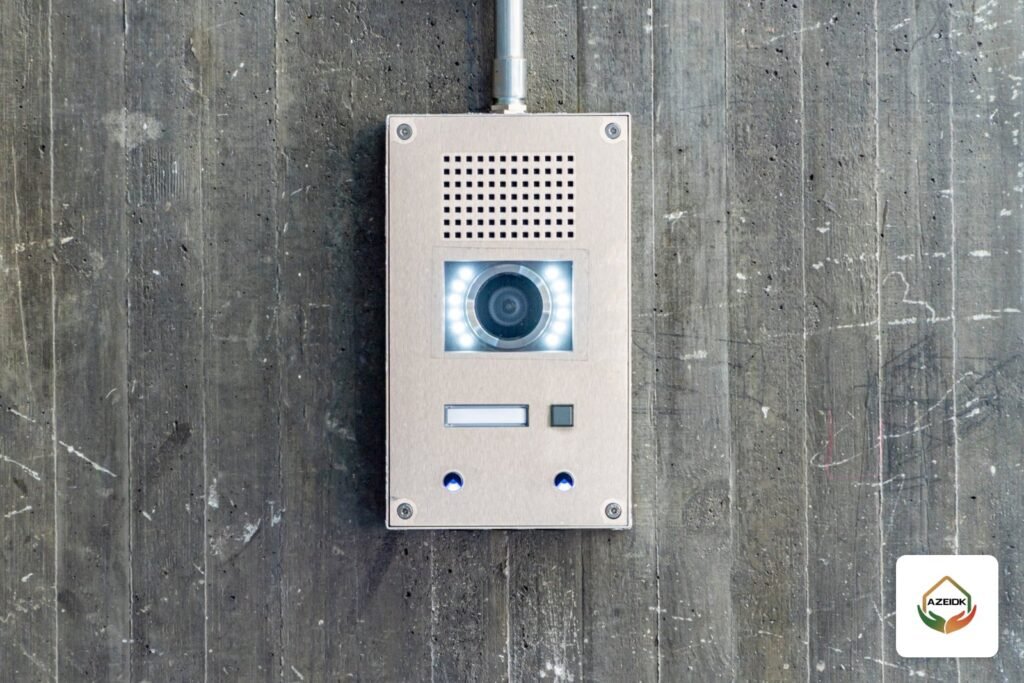
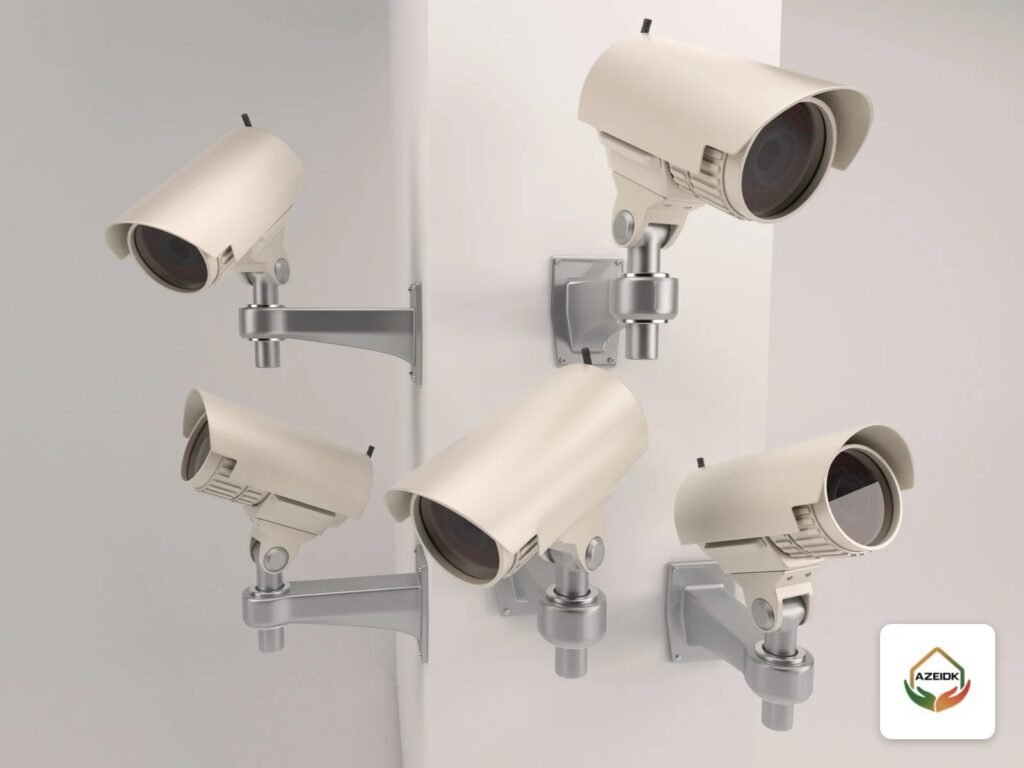
Steel plants have scrap yards, raw material and finished product areas, and gates with trucks moving all day. Cameras here serve security and safety together: logging material in and out, watching yards at night, and seeing the start of any fire in open areas. This work falls under security and surveillance systems, with cameras chosen for heat and metal dust.
Civil Defense or HCIS?
Saudipedia states that the High Commission for Industrial Security oversees facilities in thirteen sectors, including mining, chemical industries, petrochemicals and military industries, and reviews safety and fire protection projects under its Safety and Fire Protection Directives (SAF). Plants outside these sectors follow Civil Defense and the Saudi Building Code SBC 801. Confirm the authority before design. For Civil Defense sites, our Civil Defense approval support includes issuing the safety equipment installation certificate; the Salamah technical report is issued by an engineering consultancy office.
Maintenance: two separate contracts
Heat and dust in a steel plant wear out detectors, lenses and terminations faster. Fire alarm, suppression and extinguisher maintenance sit under one contract; CCTV and low-current systems under a separate one. See our annual maintenance contracts.
Frequently asked questions
Does a steel plant need sprinklers everywhere?
Not necessarily. Metal production halls may not need them in every part, while warehouses, offices and oil areas may. The consultant decides based on the adopted code and the hazard map.
What is the highest fire risk area in a steel plant?
Usually hydraulic units and presses, because leaking pressurized oil forms a spray that ignites easily on hot surfaces, as FM Approvals explains.
Is aerosol suitable for a plant electrical room?
Usually yes. The FirePro page lists electrical and distribution panels and control rooms among its applications, subject to an engineering calculation for the room volume and a review of occupancy.
What is the difference between a flame detector and a heat detector?
A flame detector sees flame radiation directly and responds quickly in open areas. A heat detector waits for the temperature to rise at its location and suits enclosed, dusty spaces better.
Does changing the hydraulic fluid reduce protection needs?
It can. FM Approvals states that fluids approved under FM 6930 are low hazard and generally need no extra sprinklers, but the change needs the machine supplier’s and consultant’s agreement.
Who issues the safety equipment installation certificate for the plant?
AZEIDK issues it as part of Civil Defense approval support after the works are done. The Salamah technical report is issued by an engineering consultancy office.
Conclusion
Steel plant fire protection starts with the hazard map: hydraulic oil first, then electrical and control rooms, then cable tunnels and workshops. Each area gets matching detection and suppression, plus CCTV for gates and yards and regular maintenance built for heat and dust.
Reviewing protection for a steel or metal plant? Send us the plant layout and main equipment list, and our team will map the hazard areas and the right detection and suppression for each. Talk to the AZEIDK team
Related guides
- NFPA 30 Flammable and Combustible Liquids Code: Storage, Tank Spacing and Foam Protection in KSA
- Fire Pump Control Panel Wiring Diagram: Electric and Diesel Controllers, Pressure Switch and Alarm Signals
- Access Controller Wiring: Reader, Maglock, Exit Button, Door Contact and Fire Alarm Lock Release
- Fire Alarm Companies in Dammam and Khobar: Choosing by Facility Type