A factory fire systems maintenance contract sets out which fire systems are inspected and tested, how often, when tests that need a system or production shutdown are scheduled, and how the plant stays protected while a system is impaired or out for repair. The main difference from residential or commercial contracts is that factories usually have foam systems, large fire pumps and hazardous areas, and every shutdown has to fit around the production schedule.
Key takeaways
- The contract covers fire systems only: fire alarm, sprinklers and piping, fire pumps, foam, hose cabinets, extinguishers and any special suppression systems.
- Inspection and test frequencies for water-based systems follow NFPA 25, fire alarm follows NFPA 72, plus the manufacturer’s instructions for each item.
- NFPA 25: diesel fire pumps run weekly without flow, electric pumps monthly where the standard allows, and an annual flow test.
- An annual foam concentrate test, listed in the NFPA 25 frequency table, with a sample analysed in a laboratory following the concentrate manufacturer’s procedure.
- Any fire system impairment is managed under NFPA 25 Chapter 15: a responsible coordinator, a tag on the system, notifications and alternative protection until the system is restored.
In this article
- What does a factory fire systems maintenance contract cover?
- Shutdown windows: scheduling tests without stopping production
- Testing foam systems in factories
- Fire pump testing under the contract
- Alternative protection during impairments
- Factory fire system maintenance and Civil Defense requirements
- Clauses a factory fire systems maintenance contract should include
- Frequently asked questions
- Conclusion
What does a factory fire systems maintenance contract cover?
The first clause is a list of the systems actually installed, with device quantities and locations. A contract written around a vague phrase like “safety systems maintenance” invites disputes at the first breakdown. AZEIDK provides preventive and scheduled maintenance contracts for fire systems, and each scope is written after a site visit and system survey. Low current systems and CCTV (together with access control, intercom and networks) have their own separate maintenance contract and are never combined with fire systems in one contract.
| System | Common technical reference | Typical contract scope |
|---|---|---|
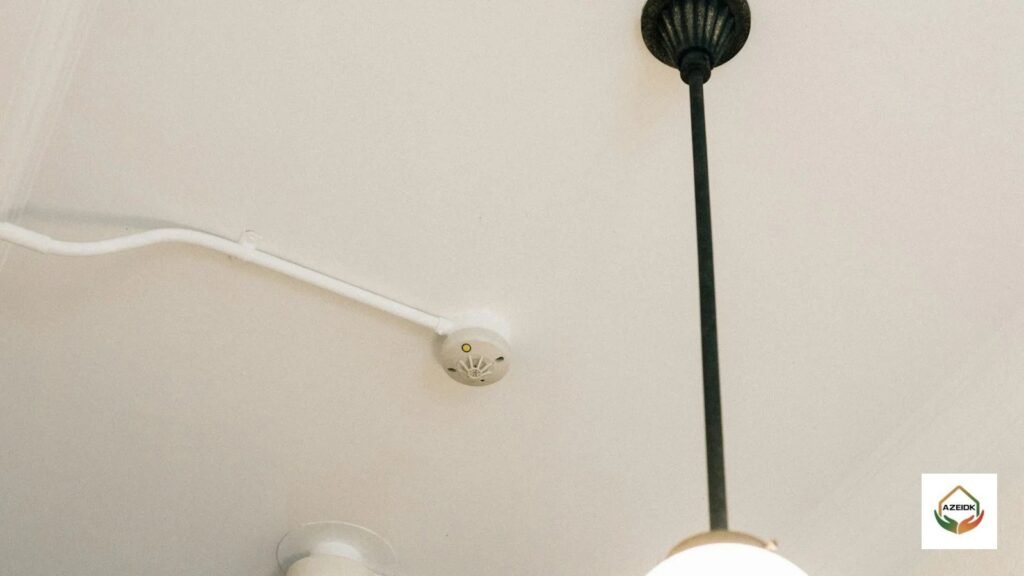
| Fire alarm | NFPA 72 and manufacturer’s instructions | Panel, detectors, notification devices and batteries; test of outputs to interfaced systems |
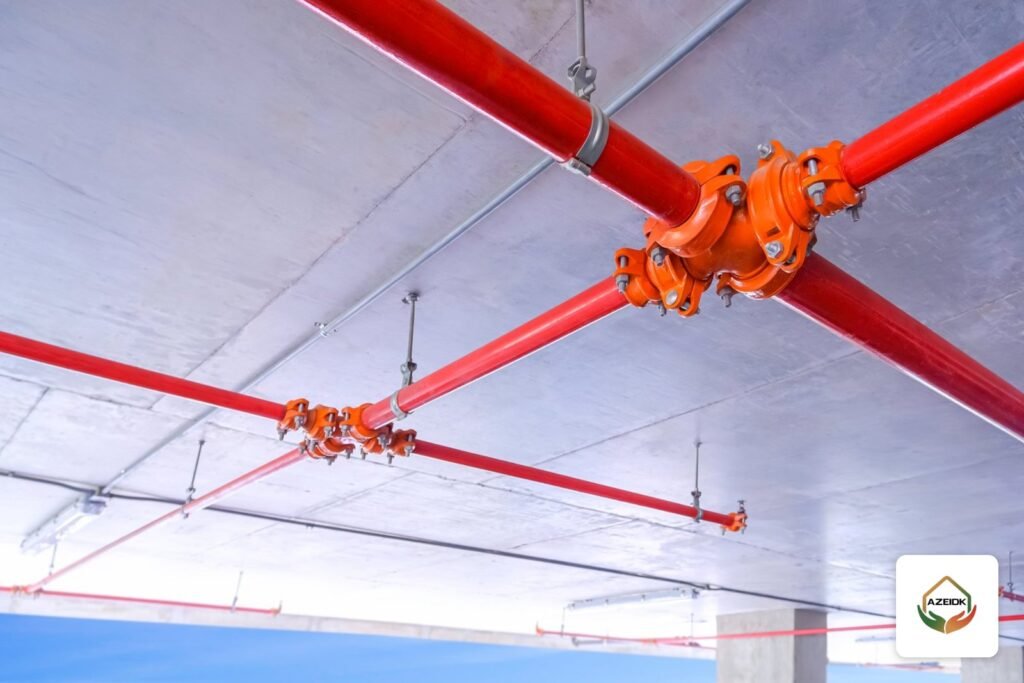
| Sprinklers and piping | NFPA 25 | Valves, flow and supervisory switches, main drain test, sprinklers and pipework |
| Fire pumps | NFPA 25 and manufacturer’s instructions | Periodic no-flow runs, annual flow test, controllers, diesel tank and batteries |
| Foam systems | NFPA 25 for foam-water sprinkler systems, and manufacturer’s instructions | Foam tank, control valves and proportioner; annual foam concentrate sample |
| Hose cabinets and hydrants | NFPA 25 and manufacturer’s instructions | Hoses, valves, couplings and access |
| Fire extinguishers | NFPA 10 and manufacturer’s instructions | Periodic inspection, maintenance and recharge by type |
If the plant has no clear record of system condition, start with a full survey through assessment of existing systems and scope definition, so the routine contract does not inherit unknown old defects.
Shutdown windows: scheduling tests without stopping production
Some tests cannot be done with the system in its normal state. A pump flow test discharges large volumes of water, a main drain test drops system pressure for a while, a full site alarm test stops work in the halls, and some foam tests need the tank isolated or solution discharged. The contract therefore needs an agreed schedule of shutdown windows.
In practice, tests that need a shutdown are grouped on pre-agreed days: the plant’s planned maintenance day, a lighter shift, or the annual shutdown. For each test the contract states who approves it on the plant side, which area is affected, the expected duration, and how staff and monitoring centres are told so a test alarm is not treated as real.
A shutdown window must not become an open-ended delay. If a test cannot go ahead because of production, the reason is recorded, a near replacement date is set, and both appear in the maintenance report.
Testing foam systems in factories
Foam systems are common in plants that store or use flammable liquids, such as solvent stores, filling areas and generator rooms. Their maintenance differs from a standard sprinkler network because of three extra elements: the foam concentrate, the storage tank and the proportioner that sets the concentrate ratio in water.
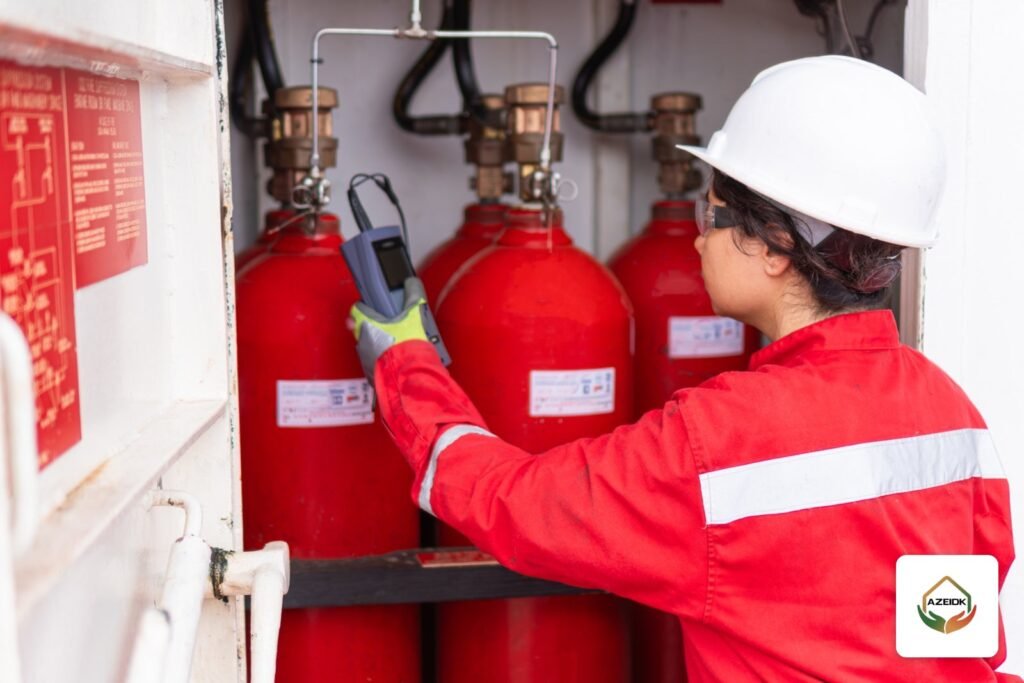
Manufacturers such as ANSUL recommend an annual foam system inspection with sample analysis, and the NFPA 25 frequency table for foam-water sprinkler systems lists an annual foam concentrate test, since concentrate can degrade with time, heat and contamination. The laboratory returns its analysis and an assessment of whether the concentrate is still fit for use. Routine inspection also covers tank condition, concentrate level, control valves and any leaks. For bladder tanks such as the UL-listed WATEX foam bladder tank, the manufacturer’s instructions govern bladder checks and refilling.
A live foam discharge test needs its own plan: where the solution goes, how it is collected, and how the tank is refilled with the same type and concentration. Mixing different foam types or concentrations without the manufacturer’s approval is a common error the contract should prohibit.
Fire pump testing under the contract
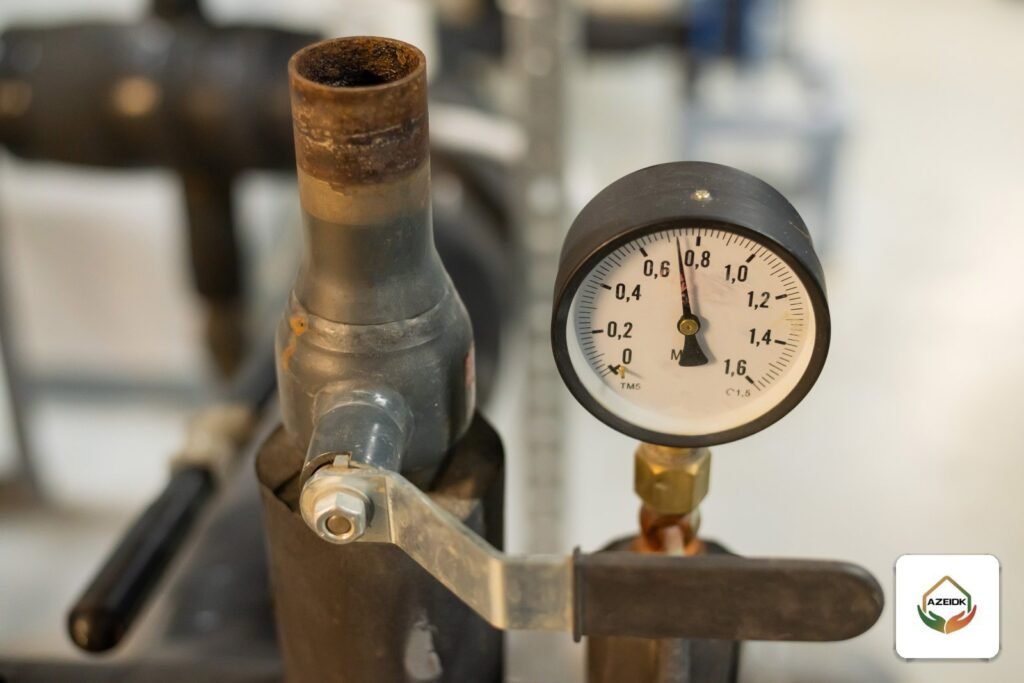
The fire pump is the heart of the plant’s water-based protection, and any weakness only shows during a fire unless it is tested regularly. Under NFPA 25, diesel pumps run weekly without flow for at least 30 minutes and electric pumps monthly for at least 10 minutes, moving to weekly in cases the standard defines, such as vertical turbine pumps. The annual flow test runs at three points, no flow, 100% and 150% of rated capacity, and the results are compared with the certified pump curve.
The annual flow test has the biggest site impact because water is discharged through the test header or a flow meter. A test meter such as the FM-approved GVI fire pump test meters makes testing easier and cuts wasted water where installed as designed. For detailed checks see the electric fire pump maintenance checklist and our NFPA 25 guide to inspection, testing and maintenance.
Alternative protection during impairments
An impairment is any condition where a fire system, or part of it, is out of service, whether planned for maintenance or caused by a fault. NFPA 25 dedicates Chapter 15 to impairments. It requires an impairment coordinator assigned by the owner, an impairment tag on the affected system, and defined steps before and during a planned impairment and after the system returns to service. In the 2020 edition, where a system is out of service for more than 10 hours in a 24-hour period, the coordinator arranges one of the following: evacuation, an approved fire watch, a temporary water supply, or an approved programme to control ignition sources and fuel loads.
In a factory this means:
- Defining the unprotected area exactly and informing production, security and safety leads.
- Reducing or stopping hazardous work in the area during the impairment, such as welding, cutting and filling.
- Assigning a fire watch where needed, and placing extra extinguishers or hoses in the area.
- Notifying the alarm monitoring party and anyone else the facility’s requirements name.
- Completing the repair quickly, then testing the system, removing the tag and recording it.
A good contract states who does what: the contractor reports, repairs and tests; the plant appoints the coordinator and applies the alternative protection. For urgent repairs between scheduled visits, AZEIDK offers corrective maintenance and technical support for fire systems.
Factory fire system maintenance and Civil Defense requirements
Factories in the Kingdom operate under the requirements of the General Directorate of Civil Defense and the Saudi Fire Protection Code SBC 801, and fire systems need to be in sound working order at inspection and when applying for or renewing a safety licence through the Salamah platform. Our Salamah certificate guide explains the steps.
What the plant needs from the contract here is documentation: dated visit reports, pump and alarm test results, a log of faults and repairs, and a record of impairments. These records belong in the fire safety log book, as covered in our article on fire safety log books and inspection records.
Clauses a factory fire systems maintenance contract should include
- A list of covered systems and devices with quantities and locations.
- Inspection and test frequency for each system and its reference standard.
- A shutdown window schedule and the plant’s approval process.
- Impairment and alternative protection procedures and who is responsible for each.
- Emergency response time as agreed, and how to call out the service.
- Which spare parts and materials are included and which are charged separately, such as replacement foam concentrate.
- Report format, content and delivery timing.
- Clear exclusions, such as faults caused by changes the contractor was not told about.
Contract cost has no fixed figure. It depends on the number and size of systems, the number of pumps, whether foam or special suppression is installed, visit frequency, required response time, and whether spare parts are included.
Frequently asked questions
How does a factory fire systems maintenance contract differ from a residential one?
Factories usually have larger pumps, foam systems and hazardous areas, and need shutdown windows coordinated with production and stricter impairment procedures. The scope and test schedule are more detailed as a result.
How often is a factory fire pump tested?
Under NFPA 25, diesel pumps run weekly without flow and electric pumps monthly in most cases, with an annual flow test. Manufacturer instructions and project specifications may add requirements.
Does foam concentrate need testing?
Yes. NFPA 25 lists an annual foam concentrate test, and manufacturers recommend laboratory analysis of a sample. Follow the concentrate manufacturer’s sampling procedure.
What should I do if the sprinklers are out of service in part of the plant?
Tag the system, inform the impairment coordinator and managers, reduce hazardous work in the area, assign a fire watch where needed, then test the system after repair and record it.
Does a fire systems maintenance contract include networks and CCTV?
No. A fire systems maintenance contract covers fire, safety and alarm systems only; low current, CCTV, access control and networks go under a separate maintenance contract.
What drives the cost of a factory maintenance contract?
The number and size of systems, number of pumps, foam or special suppression, visit frequency, response time and whether spare parts are included.
Conclusion
A factory fire systems maintenance contract is not judged by the number of visits alone, but by three questions. Is every system in the plant listed and tested to its reference? Do tests that need a shutdown have agreed dates? Does everyone know what to do when a system is out of service? When the answers are clear in the contract and in the reports, the plant is protected in practice, not just on paper.
Need a maintenance contract for your factory’s fire systems? Send us the list of installed systems and the plant location, and the AZEIDK team will prepare the contract scope and visit schedule. Talk to the AZEIDK team
Related guides
- Low Current Systems for Hotels: Network, PBX, CCTV, PA and Access Control as One Design
- ZKTeco Fingerprint Device Guide: Enrol Staff, Set the Clock, Download Logs
- Civil Defense Salamah Platform: E-Services for Facilities, from Registration and Licence Issue to Renewal, Amendment and Transfer
- SASO Technical Regulation for Fire-Fighting Equipment: Scope, Standards and Supplier Duties