


Collective Housing Safety: 1 February 2027 Deadline for Firms Under 250 Workers as MOMAH Restates Exit and Alarm Rules
- News
- 6 min read
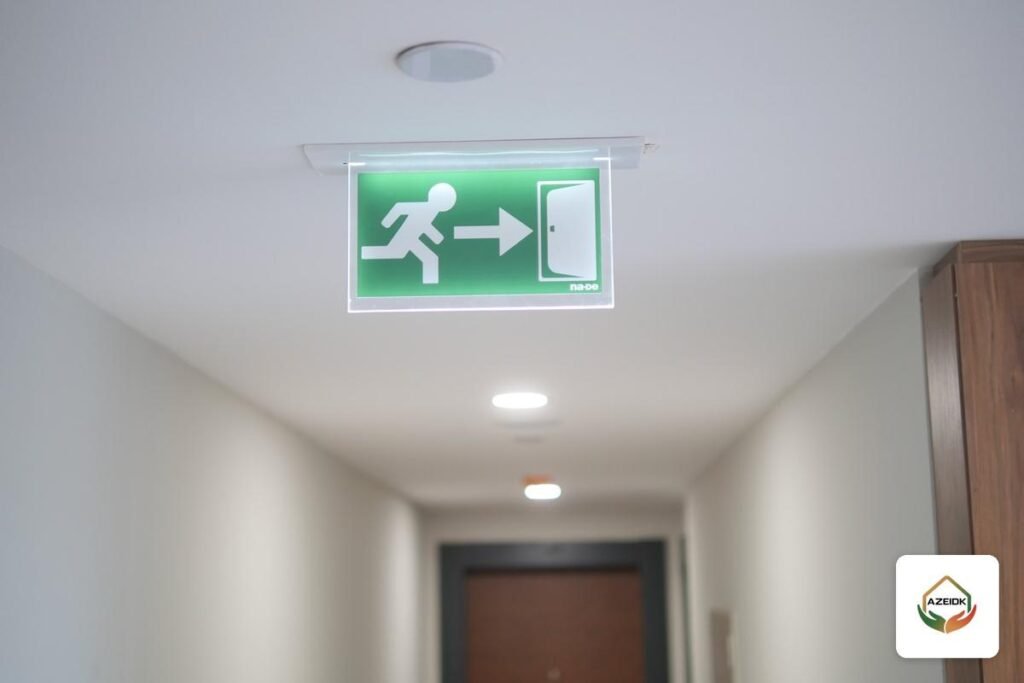
Saudi establishments whose targeted workforce is under 250 workers have until 1 February 2027 to house their workers in licensed collective housing, Al Eqtisadiah reported on 29 October 2026, citing the National Program for Developing Collective Housing for Individuals. Days earlier, on Sunday 18 October 2026, the Ministry of Municipalities and Housing (MOMAH) published a statement on its website calling collective housing safety a priority for protecting lives and urging owners, operators and occupants to keep checking that exits and protective equipment are ready.
The ministry’s statement is an awareness message about existing requirements, with no numbered decision and no fines. The deadline is different: it marks the final phase of mandatory compliance, and with it fire and evacuation requirements become part of the licensing conditions themselves.
Key takeaways
- 1 February 2027: the final phase of mandatory licensed collective housing begins for establishments with a targeted workforce under 250, either by licensing their own housing or contracting licensed units (Al Eqtisadiah, 29 October 2026).
- MOMAH’s 18 October 2026 statement restates approved requirements: illuminated exit signs, clear exits, emergency lighting, doors opening toward the exit, and working alarm and fire protection systems.
- According to Amlak (1 September 2026), under the updated requirements the operating licence depends on prior approval from the General Directorate of Civil Defense and an approved evacuation plan.
- Per the same source: surveillance cameras in all types of housing complexes, illuminated exit signs that work for 90 minutes in a power cut, and fire extinguishers no more than 23 m apart.
What did the ministry say about collective housing safety?
In its 18 October statement MOMAH described collective housing safety as a core pillar of protecting lives and property and said compliance is a shared responsibility of owner, operator and occupant. The framework it describes covers health and technical requirements, fire prevention, and the building’s readiness for emergencies, including evacuation. It listed what every collective dwelling should have:
Exits and escape routes
- Clear, illuminated signs showing the way out.
- Exits and routes free of obstructions, with doors that open easily in the direction of escape.
- No use of corridors or emergency exits for storage.
Systems and operation
- Emergency lighting that works when mains power fails, and alarm and fire protection systems whose performance is verified.
- Keeping within the approved occupancy capacity.
- Approved evacuation plans, guidance diagrams and emergency guides in clear locations, plus periodic drills on evacuation and the correct use of firefighting equipment.
The statement names no city, incident or penalty and does not mention Civil Defense.
What is the February 2027 deadline, and what changed in the requirements?
According to Al Eqtisadiah, the National Program for Developing Collective Housing for Individuals, chaired by MOMAH, urged establishments with a targeted workforce under 250 to correct their worker housing before the final compliance phase on 1 February 2027, describing the remaining time as a corrective window. There are two routes: license their own residential buildings through the approved platforms after meeting the health, technical and safety requirements, or contract with licensed collective housing units.
On the requirements themselves, Amlak reported on 1 September 2026 that the ministry approved an update to the health, technical and safety requirements for collective housing, effective on publication in the Official Gazette, with up to one year for licensed facilities to correct their conditions. Safety points in that report include:
- The operating licence is issued only after prior approval from the General Directorate of Civil Defense.
- Operators must prepare an approved evacuation plan.
- Security surveillance cameras are required in all types of housing complexes.
- Illuminated signs on escape routes and emergency exits must keep working for 90 minutes during a power outage.
- Fire extinguishers must be placed no more than 23 m apart.
These figures come from press coverage; the binding reference is the approved text of the requirements held by the ministry.
What does it mean for the Saudi market?
An establishment that licenses its own housing before February 2027 needs Civil Defense approval before the operating licence, and that approval will not come with a locked exit door, a corridor used as a store, an emergency light with a dead battery or an alarm panel showing standing faults. One that contracts licensed housing should confirm the licence is current and the building still keeps these items in order.
With a short window, inspection and remedial requests are likely to focus on what shows up on a first walk-through: door swing and hardware condition, how long emergency lights and exit signs run with the power off, the state of the alarm panel and devices, and camera coverage. Our article on worker accommodation safety requirements under Balady and Civil Defense rules covers the full picture.
AZEIDK Expert Take
Walk the escape route from the furthest room to outside the building. Does every door open toward the exit without a key from the inside? Does each fire-rated door close by itself? Then cut power to the floor and watch the emergency lights and exit signs long enough to confirm the required run time. Next, check the alarm panel: no standing faults, detectors uncovered, sounders audible inside rooms. Finally, clear any storage from corridors and stairwells.
If doors or hardware need replacing, see our fire-rated doors and emergency exit solutions; if the issue is alarm coverage or repeated faults, start with an assessment of the fire alarm system. Our emergency lighting and exit signs guide helps with luminaire and sign selection, and for the camera requirement see security and surveillance systems. To prepare for Civil Defense approval, see our Civil Defense approval support. The evacuation plan and periodic drills remain the owner’s and operator’s obligation under the approved procedures. For questions about checking exits and existing systems, talk to the AZEIDK team.
Sources
- Ministry of Municipalities and Housing: Collective housing safety is a priority to protect lives, raise readiness and prevent risks (in Arabic), Ministry of Municipalities and Housing, 18 October 2026
- Establishments with fewer than 250 workers required to use licensed collective housing from February (in Arabic), Al Eqtisadiah, 29 October 2026
- Update to Rules Governing Group Housing and a One-Year Grace Period to Rectify the Situation, Amlak, 1 September 2026
Related guides
- NFPA 10 2026 Edition: Performance-Based Inspection and Foam Definition
- Intersec Dubai 2027 Adopts a Five-Domain Structure with a Dedicated Fire and Rescue Domain
- NFPA 72 2025 Edition: Cybersecurity Requirements for Fire Alarm Systems
- Hikvision Launches Hik-Connect 7 with HIKO AI: Plain-Language Search and Smart Alerts, No New Hardware

