Many owners and developers looking for general contracting in Saudi Arabia want one contract that covers the whole building: structure, finishes, power, HVAC, plumbing, fire protection and low current systems. One contract is easier to manage, but the general contractor will not necessarily build every system itself. Fire and low current systems come with design calculations, a Civil Defense approval path, programming and commissioning.
This article covers general contractor scope, three ways to place MEP, fire and low current works in a general contracting package, when you need a specialist, and what to check in classification and SCA membership. AZEIDK delivers this scope through its MEP works linked to life safety systems.
The short answer: the general contractor answers to the owner for delivering the whole project, and can build MEP works with its own team or through a specialist subcontractor. Fire and low current systems are best handled by a specialist who owns the design, calculations, Civil Defense file, programming and commissioning, whether that specialist is contracted to the general contractor or directly to the owner. What matters is that the contract names who owns each system from design to handover.
Key takeaways
- General contracting is a single point of responsibility, not necessarily self-performance of every trade.
- You have three models for fire and low current systems: self-performed by the general contractor, a specialist subcontractor, or a direct contract between owner and specialist.
- You need a specialist when the scope includes a Civil Defense approval file, hydraulic calculations, addressable fire alarm panels that need programming, or integration between low current systems.
- A contractor classification certificate is valid for two Gregorian years, and government entities may not accept a bid from an unclassified contractor on a project subject to classification.
- Saudi Contractors Authority membership is mandatory, and government projects are currently limited to members.
In this article
- General contracting in Saudi Arabia: what does it mean?
- General contractor scope: where do MEP, fire and low current works sit?
- Three models for placing fire and low current systems
- When do you need a specialist contractor for fire and low current systems?
- Contract types in brief
- Contractor classification and SCA membership: what to check
- Where AZEIDK fits in a general contracting project
- Common mistakes in general contracts for fire and low current works
- Frequently asked questions
- Conclusion
General contracting in Saudi Arabia: what does it mean?
The general contractor (GC) is the party that signs with the owner to build the project, or most of it, and carries the programme, quality, site safety and coordination of everyone on site. It self-performs some works, subcontracts others, and stays responsible for all of them unless the contract says otherwise.
In the Saudi market a general contracting company may be a large builder with in-house teams for every trade, or a mid-size firm that relies on subcontractors for MEP. The practical question is who will actually build each system, and who signs its file for the consultant and Civil Defense.
General contractor scope: where do MEP, fire and low current works sit?
Project scope is split into packages. The table shows where specialism is needed and what to ask for each one.
| Package | Typical content | Specialism needed | Ask before award |
|---|---|---|---|
| Civil works and finishes | Structure, masonry, floors, ceilings, facades | Core GC work | Programme, and the openings and plinths the systems need |
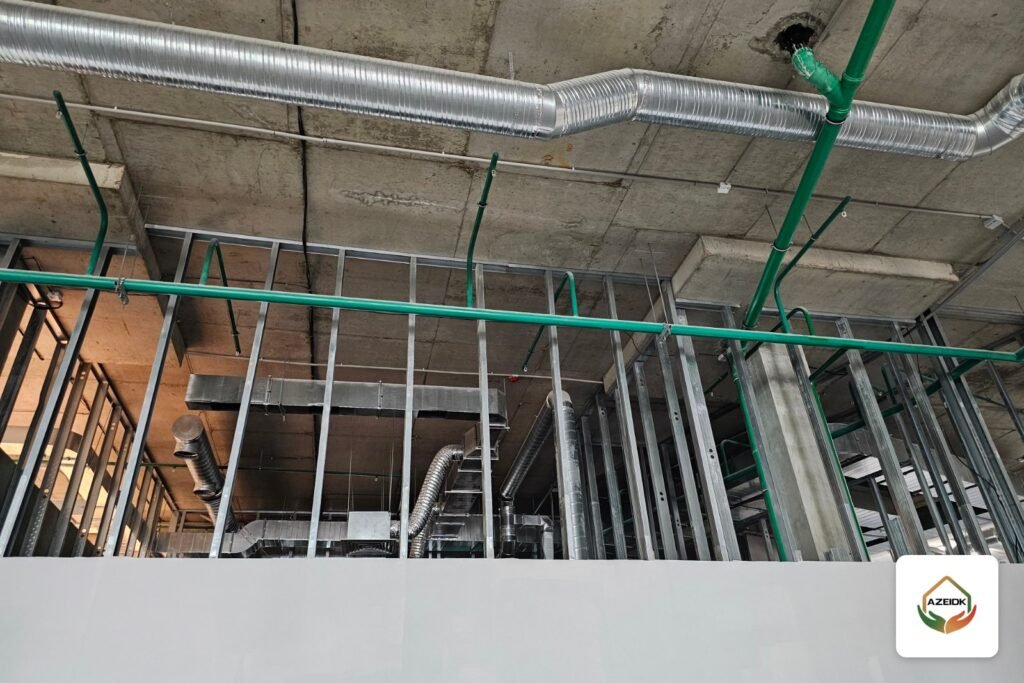
| Power, plumbing and HVAC (MEP) | Panels, wiring, lighting, water supply and drainage, AC units and ductwork | Medium to high, depending on project size | Who prepares the shop drawings and who coordinates them with other systems |
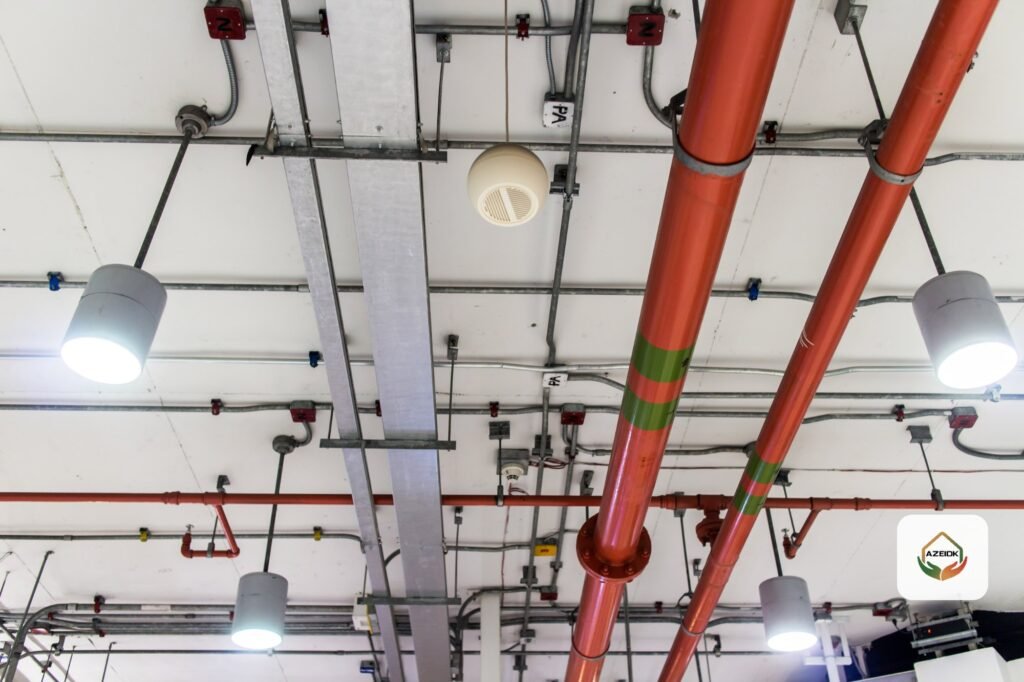
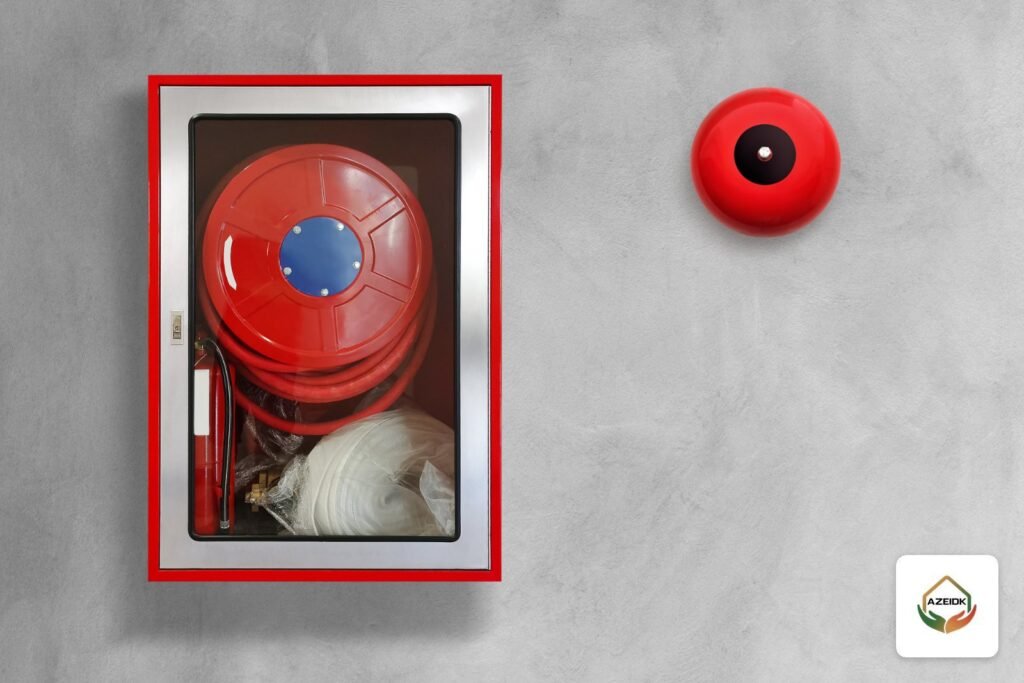
| Fire fighting systems | Sprinklers, fire hose cabinets, fire pumps, valves | High: hydraulic calculations and approval | Who prepares the calculations and Civil Defense file, and who runs the tests |
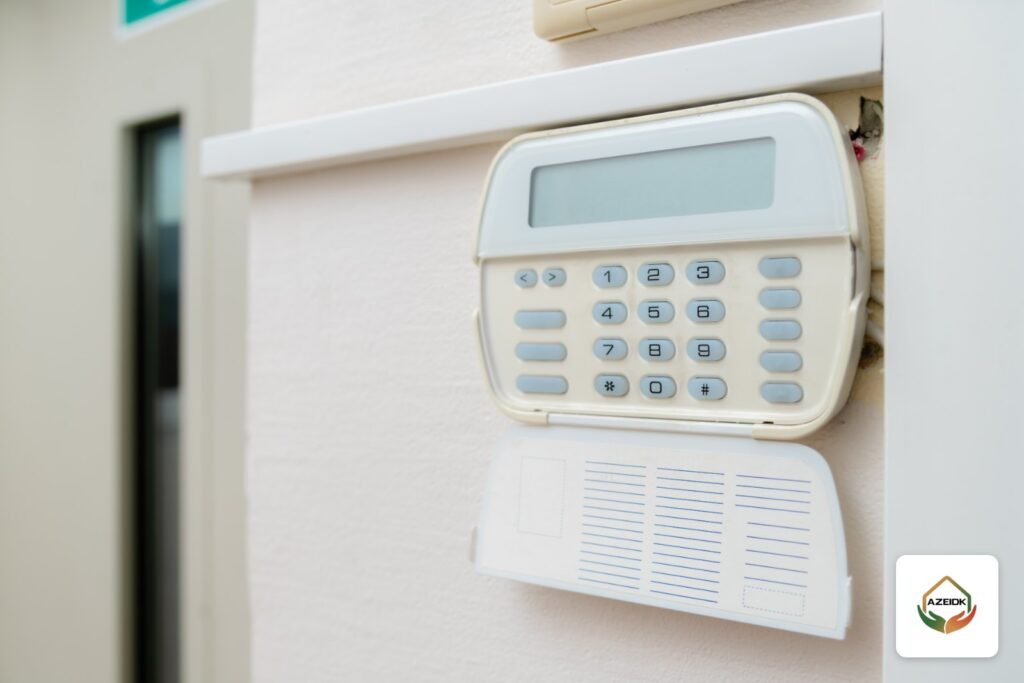
| Fire alarm systems | Conventional or addressable panels, detectors, manual call points, sounders | High: design, programming, commissioning | Who programs the panel, interfaces it with other systems and hands over the cause and effect matrix |
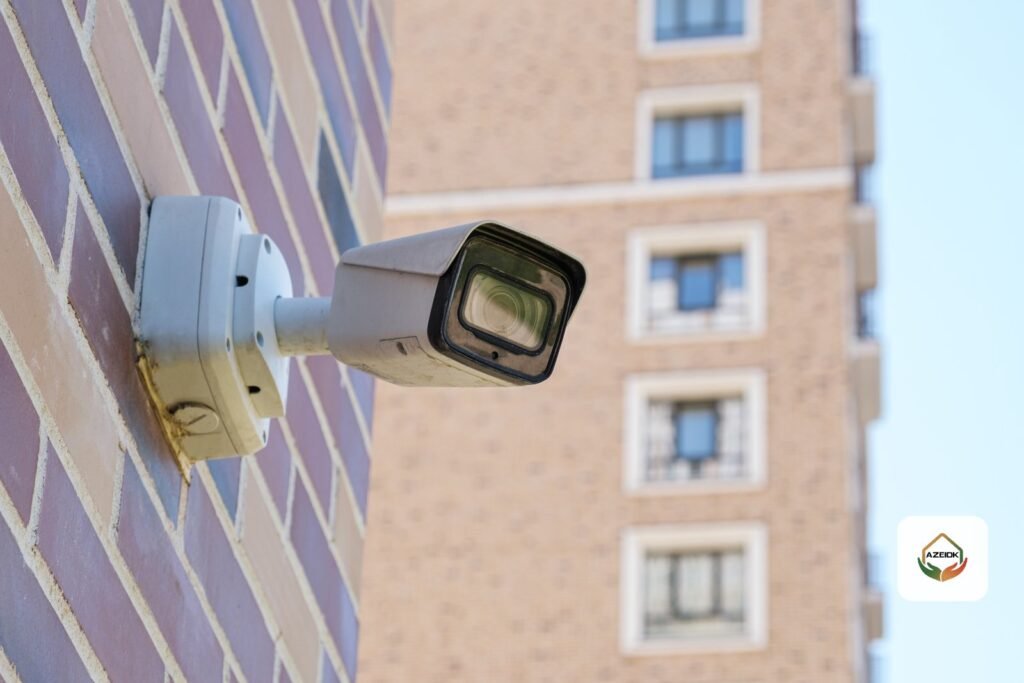
| Low current systems | CCTV, access control, networks, intercom, public address | High: integration and networking | Who designs the network and capacities, and who hands over settings and passwords |
| Special suppression systems | Gas suppression for electrical rooms, kitchen suppression | Very high | Who calculates the agent quantity and tests room integrity |
A good agreement states for each package who designs, supplies, installs, tests and hands over. We covered the interface matrix and single-contract packages in General Contracting and MEP Works in Fire Projects.
Three models for placing fire and low current systems
Many owners overlook how the specialist systems will be placed. Each model has its own logic:
| Model | How it works | When it fits | Watch for |
|---|---|---|---|
| Self-performed by the GC | The GC builds the systems with its own technical team | When the GC has a dedicated fire and low current team with a documented track record | Ask for the responsible engineers and examples of past approval files |
| Specialist subcontractor | The GC contracts a specialist and stays responsible to the owner | Most mid-size commercial and residential projects | Require the specialist to be named and approved up front, and not replaced without your consent |
| Direct owner contract | The owner contracts the specialist; the GC provides coordination and builder’s works | Projects where systems need independent design or long-term maintenance after handover | Write the GC’s coordination and builder’s work duties explicitly into its contract |
The second model is the most common. Its weak point is picking the subcontractor on price after award, so have the GC name its specialist in the bid.
When do you need a specialist contractor for fire and low current systems?
One hose cabinet in a small shop is different from a commercial building with sprinklers, fire pumps and an addressable alarm panel. You need a specialist if one or more of these apply:
- The project needs a design and calculation file submitted to Civil Defense as part of approval and licensing.
- The sprinkler or hose network needs hydraulic calculations and pump selection.
- The alarm panel is addressable and needs programming and interfaces with lifts, smoke extraction fans and access-controlled doors.
- Low current systems share one network and need capacity design and integration between CCTV, access control and intercom.
- There is a special hazard, such as electrical rooms or commercial kitchens, that needs special suppression.
- You want maintenance after handover from the party that built the system.
Then review Civil Defense approval support and the scope of low current systems early, before the general contract is fixed, since scope changes after award cost more.
Contract types in brief
The contract type decides who carries quantity and design risk. In a lump sum contract the contractor carries quantity risk, so it needs complete fire drawings before pricing. In re-measurement the owner pays for executed quantities. In design and build the contractor owns the design, so the fire system designer should be known from day one. We covered these types and their effect on fire works in General Contracting Companies in Riyadh.
Contractor classification and SCA membership: what to check
Contractor classification
The Contractors Classification Law states that government entities and bodies with public legal personality may not accept a bid or award a project subject to classification unless the contractor is classified. Its Executive Regulations set the classification fields, including construction and building, operation, maintenance and services, and communications and information technology.
Provisions of the regulations that matter when an owner checks a contractor:
- A classification certificate is valid for two Gregorian years.
- A reclassification request is submitted within 90 days before the certificate expires, and the certificate can be extended once for 90 days from its end date.
- Project experience is counted by submitting contracts, with completion of at least 50% for execution projects and 30% for maintenance, operation and services projects.
- A contractor can object to a classification decision before the competent committee within 60 days of notification.
Saudi Contractors Authority membership
The Saudi Contractors Authority (SCA) states in its FAQ that membership is mandatory for all contractors under a Council of Ministers resolution, that government projects are currently limited to members, and that the SCA is not the classification body. The difference between membership and classification is explained in Contractor Classification in Saudi Arabia and the Muqawil Platform.
Note that classification in construction and building does not prove experience in fire system design or alarm programming, so check who will build these systems.
Where AZEIDK fits in a general contracting project
AZEIDK works in general contracting from the systems side: MEP works including HVAC, internal power and plumbing, fire fighting pipework, fire alarm, low current and security, with coordination between them on the project. The scope runs from design and shop drawings to supply, installation, testing, Civil Defense file support and maintenance.
AZEIDK holds ISO 9001, ISO 14001 and ISO 45001 certificates covering design, supply, installation and maintenance of fire fighting, fire alarm, CCTV and access control, HVAC and low current systems. AZEIDK also holds the Saudi Local Content certificate.
Common mistakes in general contracts for fire and low current works
- Awarding to a general contractor without knowing who will build the fire and low current systems.
- Writing “complete MEP works” without separating fire fighting, fire alarm and low current into their own items with clear quantities.
- Leaving alarm panel programming and interfaces outside everyone’s scope.
- Not stating who pays for changes required by Civil Defense comments.
- Relying on the classification certificate without checking its validity, field and grade.
- Handing over low current systems without settings, passwords and as-built network drawings.
Frequently asked questions
How long is a contractor classification certificate valid, and how is it renewed?
It is valid for two Gregorian years under the Executive Regulations of the Contractors Classification Law. The contractor applies for reclassification within 90 days before it expires.
Can a classification certificate be extended after it expires?
Yes. It can be extended once for 90 days from its end date at the contractor’s request.
How long does it take to get a classification certificate?
Balady states 16 working days, which may extend to 60 working days under the classification regulations.
Which projects count as experience for classification?
Contracts for completed or ongoing projects, provided completion is at least 50% for execution projects and 30% for maintenance, operation and services projects.
Is Saudi Contractors Authority membership mandatory?
Yes. According to the SCA, membership is mandatory for all contractors under a Council of Ministers resolution, and government projects are currently limited to members.
Is classification required for government fire protection tenders?
Government entities may not accept a bid from an unclassified contractor on a project subject to classification, and the SCA states that government projects are currently limited to its members. Check the tender documents for the field and grade each tender requires.
Does classification cover operation and maintenance?
Yes. Operation, maintenance and services is one of the classification fields in the regulations, alongside construction and building, communications and information technology, and other fields.
Conclusion
Choosing a general contractor is a commercial decision; fire and low current systems are a technical one. Decide the placement model before award, write into the contract who owns each system from design to handover, and verify classification and membership from official sources.
Preparing to tender a general contracting package? Send us the drawings and current scope, and we will help you separate the fire fighting, fire alarm and low current packages and identify what needs a specialist. Talk to the AZEIDK team
Related guides
- Emergency and Exit Lighting Guide for Saudi Arabia: Duration, IP65 and Choosing the Right Emergency Light (KHIND, Alrouf, LIFECO)
- Fire Alarm Cables in Saudi Arabia: Types, Specifications and Selection
- Fire System Maintenance Contract Cost in Saudi Arabia: What Drives the Price (Systems, Area, Visits and Spare Parts)
- Emergency Exits in Buildings: Saudi Building Code SBC 201 Requirements, Exit Signs and Owner Checks