


Prince Mohammed Bin Salman Stadium, Qiddiya: SAR 829m Mechanical Package Including Fire Fighting Awarded
- News
- 5 min read
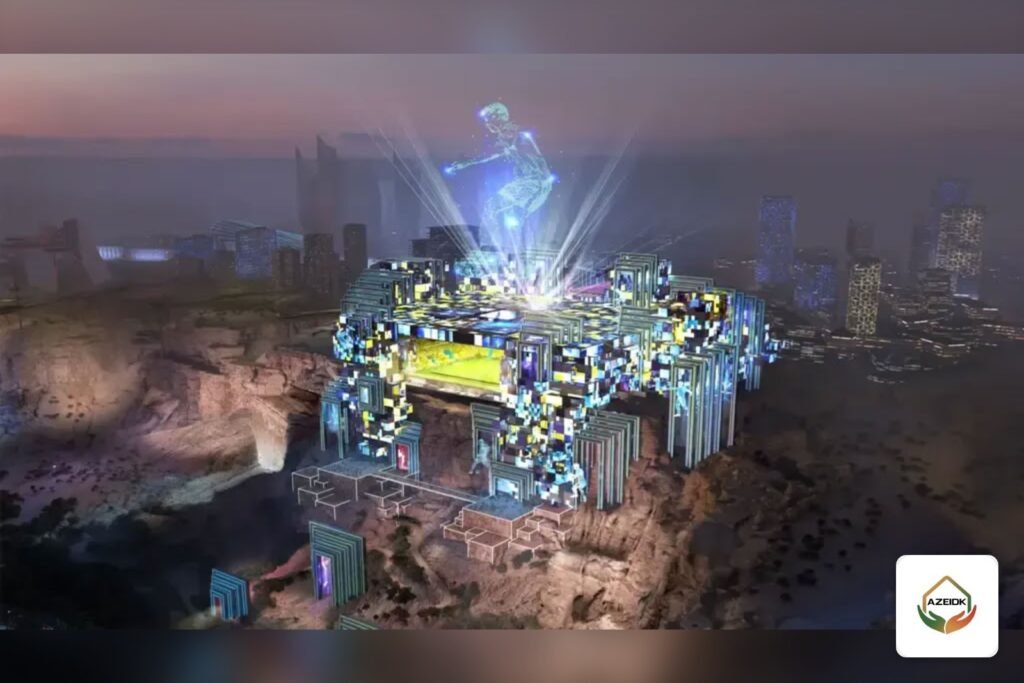
The Qiddiya stadium built for the FIFA World Cup 2034, Prince Mohammed Bin Salman Stadium, now has a contractor for its mechanical package. On 10 September 2026, Elegancia Arabia Trading, part of the contracting and industries segment of Qatar-listed Estithmar Holding, was named winner of the SAR 829 million (about USD 221 million) package covering HVAC, public health, fire fighting and the Building Management System (BMS), TradeArabia reported from Riyadh the same day.
Key Takeaways
- Package value: SAR 829 million (about USD 221 million), to be delivered by Elegancia Electromechanical Services.
- Scope: HVAC, public health, fire fighting and BMS.
- Announced schedule: September 2026 to May 2030, with about 3,000 Elegancia employees across the project stages.
- The venue is a designated FIFA World Cup 2034 stadium on the Tuwaiq cliff in Qiddiya City, about 40 minutes from Riyadh.
- The stadium’s main contractor is the FCC Construction and Nesma & Partners joint venture, awarded in October 2024.
The Qiddiya stadium award in detail
The announcement was carried by TradeArabia, Inside World Football, Construction Week and MEP Middle East. It describes the job as Elegancia’s largest project in Saudi Arabia. The works will be executed by Elegancia Electromechanical Services, the group’s electromechanical arm.
According to Construction Week and Arab News, the stadium’s main contractor is a joint venture of Spain’s FCC Construction and Saudi Arabia’s Nesma & Partners, which Qiddiya Investment Company appointed in October 2024, with US-based Populous on the design. The published reports on the mechanical package do not set out the contractual link between Elegancia and the main contractor.
The building is far from a standard venue. It is fully climate-controlled for year-round use, with a retractable roof, a retractable pitch and a large LED wall. Reported football capacity ranges from about 45,000 to 47,000 seats depending on the source. The project targets around 7.6 million visitors and more than 60 football matches a year, plus other events, with over 50,000 square metres of retail, dining and leisure space.
Why the fire fighting scope matters
Bundling fire fighting with HVAC, public health and BMS places fire fighting under the mechanical package contractor. The sources do not break that scope down, but on a project of this size it typically covers the fire pump room, valves, sprinkler networks and fire hose cabinets. Linking these networks to the BMS and the fire alarm system needs early coordination between trades, because flow switch, supervised valve and pump status signals cross more than one system.
The building also raises design questions: a moving roof, large assembly areas, and retail and food outlets in the same development. Each zone carries a different hazard classification and therefore a different design density, sprinkler type and possibly a different suppression system. Those decisions are settled at design and submittal stage, and the published sources do not detail them, so we do not speculate here.
What it means for the Saudi market
- Specialist contractors: mechanical packages on large projects are usually delivered through specialist subcontractors and suppliers. Getting into that chain takes a clear execution record, ready product approvals and the ability to turn around approval documents quickly.
- Suppliers: a schedule running to May 2030 means phased demand for fire pumps, valves, sprinklers, grooved couplings and pipe. Products without the UL listing or FM approval the specification calls for, or without SABER conformity where it applies, will stall at the consultant.
- Consultants and owners: projects of this size raise documentation expectations: datasheets, listing certificates, test and commissioning records and as-built drawings. Those expectations tend to filter down to smaller projects.
- Civil Defense approvals: any assembly venue at this scale goes through Civil Defense review and the SBC 801 Saudi Fire Code requirements. Early coordination between suppression, alarm and BMS reduces findings at inspection.
AZEIDK Expert Take
If you are a contractor or supplier aiming to work under mechanical packages on stadiums and large venues, start with a ready approval file for each product: the datasheet, the UL or FM listing with the file or model number exactly as it appears in the certifier’s directory, and the SABER conformity certificate for covered products. Check that the pump, valve and sprinkler model you supply matches the approved submittal exactly, since a model mismatch is a common reason for material rejection. Owners and consultants should ask early for a written test and commissioning plan for the fire fighting networks and their BMS interface. Our fire fighting systems page outlines the network components, the guide to checking UL and FM approval of fire pumps covers verification, and our Civil Defense approval support service helps when preparing project files.
Sources
- Qiddiya awards $221m mechanical package for FIFA World Cup 2034 stadium, TradeArabia, 10 September 2026
- Qiddiya City’s flagship 2034 giga stadium project awards $221m mechanical package to Elegancia, Inside World Football, 11 September 2026
- Qiddiya awards $221m MEP contract for Prince Mohammed Bin Salman Stadium, Construction Week, 10 September 2026
- $221m MEP contract awarded for Qiddiya’s FIFA World Cup stadium in Saudi Arabia, MEP Middle East, 14 September 2026
- Qiddiya awards $1bn contract for Prince Mohammed bin Salman Stadium to Saudi-Spanish consortium, Arab News, 3 October 2024
Related guides
- Saudi Commercial Data Center Requirements: Civil Defense Approval and SBC Compliance Now Licensing Conditions
- Amended Regulation on Saudi Building Code Inspection Bodies Takes Effect
- Civil Defense Insurance: Third-Party Cover Now Required for High-Risk Licences (Aug 2026)
- Access Control and Security Gates Without Blocking Egress

