


Recalled Central Sprinkler Heads: New CPSC and Tyco Warning and Why Older Buildings Should Check
- News
- 5 min read
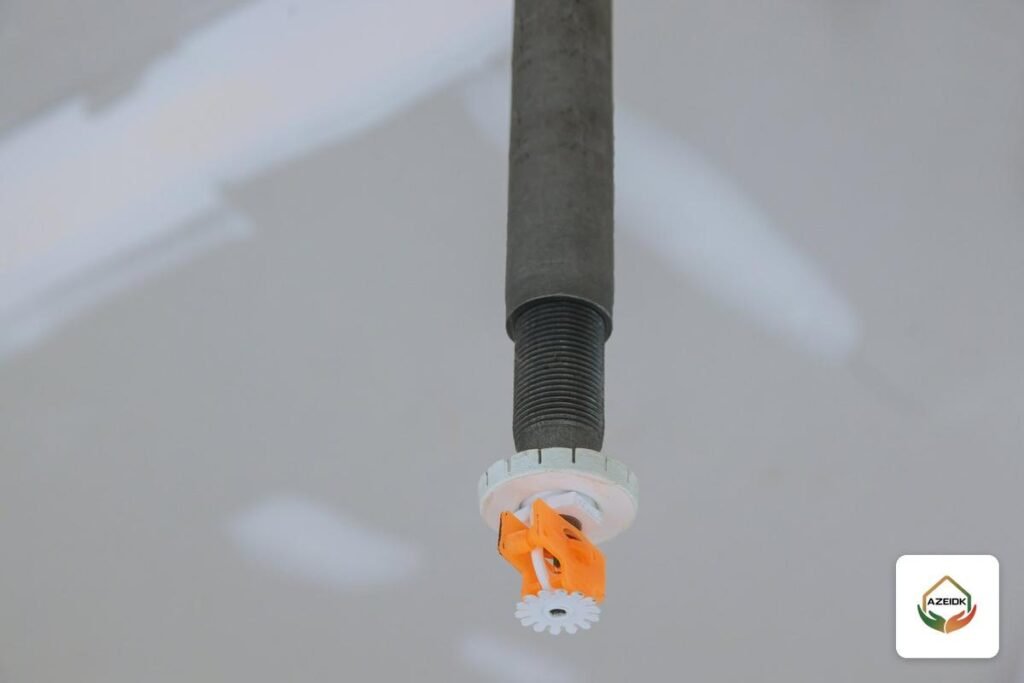
On 24 September 2026 the US Consumer Product Safety Commission (CPSC) and Tyco Fire Products LP issued joint release 26-800, urging immediate action on recalled fire sprinklers sold under the Central Sprinkler name that can fail to operate in a fire. The heads were made between the mid-1970s and June 2001 and were recalled more than twenty years ago, yet the release says many may still be installed in US buildings.
Key takeaways
- CPSC and Tyco Fire Products issued release 26-800 on 24 September 2026, covering previously recalled Central Sprinkler heads.
- The defect, per the release: minerals, salts and other contaminants in the water can degrade the rubber O-ring seals, so the sprinkler may not activate in a fire.
- The recall was announced in July 2001, modified in May 2003 and closed on 31 August 2007 after millions of heads were replaced.
- Owners are asked to inspect sprinklers now, have a qualified fire protection professional replace any recalled head, and review past maintenance records.
- The notice is US-focused and names no buildings or markets outside the United States.
What did the CPSC and Tyco release say about the recalled fire sprinklers?
The release covers Central Sprinkler heads that may still be installed in homes, residential facilities and commercial buildings across the United States. Its photos show two types: a wet sprinkler, installed on water-filled piping, and a dry sprinkler, used where piping is exposed to very cold temperatures. It does not list model numbers or the number of units still in service.
The problem is the rubber O-ring inside the head. According to the CPSC, minerals, salts and other contaminants in the water can degrade these seals over time, and the sprinkler may then fail to operate during a fire. The release does not discuss whether the fault can be seen, but as a matter of general practice the O-ring is an internal part, so a visual check alone is not expected to reveal it.
Why re-announce a recall that closed in 2007?
The original recall was announced in July 2001, modified in May 2003 and closed on 31 August 2007, after millions of heads had been replaced. Even so, CPSC and Tyco say many recalled units may still be in service, despite a multi-year remediation effort and NFPA standards that require annual, 5-year and 20-year inspections.
The release refers to a fire on 13 July 2025 at an assisted living facility in Fall River, Massachusetts, which killed ten residents and injured dozens more. The CPSC states that the facility had not replaced dozens of recalled heads, although they had been identified during an earlier fire safety inspection.
What action does the release ask for?
- Inspect every sprinkler in the building now to find out whether any are recalled.
- Have a qualified fire protection professional replace every recalled head.
- Review past maintenance records to confirm that heads found earlier were actually removed.
- Alert building managers, schools, hospitals, nursing homes and anyone responsible for older buildings or vulnerable occupants.
Tyco’s notice page carries an identification guide for the affected heads, a replacement heads guide and a dedicated email address for questions.
What does this mean for the Saudi market?
This is a US notice. It does not say these sprinklers were sold or installed in the Kingdom, and there is no published information that they exist in Saudi buildings, so Saudi buildings should not be assumed to be affected. It is still relevant to the owner of any older building with a sprinkler system installed before mid-2001 using imported heads of uncertain origin, especially where the heads have never been replaced or the original project documents are lost.
The wider lesson, as general professional practice, applies to every building: a sprinkler that looks fine may not work. That is why NFPA 25 sets a periodic programme for inspecting sprinklers, sample testing and replacement where needed. We cover replacement triggers and sample testing in When to replace fire sprinklers, and the full programme in Inspection, testing and maintenance of fire protection systems in Saudi Arabia.
Sprinklers made after June 2001 fall outside the notice’s date range. Tyco is one of the brands whose current products AZEIDK lists on its Tyco brand page; those products are not related to the old heads covered by the recall.
AZEIDK Expert Take
The following is general professional practice, not part of the release. If your building is older and you do not know the age or origin of its sprinkler heads, make checking them a named item in your next NFPA 25 inspection. Ask the technician to record the brand and year of manufacture marked on each head type, compare them with the identification guide on Tyco’s notice page, and go back through earlier maintenance records for any heads that were flagged but never replaced. If recalled heads are confirmed, replacement should be done by a qualified fire protection contractor using listed heads that match the original design characteristics (K-factor, temperature rating and response type), with every replaced head documented. An existing systems assessment and scope of work definition helps you count the old heads and define the replacement scope before pricing, and our fire fighting systems page is a starting point when planning an upgrade.
Sources
- CPSC and Tyco Fire Products LP Urge Immediate Action on Recalled Fire Sprinklers that Can Fail in a Fire (Release 26-800), US Consumer Product Safety Commission, 24 September 2026
- Central Sprinkler O-Ring Notice, Tyco Fire Products, notice page linked to the 24 September 2026 release

