


Civil Defense Insurance: Third-Party Cover Now Required for High-Risk Licences (Aug 2026)
- News
- 5 min read
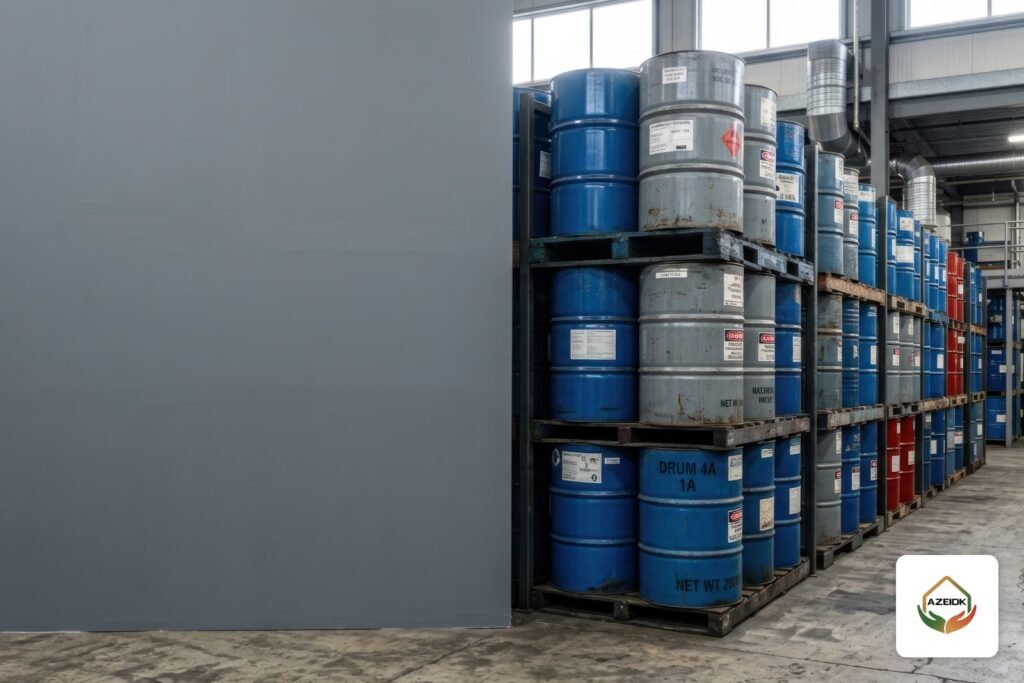
On 16 August 2026 the Insurance Authority, together with the General Directorate of Civil Defense, launched a mandatory third-party cooperative insurance policy for crowded places and high-risk activities. Many owners simply call it Civil Defense insurance. The policy is based on Council of Ministers Resolution No. (103) and is now a key requirement for a Civil Defense licence in the activities it covers. A day later, on 17 August 2026, Civil Defense named the first-phase activities that must hold the insurance before a licence is issued or renewed, as reported by Okaz.
In short: if your facility stores chemicals or tyres, runs a general multi-goods warehouse, or manufactures paint or industrial detergents, your Civil Defense licence application or renewal will not go through without a third-party policy from a licensed insurer. Other activities will follow in later phases.
Key takeaways
- The policy is mandatory under Council of Ministers Resolution No. (103), announced by the Insurance Authority and Civil Defense on 16 August 2026.
- It covers the establishment’s civil liability for bodily injury and property damage suffered by visitors and patrons in accidents on covered premises.
- Phase one covers eight high-risk storage and manufacturing activities, where the insurance is required before a licence is issued or renewed.
- The rollout is phased and includes economic, commercial, entertainment, healthcare and other activities.
- Policies must come from licensed insurers, and compensation varies with the type of activity and its risk level.
What does Civil Defense insurance cover?
According to the Insurance Authority, the policy covers an establishment’s civil liability for bodily and property damage that visitors and patrons suffer from accidents at covered sites, subject to the policy terms and exclusions. Compensation depends on the nature of the activity and its risk level. The Authority’s announcement did not publish coverage limits or amounts.
The key point is that this is liability cover toward third parties, meaning the people on your site. It does not replace property or stock insurance, and it does not replace the fire protection systems Civil Defense already requires for a licence.
The Authority tied the policy directly to the Civil Defense licence, describing it as a key requirement for licensing activities subject to mandatory insurance. Its CEO, Eng. Naji Al-Faisal Al-Tamimi, said the policy supports business continuity and helps establishments manage risk and recover from incidents. Owners are urged to buy the policy from licensed insurers and review its details on the Authority’s website.
Phase one activities
Civil Defense announced that third-party cooperative insurance is now a condition for issuing and renewing licences in phase one for:
- Chemical storage.
- Used oil storage.
- Hazardous medical waste storage.
- Wholesale trade in all types of wood.
- General warehouses storing mixed goods.
- Tyre storage warehouses.
- Paint manufacturing.
- Industrial detergent manufacturing.
Civil Defense said the aim is to raise public safety, strengthen regulatory compliance and reduce the financial burden of accidents on individuals and companies. The sources we reviewed give no dates for the later phases.
What does this mean for the Saudi market?
For these activities, a licence file now has two parts that go together: a site that is technically ready (fire alarm, firefighting, extinguishers, exits and maintenance records) and a valid policy from a licensed insurer. Missing either one stops the application. Warehouses feel this most, because general multi-goods and tyre warehouses are common across Saudi industrial and logistics zones.
Owners with a renewal date coming up should add the insurance step to their schedule rather than wait for a comment at submission. Contractors and consultants who prepare licence files for clients will be asked about it, so it belongs on the document checklist from day one.
Because compensation is linked to the activity and its risk level, the activity description should match on the licence and the policy. A mismatch between the two documents can cause delays.
AZEIDK Expert Take
Insurance does not replace technical readiness, and an incident that never happens needs no claim. For phase one activities we suggest three steps before renewal: check the fire alarm, firefighting and extinguisher installations against the licence requirements; make sure the fire safety log book and maintenance records are complete and current; then request the policy from a licensed insurer with an activity description that matches the licence. Our article on the Salamah licence for warehouses covers the technical checks for warehouses, and Salamah licence renewal explains the role of the maintenance contract. If you need the technical file prepared or inspection comments closed before submission, the AZEIDK Civil Defense approval support team can review the systems and documents with you. The policy itself is issued by an insurer; AZEIDK is not an insurance provider.
Sources
- Third-Party Cooperative Insurance Policy for Crowded Places and High-Risk Activities, Insurance Authority, 16 August 2026
- Civil Defense: third-party cooperative insurance required to issue and renew licences (in Arabic), Okaz, 17 August 2026
- Saudi Arabia launches mandatory insurance for crowded venues, high-risk activities, Ajel, 16 August 2026
- Civil Defense mandates cooperative insurance for high-risk business licenses, Ajel, 17 August 2026
Related guides
- EU PFAS Foam Restrictions: The 23 October 2026 Stage and What It Means for Saudi Facilities
- NFPA 101 and NFPA 5000 2027 Editions: Key Life Safety and Egress Changes
- Ras Al-Khair and Jazan Zone Regulations Tie Fire Safety to the Saudi Building Code
- Amended Regulation on Saudi Building Code Inspection Bodies Takes Effect

