


AZEIDK Holds the Saudi Local Content Certificate: What It Means for Government Tenders and Fire and Security Supply
- News
- 5 min read
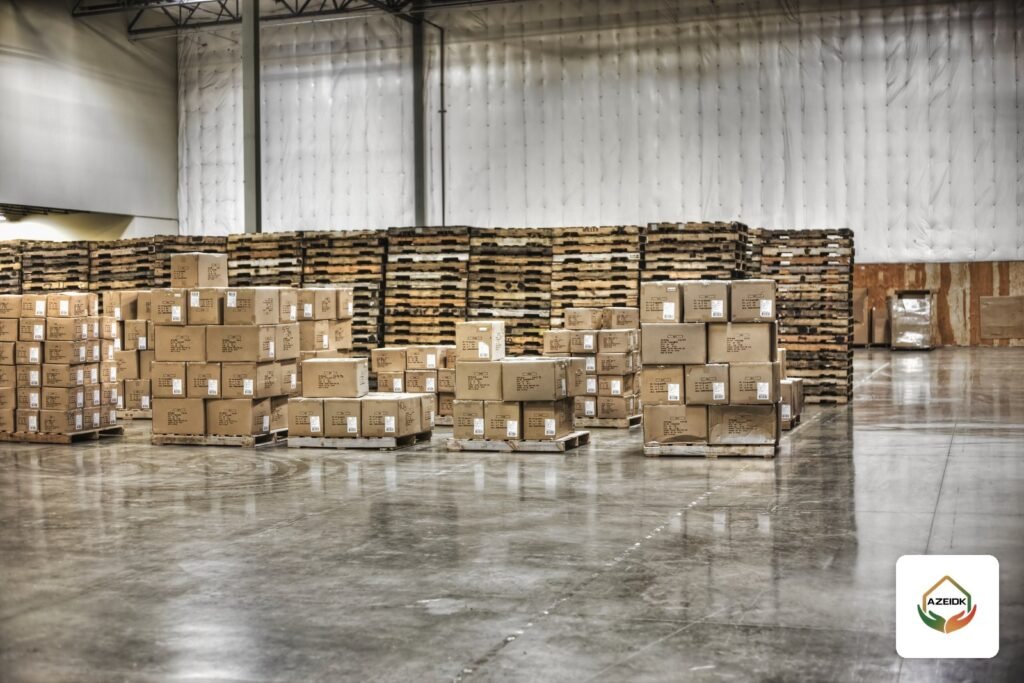
AZEIDK holds the Saudi Local Content certificate, the certificate the Local Content and Government Procurement Authority (LCGPA) issues to private-sector companies. The news matters to owners, contractors and consultants who put together supply files for fire fighting, fire alarm and security equipment on government and semi-government tenders. Below we explain what the certificate shows, what it does not show, and where it sits in a supply file. For an overview of the company and its scope in Saudi Arabia, see About AZEIDK.
Key Points
- AZEIDK holds the Local Content certificate in the Kingdom of Saudi Arabia.
- The certificate is issued by the Local Content and Government Procurement Authority to private-sector companies, and the Authority qualifies the audit firms that verify local content percentages.
- It is a company-level certificate. It does not replace a SABER certificate of conformity or a UL or FM listing for a product.
- What a supplier must submit on any tender is set by the published tender documents, under the Local Content Preference Regulations.
What Is the Local Content Certificate AZEIDK Holds?
The Local Content Preference Regulations define local content as a company’s total spending inside the Kingdom on national elements such as products, services, assets, technology and labor. The certificate states the approved local content percentage of a specific company.
The LCGPA statute, published in the Umm Al-Qura official gazette, lists among the Authority’s functions issuing certificates of approved local content percentages to private-sector companies and qualifying the audit firms that verify those percentages. In other words, the percentages behind these certificates are subject to audit by firms the Authority qualifies.
Our guide to the Saudi local content certificate and fire and security equipment supply covers the full framework and its link to the Government Tenders and Procurement Law. This item sticks to what the news means in practice.
Why the Certificate Matters on Government Tenders and Fire Equipment Supply
The Local Content Preference Regulations, issued by Council of Ministers Resolution No. 245, work through several mechanisms: the mandatory list of national products, a price preference for national products, and a local content baseline and target percentage on tenders the competent authorities designate. Council of Ministers Resolution No. 199, published in Umm Al-Qura on 4 September 2026 approving the new Government Tenders and Procurement Law, keeps these regulations in force.
Where a tender scores the baseline or target percentage, the regulations require the baseline in the technical bid and the target percentage on the designated form in the local content portal, and the tender documents set which documents prove it. In February 2026 the Authority announced, according to the Saudi Press Agency, a minimum local content percentage in the certificate as a condition for benefiting from the mandatory list for specified products, applied in phases. Our article on the local content mandatory list explains how to check any line in a bill of quantities.
The certificate does not answer every question in a supply file. It covers the company and its activity, not a particular fire pump or alarm panel. Product conformity with a technical regulation is shown by the product and shipment certificates on the SABER platform, a model’s listing is shown in the UL or FM directory, and consultant approval goes through the submittal and datasheet.
What It Means for the Saudi Market
For an owner or main contractor buying fire, alarm and security equipment from AZEIDK, it means the supplier has a local content certificate that can be attached when the tender documents or the main contractor ask for it. Its effect on any given bid still depends on that tender’s conditions and on the origin of each line item.
On government and semi-government projects, a supply file usually has to answer three separate questions. Does the supplying company hold a local content certificate? Is the item on the mandatory list? Is the product itself compliant and listed? This news answers the first question only; the other two are checked item by item.
AZEIDK Expert Take
Before pricing a government tender, read the local content section of the conditions booklet first. Does it ask for a valid certificate, a baseline and target percentage, or compliance with the mandatory list for specific items? Then check each line of the bill of quantities against the published list rather than relying on broad headings such as “pumps” or “valves”. Ask every supplier for three separate documents: the company’s local content certificate, the SABER certificate of conformity for regulated products, and the datasheet with proof of listing for the model offered. For items AZEIDK supplies, you can request these documents through its technical supply service, or you can contact the team with your bill of quantities.
Sources
- Statute of the Local Content and Government Procurement Authority, Umm Al-Qura, 1442 AH
- Approval of the Government Tenders and Procurement Law, Council of Ministers Resolution No. 199, Umm Al-Qura, 4 September 2026
- Regulations on Preference for Local Content and Local SMEs and Companies Listed on the Capital Market, Ministry of Finance
- LCGPA Requires Minimum Local Content Percentages to Benefit from Mandatory List of National Products, Saudi Press Agency, 17 February 2026
Related guides
- NFPA 72 2025 Edition: Cybersecurity Requirements for Fire Alarm Systems
- Saudi Build 2026 in Riyadh: Fire Protection, Security and Access Control on the Show Floor
- Fire at Unlicensed Riyadh Upholstery Site: What a Civil Defense Licence Means
- Counterfeit Fire Sprinklers with Unauthorized UL Marks: UL Solutions Warning on Model TY9226 and What It Means for Saudi Projects

