NFPA fire protection standards appear in most technical specifications for fire protection projects in Egypt, from sprinkler networks and fire pumps to fire alarm and gas suppression systems. Using them in design is one thing; knowing their legal position is another. This article explains what NFPA is, how its editions are issued and the scope of the eight references engineers use most, separating what Egyptian law requires from what is a technical reference.
The aim: designers, consultants and facility managers should know which standard covers each part of the system, which edition to specify, and where the Egyptian code and Civil Protection take over.
Key takeaways
- NFPA is a US non-profit whose codes and standards are widely used technical references in fire system design.
- NFPA standards are revised periodically, usually every three to five years, so the specification must state the edition.
- In Egypt, the binding references are Building Law No. 119 of 2008 and its regulations, the Egyptian fire protection code, and drawing approval by the General Directorate of Civil Protection.
- NFPA applies when the specification, consultant or owner calls for it, not as a general legal obligation.
- Each part of the system has its own standard: sprinklers NFPA 13, pumps NFPA 20, fire alarm NFPA 72, extinguishers NFPA 10, and maintenance NFPA 25.
In this article
- What is NFPA, and why do engineers use it?
- How new NFPA editions are issued
- Key NFPA fire protection standards and their scope
- NFPA and the Egyptian code: which one governs the project?
- How to use NFPA standards on a project in Egypt
- Common mistakes when referencing NFPA
- Frequently asked questions
- Conclusion
What is NFPA, and why do engineers use it?
The National Fire Protection Association (NFPA) is a US non-profit founded in 1896, and one of the leading developers of technical documents on fire, electrical and life safety. Its documents are prepared by technical committees of manufacturers, users, insurers, enforcement authorities and experts, and go through public review before issue.
They are used far beyond the US because they are detailed, tied to equipment testing and listing, and relied on by many manufacturers, insurers and international consultants. Hence their presence in specifications for industrial, commercial and hotel projects in Egypt and the region.
Code and standard: the difference in terms
A “code” is a broad document written so a government can adopt it into law, such as NFPA 72, the “National Fire Alarm and Signaling Code”. A “standard” usually covers a specific system in design, installation or maintenance detail, such as NFPA 13 for sprinklers. In Egypt the naming changes nothing legally: both remain technical references unless a binding text or contract refers to them.
How new NFPA editions are issued
Each document goes through a public revision cycle in four stages:
- Input stage: anyone can propose changes; the technical committee considers them and prepares the first draft.
- Comment stage: the first draft is published for comment, then the committee prepares the second draft.
- NFPA technical meeting: certified motions on the second draft are debated and voted on.
- Appeals and issue: the Standards Council hears any appeals and then issues the new edition.
A cycle takes about two years, and documents are usually revised every three to five years. Many core standards follow a three-year rhythm, such as NFPA 13, NFPA 20 and NFPA 72, all last issued in 2025. Not all do: the current NFPA 14 dates from 2024.
Between editions, Tentative Interim Amendments (TIAs) or errata may be issued and become part of that edition. The specification should state the standard number and edition year, and the designer should check for amendments.
Key NFPA fire protection standards and their scope
The table lists the most used standards with the latest edition as of October 2026. Always check the edition in your project specification; the consultant may have adopted an earlier one.
| Standard | Subject | Latest edition |
|---|---|---|
| NFPA 13 | Design and installation of automatic sprinkler systems | 2025 |
| NFPA 14 | Installation of standpipe and hose systems | 2024 |
| NFPA 20 | Installation of stationary pumps for fire protection | 2025 |
| NFPA 25 | Inspection, testing and maintenance of water-based fire protection systems | 2026 |
| NFPA 72 | National Fire Alarm and Signaling Code | 2025 |
| NFPA 10 | Portable fire extinguishers | 2026 |
| NFPA 17A | Wet chemical extinguishing systems | 2024 |
| NFPA 2001 | Clean agent fire extinguishing systems | 2025 |
NFPA 13: sprinkler systems
The core reference for hazard classification, system type (wet, dry, pre-action, deluge), sprinkler layout, hydraulic calculations and water supply. It ties directly into water-based fire fighting networks.
NFPA 14: standpipes and hoses
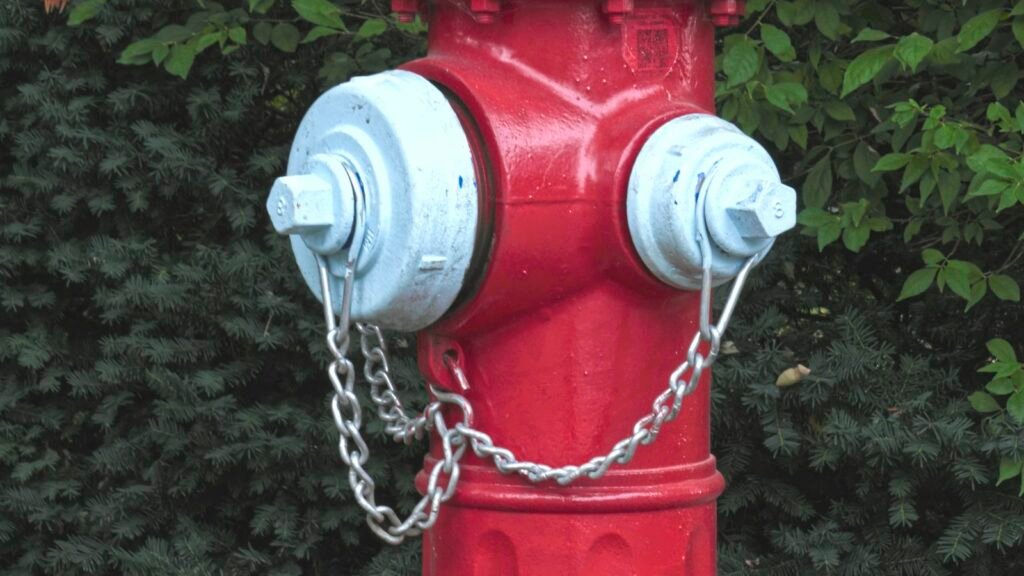
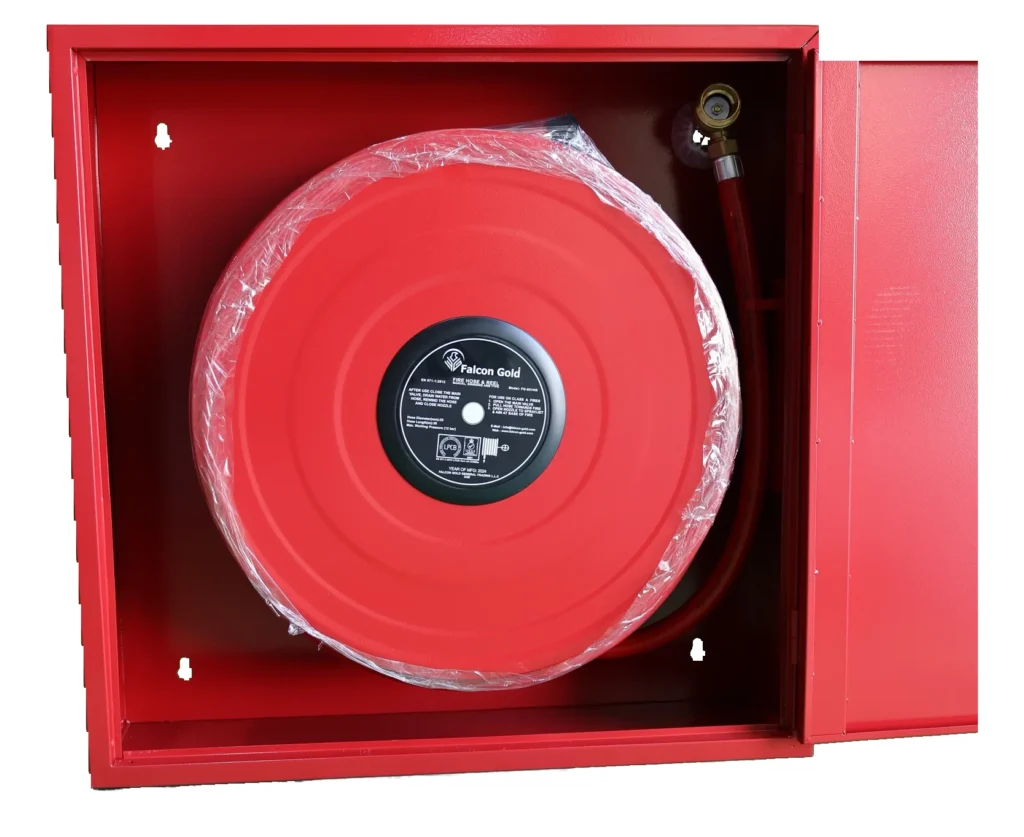
Sets the minimum requirements for installing standpipes and hose outlets, their classes, and the required pressures and flows. It does not cover periodic inspection and maintenance; that belongs to NFPA 25.
NFPA 20: fire pumps
Covers stationary fire pumps, electric and diesel drivers, controllers, jockey pumps, pump rooms and acceptance testing. For practical selection, see our fire pump solutions and our article on selecting fire pumps.
NFPA 25: inspection, testing and maintenance
Sets inspection, testing and maintenance requirements for sprinklers, standpipes, fire pumps, water tanks, water spray and foam-water systems, with frequency tables. It defines what must be done after handover to keep the system working.
NFPA 72: fire alarm and signaling
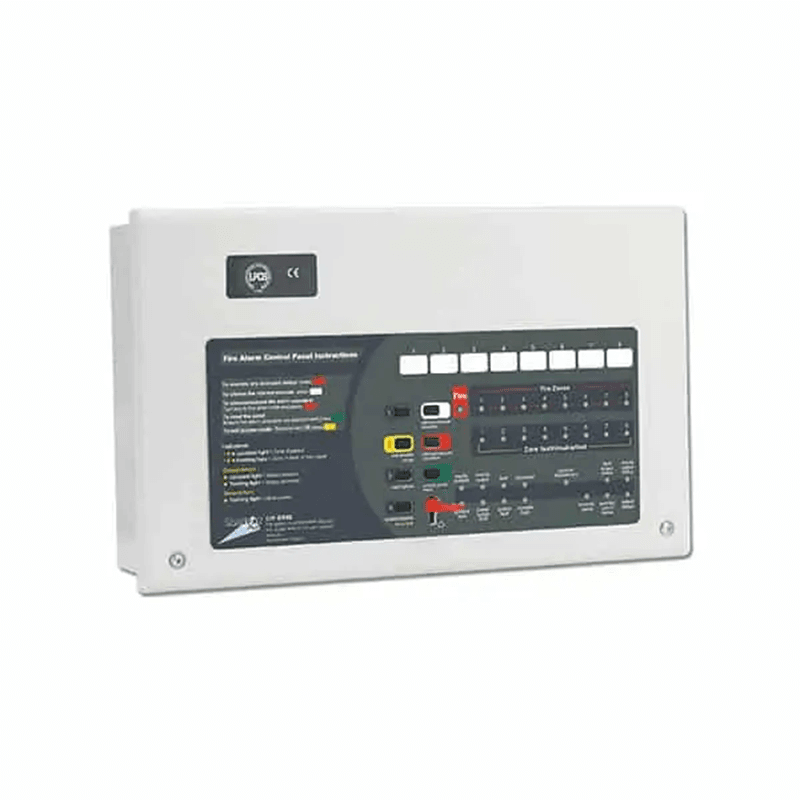
Covers fire alarm application, installation, detector location and performance, plus inspection, testing, maintenance and emergency communications. Designers of fire alarm systems use it when the specification calls for US standards rather than EN 54.
NFPA 10: portable extinguishers
Covers selection, distribution and travel distances, plus inspection, maintenance, hydrostatic testing and recharging. The 2026 edition added electronic monitoring as an alternative to manual inspection, with the approval of the authority having jurisdiction, as well as performance-based inspection programmes.
NFPA 17A: wet chemical extinguishing
Sets the minimum requirements for pre-engineered wet chemical systems. Their best-known use is protecting hoods and cooking equipment in commercial kitchens. See our article on commercial kitchen fire suppression systems.
NFPA 2001: clean agents
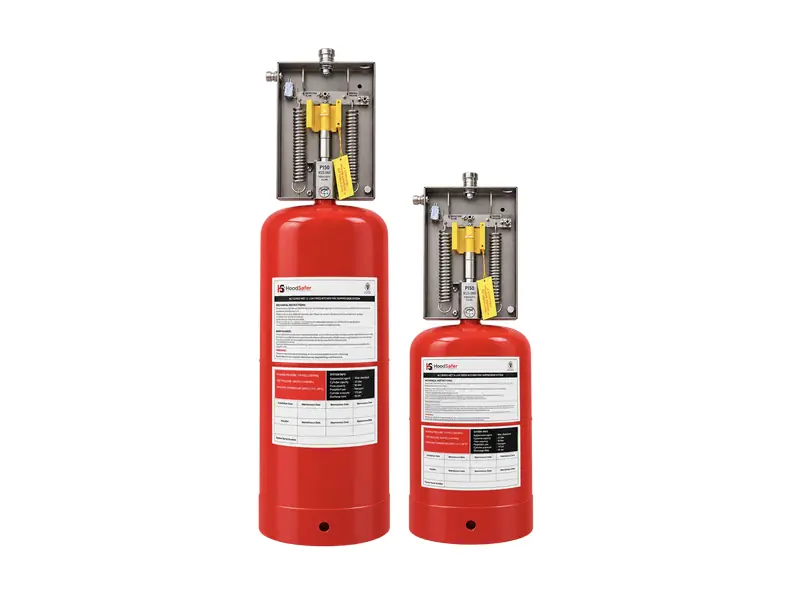
Covers total flooding and local application clean agent systems, addressing purchaser, designer, installer, tester and operator. Typical uses are server rooms, electrical panels and archives, within our special fire suppression systems.
NFPA and the Egyptian code: which one governs the project?
This is the most confused point in the market, so we split it into four levels.
1. Legal obligation in Egypt
Article 49 of Building Law No. 119 of 2008 and its executive regulations (Minister of Housing Decree No. 144 of 2009) requires the permit applicant to apply fire protection requirements in line with the Egyptian code and the regulations. The Egyptian Code for the Design and Implementation of Fire Protection for Buildings — 2026 edition was issued by Ministerial Decree No. 355 of 2026, published in the Official Gazette on 19 May 2026, and prepared by the Housing and Building National Research Center (HBRC). The General Directorate of Civil Protection (Ministry of Interior), through its governorate departments, reviews and approves fire protection drawings and systems and inspects buildings before occupancy.
2. Technical references in design
NFPA, and European standards such as EN 12845 for sprinklers and EN 54 for fire alarm, serve as design references when the specification, consultant, owner or insurer calls for them. Once in the specification, they bind the contractor and supplier contractually, without replacing Egyptian legal requirements.
3. Manufacturer’s instructions
Each device’s datasheet and installation manual set its limits of use, installation and maintenance, and must be consistent with the chosen standard. Where the manufacturer’s instructions conflict with the listing conditions, refer to the consultant.
4. Good practice
For example, using one reference per system within the project, recording the adopted edition in the design report, and keeping test and handover records. For Egyptian requirements in detail, see our article on fire protection requirements in Egypt.
How to use NFPA standards on a project in Egypt
- Start with the Egyptian code and Civil Protection requirements to set the systems the building needs for its occupancy type.
- State the technical reference and edition year for each system in the specification. Avoid a generic phrase like “as per NFPA”.
- Ask suppliers for the datasheet and approval certificates for each model, and check that the approval covers that model and the intended application. Our certifications and standards page shows how we present the approvals of the brands we supply.
- Tie handover to a written inspection and maintenance plan, whether based on NFPA 25 and NFPA 72 or on the manufacturer’s instructions and European standards.
- If a technical clause in NFPA conflicts with a requirement of the Egyptian code, the reference at approval stage is the Egyptian code and the decision of the competent authority.
Common mistakes when referencing NFPA
- Not stating the edition: requirements change between editions, and quoting the number alone invites disputes at handover.
- Mixing references within one system: designing sprinklers to NFPA 13 and then sizing the pump to another reference without coordination can produce an inconsistent system.
- Treating NFPA as a substitute for local approval: a design that complies with NFPA still needs Civil Protection approval.
- Confusing compliance with listing: “complies with NFPA 20” is not the same as equipment listed by a certification body, a topic we cover in our article on UL and FM certifications.
- Ignoring maintenance standards: many projects are carefully designed and then left without an inspection programme, even though NFPA 25, NFPA 72 and NFPA 10 dedicate whole chapters to it.
Frequently asked questions
Are NFPA standards legally binding in Egypt?
They are not a general legal obligation. The obligation comes from the Building Law and its regulations, the Egyptian code and Civil Protection approval. NFPA applies when the project specification or the contract calls for it.
How often is a new edition of an NFPA standard issued?
Documents are usually revised every three to five years. Many fire protection standards have been issued at three-year intervals, but the current edition of each standard should be checked individually.
Which edition should I use on my project?
The edition set by the project specification or agreed by the consultant. If none is stated, it is best to agree on a written edition before design starts.
Can NFPA standards be read for free?
NFPA offers free read-only access to many of its documents on its website after registration. Full printable copies must be purchased.
Which standard covers maintenance of sprinklers and pumps?
NFPA 25 is the reference for inspection, testing and maintenance of water-based systems, including sprinklers, standpipes, fire pumps and tanks.
Conclusion
NFPA fire protection standards are detailed tools for design, installation and maintenance. In Egypt they deliver their value when the specification names them clearly with the edition year, and when they are applied within the legal framework set by the Egyptian code and approved by Civil Protection. A correct understanding of each standard’s scope reduces disputes between designer, contractor and supplier, and makes system handover and maintenance clearer.
Does your project specification call for NFPA standards? Send us the specification, and we will check the datasheets and approvals against it with you before supply. Talk to the AZEIDK Egypt team