Coverguard Professional Safety Shoes
Coverguard professional safety footwear designed to support foot protection and workplace comfort across construction, industrial, workshop, warehouse and logistics applications, with protection options varying by model.
العلامة التجارية
تفاصيل المنتج
نظرة عامة على المنتج
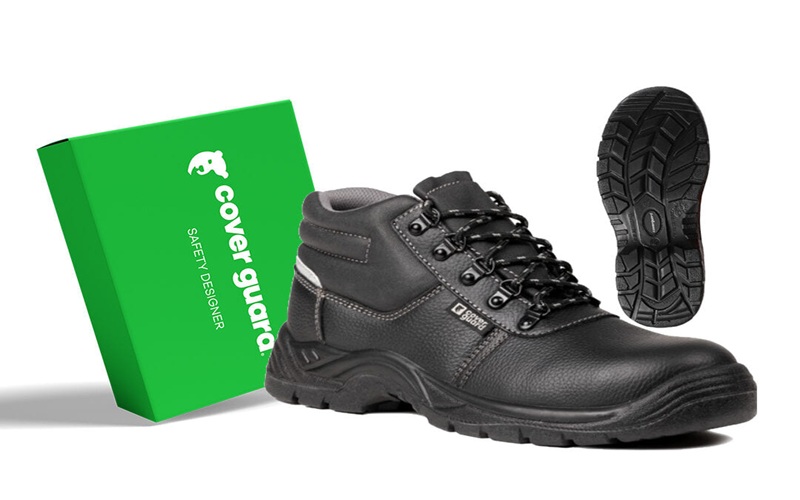
Coverguard professional safety shoes are personal protective equipment designed to help protect workers’ feet across industrial, construction, logistics and general professional environments.
Coverguard offers different safety-footwear designs intended to balance protection, comfort and mobility during daily work. Protection levels, materials and performance features vary according to the selected model and intended work environment.
This page presents Coverguard safety footwear as a general product category and is not associated with one specific model or safety classification.
Primary Function:
• Help protect workers’ feet during professional activities.
• Reduce injury risk from impact or falling objects according to the selected protection level.
• Improve stability while moving through work areas.
• Support worker comfort during extended periods of use.
• Provide footwear suited to the work environment and daily tasks.
• Help reduce slipping risks according to the selected outsole and model.
Applications:
• Construction sites.
• Factories.
• Workshops.
• Warehouses.
• Maintenance operations.
• Logistics facilities.
• Distribution centers.
• Loading and unloading areas.
• Industrial facilities.
• Technical-service operations.
• Electrical and mechanical work with the appropriate selected footwear.
• Indoor and outdoor work depending on the model.
Available Designs:
Safety footwear is generally available in several designs, including:
• Low-cut shoes for mobility.
• High-cut shoes for increased ankle coverage.
• Lightweight safety sneakers for active work.
• Industrial safety shoes.
• Footwear for warehouses and logistics.
• Models for indoor environments.
• Outdoor footwear according to the selected construction.
Possible Protective Features:
Depending on the model, safety footwear may include:
• Protective toe cap.
• Anti-penetration midsole.
• Slip-resistant outsole.
• Heel-energy absorption.
• Resistance to oils or fuel.
• Antistatic properties.
• Water resistance.
• Additional ankle support.
The availability of each feature depends on the selected model and classification and must be verified from the product data sheet before procurement.
Protective Toe Cap:
Depending on the model, toe protection may be manufactured from:
• Steel.
• Composite material.
• Aluminum.
Each option differs in weight, application and required protection level.
Anti-Penetration Protection:
Selected safety-shoe models may include an anti-penetration layer manufactured from:
• Steel.
• Composite textile materials.
The required protection must be selected according to floor hazards and the worksite risk assessment.
Workplace Comfort:
Professional safety shoes must provide comfort as well as protection, particularly for work involving long periods of standing or walking.
Depending on the model, comfort features may include:
• Comfortable internal lining.
• Breathable materials.
• Removable footbed.
• Heel shock absorption.
• Weight suited to the application.
• Flexible design for mobility.
• Secure fastening system.
Breathability:
Some footwear models use mesh materials or breathable linings to improve comfort in indoor and dry environments.
Wet or outdoor work requires footwear manufactured with materials and finishes suitable for those conditions.
Selecting the Correct Footwear:
Safety shoes should be selected according to:
• Worksite hazards.
• Risk of falling objects.
• Presence of nails or sharp objects.
• Floor conditions and slipping risk.
• Indoor or outdoor use.
• Exposure to water, oil or fuel.
• Required ankle support.
• Daily wearing duration.
• Temperature and ventilation.
• Correct foot size and fit.
• Project and safety requirements.
Sizing and Fit:
Correct sizing is essential for both protection and comfort.
Check that:
• The toes have suitable space.
• The heel remains secure.
• The shoe does not create painful pressure points.
• The shoe fits with the work socks normally used.
• The user walks in the footwear before extended use.
• The fit allows movement without being loose enough to reduce stability.
General Product Benefits:
• Designed for professional use.
• Helps protect workers’ feet.
• Suitable for multiple industries.
• Low-cut and high-cut options.
• Impact and penetration protection options.
• Designs suitable for daily movement.
• Indoor and outdoor options.
• Models for industrial and logistics work.
• Multiple materials and protection levels.
• Selection based on actual workplace risks.
Correct Use:
• Select footwear matching the site hazards.
• Confirm the correct size.
• Fasten the footwear correctly.
• Wear suitable work socks.
• Do not modify or remove protective components.
• Do not use the footwear against hazards for which it was not designed.
• Replace the footwear when damaged.
• Keep it clean and dry as far as practical.
Inspection Before Use:
Inspect the footwear regularly for:
• Damage to the upper.
• Sole separation.
• Cracks or holes.
• Damage to the protective toe.
• Damaged laces or fastening system.
• Excessive outsole wear.
• Internal-lining damage.
• Damage following a significant impact.
Cleaning and Care:
• Remove dust and dirt after use.
• Clean the surface using a method suitable for its material.
• Allow the footwear to dry naturally in a ventilated area.
• Do not place it directly against strong heat sources.
• Avoid chemicals that may damage the materials.
• Clean the outsole and remove trapped objects.
• Store the footwear in a dry location.
• Follow model-specific care instructions when available.
Replacement:
Replace the footwear when:
• The protective toe has sustained a significant impact.
• Cracks or cuts affect protection.
• The outsole separates from the upper.
• Excessive tread wear reduces grip.
• The anti-penetration layer is damaged.
• The footwear no longer provides suitable comfort or stability.
• The manufacturer’s stated service life has ended, where applicable.
Required Procurement Information:
• Work environment.
• Hazards requiring protection.
• Low-cut or high-cut design.
• Required sizes.
• Quantity per size.
• Required protection level.
• Toe-cap material, where specified.
• Anti-penetration requirement.
• Water-, oil- or fuel-resistance requirements.
• Required color.
• Total quantity.
• Project certification requirements.
Important Note:
This page presents Coverguard safety footwear as a general category and does not refer to a specific model.
Features such as toe-cap material, anti-penetration protection, slip resistance, water resistance and certification vary by model.
Select the correct model after reviewing the worksite risks and the technical data sheet for the required footwear.
الوثائق الفنية
كتالوج المنتج
اطّلع على البيانات والمعلومات الفنية الكاملة للمنتج من خلال الكتالوج الرسمي.
Related Products
Explore More Products in the Same Category


Category Products
Safety equipment
Explore more products available in this category.